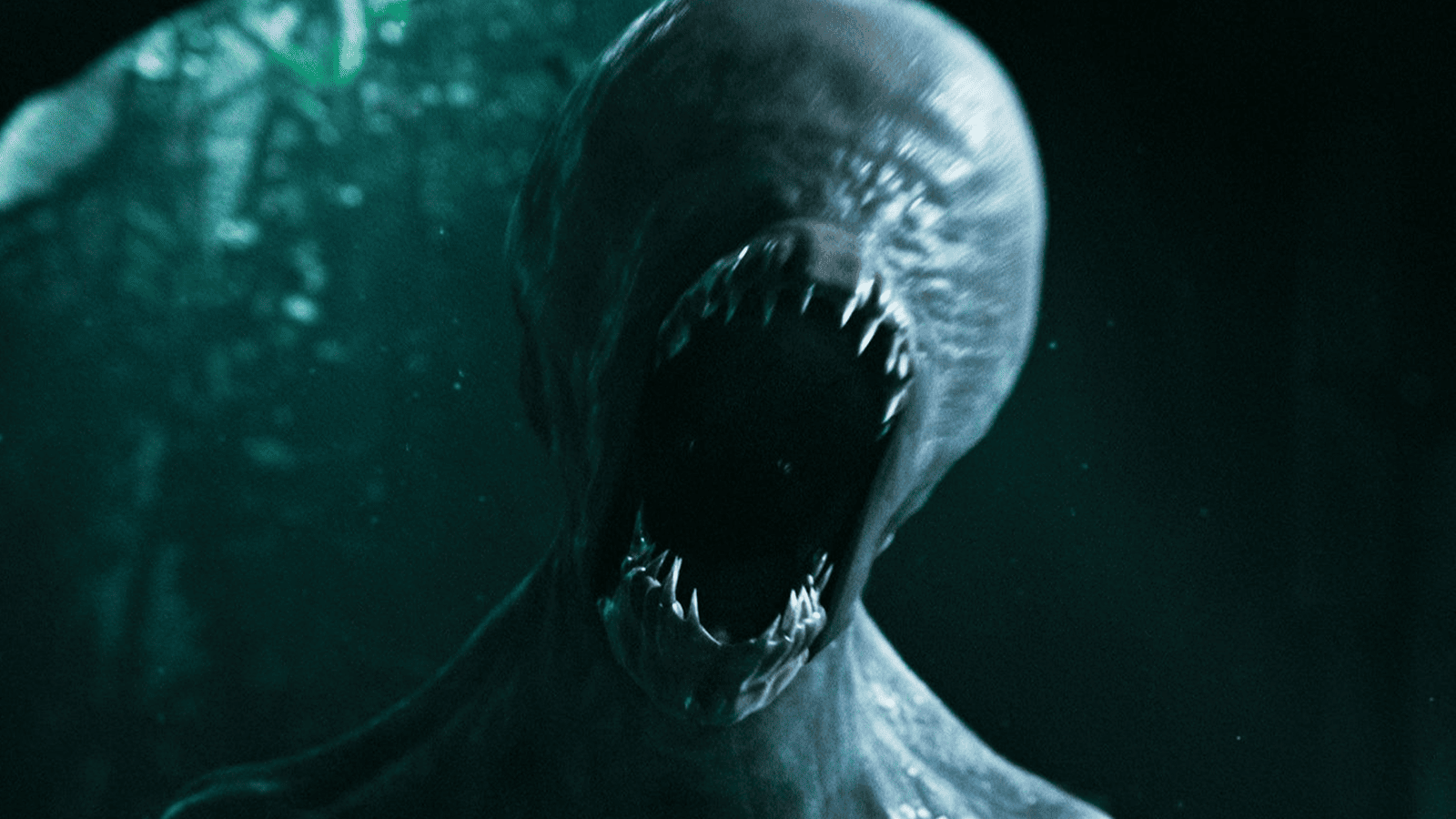
What better way to spend a weekend than diving into the terrifying, claustrophobic world of the Alien franchise? With all nine films now streaming on HBO Max, it's the perfect opportunity to experience one of cinema's most enduring sci-fi horror sagas from start to finish. The series has always understood that space should feel terrifying—not adventurous, not hopeful, but deeply unsettling.
Across nearly five decades, the franchise has built a universe filled with corporate greed, synthetic paranoia, biomechanical horror, and characters making catastrophically bad decisions the moment they encounter something beyond their comprehension. That atmosphere is exactly why the series works so well as a weekend binge. Watching all nine films together—including the divisive Alien vs. Predator crossovers—highlights how flexible the franchise became without ever losing its core identity.

The Original Films Remain Untouchable
Alien and Aliens remain one of the strongest back-to-back combinations in sci-fi history. Ridley Scott's original is a haunted house story trapped inside a rust-covered freight ship drifting through deep space, while James Cameron's sequel turns into a full panic spiral built around military escalation and collapsing control. Watching them close together makes the franchise's range immediately obvious. The original thrives on silence, dread, and slow-building inevitability, while Aliens pushes in the exact opposite direction without weakening the tension. The xenomorph becomes more aggressive, the scale larger, and the violence louder—but the fear still comes from how fragile humanity looks against something designed purely to survive and spread.
Even the later sequels become more compelling during a marathon because they are willing to get stranger and meaner than most modern studio franchises. Alien 3 strips the series down into something bleak and fatalistic, while Alien Resurrection fully embraces grotesque sci-fi weirdness. Neither is as universally beloved as the first two, but both benefit from the franchise's willingness to let different filmmakers push the mythology into uncomfortable territory rather than endlessly recreating the same film.
The Prequels and Crossovers Are More Fun Than You Remember
One of the best parts of binging the entire franchise is realizing how much easier it becomes to appreciate the weirder entries once they are viewed as pieces of a much larger mythology. Prometheus and Alien: Covenant lean harder into existential horror than straightforward creature terror, focusing on creation, artificial life, and humanity's obsession with reaching beyond limits it doesn't fully understand. Michael Fassbender's performance as David ends up becoming one of the franchise's strongest connective threads.
Then there are the Alien vs. Predator movies, which become pretty entertaining once you stop taking them too seriously. Alien vs. Predator understands the basic assignment of smashing together two iconic monster franchises and letting the spectacle carry the fun. Aliens vs. Predator: Requiem leans fully into chaotic creature horror in ways that feel messy but undeniably memorable. Neither reaches the highs of the core films, but they fit naturally into a franchise built around hostile creatures, bad corporate choices, and escalating biological disasters.
Why the Franchise Still Feels Unique
Part of what keeps Alien so bingeable is that no other sci-fi franchise really feels like it—including even the latest film, Alien: Romulus. The series has such a specific visual and thematic identity that even weaker installments remain compelling to look at. H.R. Giger's biomechanical designs still feel invasive and deeply upsetting decades later, and the franchise's industrial environments continue to influence horror games, sci-fi films, and television. The xenomorph remains one of the greatest movie monsters ever created because the horror surrounding it never feels shallow, and the continued use of practical effects delivers an unsettling tangibility. Every stage of the xenomorph's life cycle is built around bodily violation, infection, and loss of control, giving the franchise a physical discomfort many creature features never achieve.
That atmosphere is ultimately what makes the Alien series such a satisfying weekend binge. These movies are connected not just through lore or recurring creatures, but through tone, texture, and a shared understanding that humanity keeps walking directly into nightmares it was never prepared to survive. By the end of the marathon, the franchise leaves behind one of sci-fi horror's harshest truths: in the Alien universe, humanity's greatest threat has never been space itself, but the belief that any nightmare can be controlled once it becomes profitable.
If you're looking for more binge-worthy content, check out our list of near-perfect Rotten Tomatoes movies to watch this weekend or explore why Obi-Wan Kenobi is the ultimate weekend binge. For something completely different, these forgotten 2000s sitcoms have only gotten better with time.