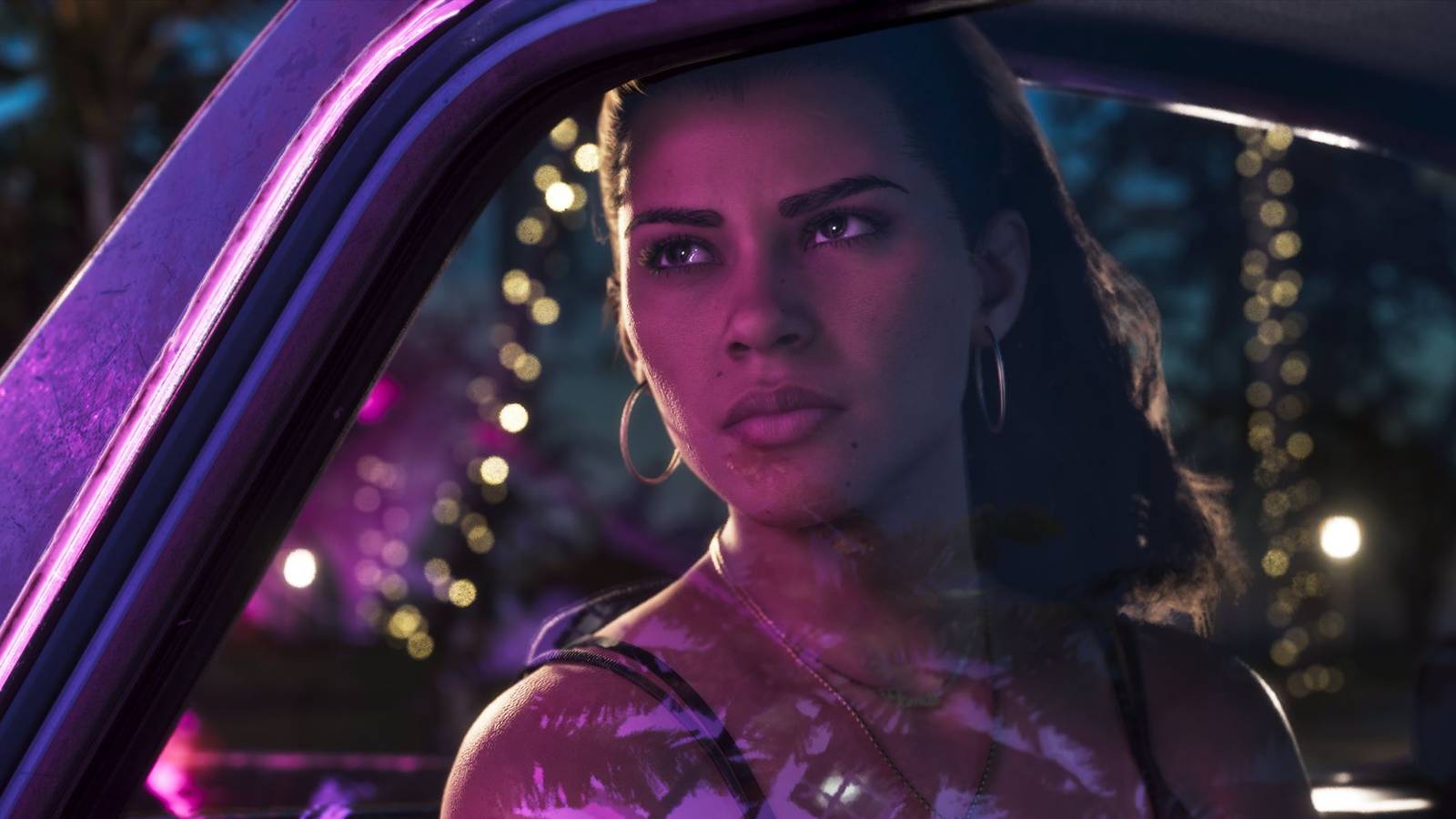
There's something undeniably odd about voting for Grand Theft Auto 6 as Game of the Year before you've actually played it. After years of waiting, fans now face the strange scenario of debating whether Rockstar's latest deserves gaming's top honor while their preorders are still locked. It could be a masterpiece—reviews suggest it might live up to the hype—but wouldn't it be better to let players experience it first?
On November 17, GTA 6 received a Game of the Year nomination, just two days before its November 19 release. It joins a competitive field including Control Resonant, Resident Evil Requiem, 007 First Light, Phantom Blade Zero, and The Legend of Zelda: Ocarina of Time. That lineup alone sparks debate, but Rockstar's inclusion raises a bigger question: why are nominations announced before all eligible games are even available to the public? The answer lies in early access, voting deadlines, and an eligibility window that technically allows this—yet it still feels wrong.
Following the Rules, But the Rules Are Flawed
The Game Awards' rules state that games must be commercially available by November 20 at 9 p.m. PT, and GTA 6 squeaks in by a single day. Publishers can also provide advance copies to critics, so voting outlets can evaluate games before ballots are due. No special exception was needed here—the process already accommodates a game getting nominated while customers are still waiting to buy it. That's an important distinction: Rockstar didn't cheat. They followed the rules, but the rules themselves create an awkward situation. An award meant to celebrate the year's best games is picking contenders before the year is even over.
Advance review access makes sense. Games can take dozens of hours to finish, and readers deserve informed opinions before spending money. But a Game of the Year nomination doesn't have that same urgency. Nobody needs a trophy campaign to decide whether to buy GTA 6—Rockstar has no trouble generating hype. Delaying its nomination to the next cycle would give players time to actually experience what the jury is celebrating, and it would let the game build a reputation beyond the initial excitement of launch. If that sounds like a disadvantage, ask yourself: should an award for quality depend so heavily on catching a game at its most thrilling moment?
A February Release vs. a November Release
Games released earlier in the year have a longer road to awards season. Players finish them, discuss endings, replay favorite sections, and eventually notice flaws. A game can also become more impressive with distance, as its story choices settle or a second playthrough reveals hidden depth. Months of reflection can strengthen a case, but it doesn't generate the same buzz as a massive new release finally arriving.
A November game enters the conversation under very different circumstances. People are still discovering surprises and sharing ridiculous moments with friends. That excitement is wonderful, but it makes fair comparison difficult. One contender is judged against the memory of an experience, while another is still delivering it. GTA 6 takes this imbalance further because its nomination was announced before the public could even start playing. Most voters were working from trailers, previews, and expectations—not actual gameplay. The nomination became another marketing tool, adding to the launch frenzy.
None of this proves an earlier release deserves to win. Resident Evil Requiem doesn't become better just because it's been out longer, and GTA 6 doesn't become worse for arriving late. But the ceremony should aim for a fair comparison, especially when the calendar is something it can control. The fix is simple: close the eligibility window before nomination ballots are due, so every qualifying game has reached players first. That would prevent the absurdity of a game being nominated before anyone can play it.
This isn't just about GTA 6—it's a systemic issue. The Game Awards has faced criticism before for its timing and transparency, much like the problems with Marvel's post-credit scenes that fans love to debate. And while GTA 6 is a blockbuster, the same issue could affect smaller titles. The awards should celebrate games that players have actually experienced, not just hyped. As it stands, the ceremony risks becoming a popularity contest rather than a true measure of quality.
Ultimately, GTA 6 might deserve every award it gets—but it should earn them after we've all had a chance to play. The Game Awards can afford to wait. In fact, waiting would make the honor more meaningful. Until then, this nomination feels less like a celebration and more like a reminder that the system needs a fix.