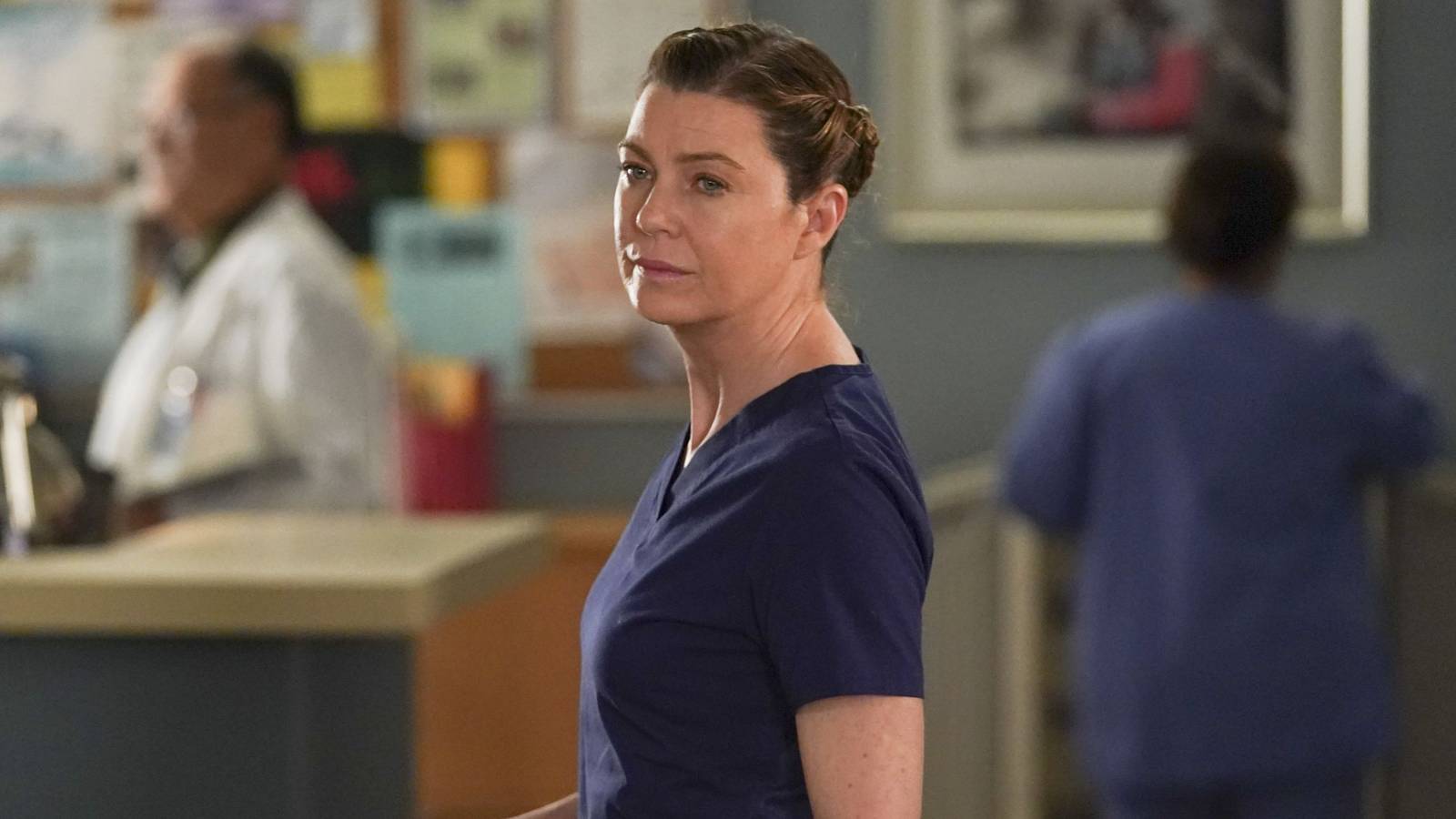
For two decades, Grey's Anatomy has been a ratings juggernaut, but the announcement of yet another spinoff has many fans wondering if the franchise has overstayed its welcome. The untitled new series, co-created by Shonda Rhimes and current showrunner Meg Marinis, will transplant the medical drama to rural West Texas—this time with an entirely fresh cast of doctors, no familiar faces from Seattle Grace. While ABC sees this as a golden opportunity to expand its most valuable IP, the move feels less like a creative necessity and more like a corporate checkbox.
From Magic to Machinery
Remember when Grey's Anatomy felt like an event? The early seasons thrived on a perfect storm of messy relationships, dark humor, and medical crises that actually mattered because they happened to characters we deeply cared about. Meredith, Cristina, Alex, Izzie, and George weren't just doctors—they were our dysfunctional family. But somewhere around Season 10, the show began repeating itself. Explosions, hostage situations, surprise pregnancies—the beats became predictable. Many fans argue that Cristina's departure in Season 10 would have been a natural ending, while others point to the COVID-focused Season 17 as a poignant finale. Instead, the show kept going, and now, years after Ellen Pompeo stepped back as the lead, ABC is doubling down.
Why Previous Spinoffs Worked
Private Practice succeeded because it centered on Addison Montgomery, a beloved character with a clear arc. It traded Seattle's chaotic energy for a slower, more intimate vibe in Los Angeles. Station 19 had a tougher time finding its identity, but at least it stayed connected through crossovers and familiar faces. This new Texas spinoff has neither. Right now, the pitch sounds like “Grey's, but make it Texas”—and that's not enough to justify its existence. As we reported earlier, Ellen Pompeo is producing, but that doesn't guarantee creative spark.
Franchise Fatigue Is Real
ABC isn't alone in this strategy. 9-1-1 now has Nashville, The Rookie is getting The Rookie: North. Network television has become obsessed with expandable universes because recognizable IP is safer than launching something original. But television history is littered with franchises that grew long after the creative spark died. The timing of this announcement is especially odd: Grey's Anatomy itself is reportedly receiving reduced episode orders for budget reasons. So while the flagship shrinks, the franchise expands. That's not a recipe for quality—it's a recipe for burnout.
What Fans Really Want
Longtime viewers don't need another spinoff. They need the original show to recapture its magic—or to end with dignity. The emotional beats that once felt fresh now feel recycled. The medical cases that used to drive character growth now feel like filler. As we noted recently, Grey's still dominates ratings, but that's partly due to habit and nostalgia. A new spinoff risks diluting the brand further, turning a once-beloved universe into a factory line of content.
Maybe it's time for ABC to listen to the fans who've been saying for years: let Grey's Anatomy end. Let it have a proper finale. And let the next great medical drama—whether it's The Pitt or something entirely new—earn its own legacy. Because franchise fatigue isn't just a buzzword; it's the sound of a once-great show running on empty.