In 2001, director Gore Verbinski assembled a cinematic dream team, pairing two of Hollywood's brightest stars—Brad Pitt and Julia Roberts—at the absolute height of their box office power. The resulting film, The Mexican, became a commercial success that left critics scratching their heads. Today, it stands as a fascinating artifact from a filmmaker known for his eclectic tastes, a movie that dared to be different when audiences expected a straightforward star vehicle.
A Director Unbound by Genre
Gore Verbinski has never been one to stay in a single lane. While he's best known for launching the Pirates of the Caribbean franchise and winning an Oscar for Rango, his filmography is a wild ride through family comedy, psychological horror, and offbeat drama. The Mexican fits perfectly into this unpredictable pattern. It's a film that gleefully refuses categorization, blending crime thriller elements with quirky, almost arthouse sensibilities. While it wasn't a hit with reviewers at the time, its sheer audacity and willingness to subvert expectations are now seen as hallmarks of Verbinski's unique creative voice.
Subverting Star Power
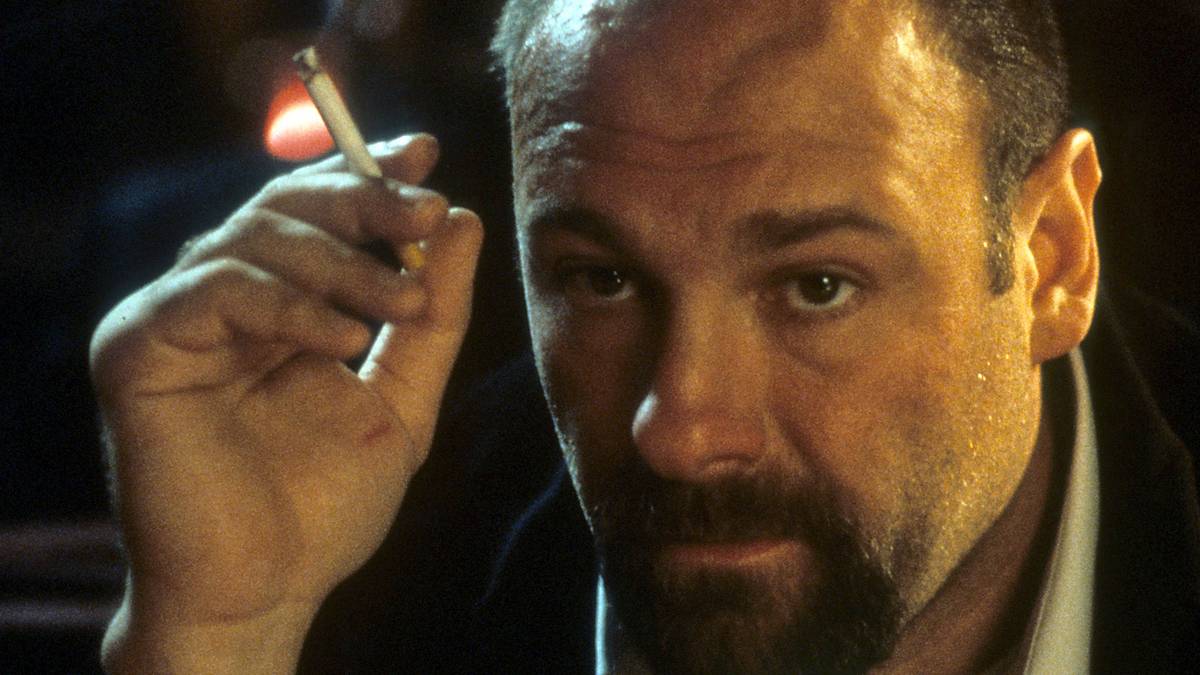
The film's genius lies in how it uses its A-list cast. Pitt plays Jerry Welbach, a hapless, deeply unlucky criminal trying to settle a debt with a mob boss (Gene Hackman). This was a far cry from the suave leading man roles he was known for, showcasing instead a bumbling, cowardly character who survives on sheer luck. Roberts, meanwhile, plays his girlfriend Sam, who is taken hostage by a surprisingly introspective hitman (James Gandolfini). She's no damsel in distress, but her role is softer and more vulnerable than the powerhouse characters she played in Ocean's Eleven or Erin Brockovich around the same time. Verbinski expertly flipped their star personas on their heads, creating a dynamic that felt fresh and unexpected.
The supporting cast is a treasure trove of character actors at the top of their game. James Gandolfini, in the midst of his iconic run on The Sopranos, delivers a nuanced and surprisingly tender performance as a hitman with a secret. Bob Balaban, typically seen in comedic roles, is chilling as a ruthless enforcer. The film's relaxed pacing allows these performers, including a scene-stealing J.K. Simmons, to truly shine, elevating the material into something special. It's a prime example of when Hollywood's 'something for everyone' formula is cleverly deconstructed rather than followed.
More Than a Crime Caper
While marketed as a crime thriller, The Mexican reveals itself to be a love letter to classic Westerns. Verbinski fills the screen with sweeping vistas of Mexico, capturing the danger and romance of the frontier. Alan Silvestri's luminous score feels plucked from a John Ford film, and the narrative itself—featuring drifters, standoffs, and a search for a fresh start—is deeply rooted in Western mythology. The final showdown is a direct homage to the tense, cinematic duels of Sergio Leone.
This genre-blending approach confused audiences in 2001, but it's precisely what makes the film compelling today. In an era where major studio films often feel focus-grouped into blandness, The Mexican is a reminder of the bold, original stories made for adults that have become increasingly rare. Like other underappreciated gems that have found their audience later, such as spellbinding fantasy films that demand a second look, Verbinski's movie has earned a cult reappraisal.
A Legacy of Originality
Verbinski's nearly decade-long hiatus from directing has only heightened appreciation for his distinctive style. In a landscape of cinematic universes and safe sequels, the risky, auteur-driven swing of The Mexican feels more valuable than ever. It wasn't just a vehicle for two mega-stars; it was a platform for a director to explore themes of fate, identity, and starting over, wrapped in a deceptively complex narrative.
For fans of Pitt and Roberts, it offers a chance to see them in roles that deliberately challenge their established images. For cinephiles, it's a fascinating piece from a director whose work, from The Lone Ranger to The Cure for Wellness, continues to spark debate and admiration. The Mexican may not have been the film everyone expected in 2001, but time has proven it to be the uniquely ambitious and entertaining film that only Gore Verbinski could have made.