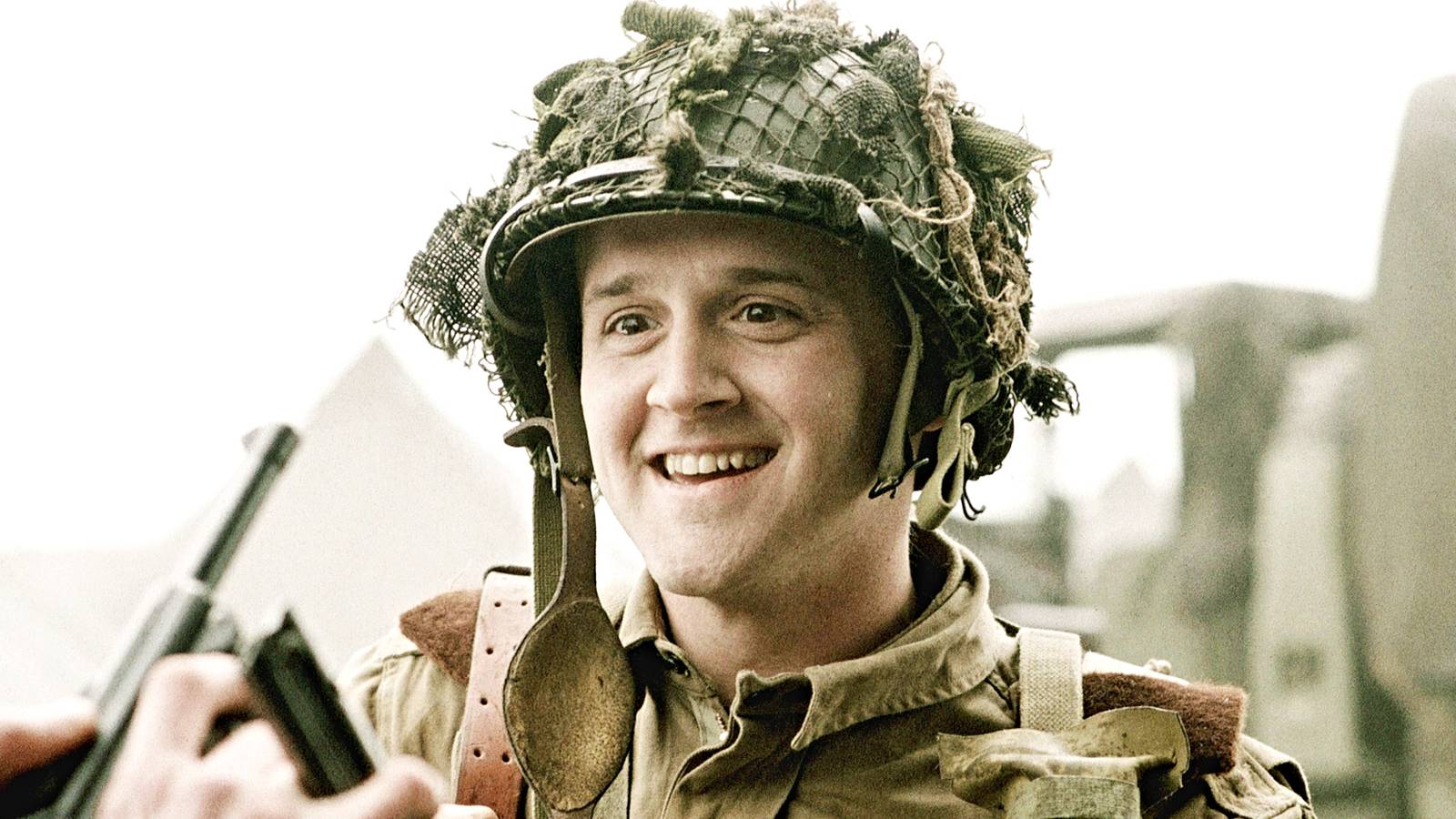
When it comes to television war dramas, one title stands above the rest as the undisputed champion: Band of Brothers. The Steven Spielberg and Tom Hanks masterpiece didn't just tell a story; it immersed viewers in the visceral, harrowing, and deeply human experience of World War II's Easy Company. Its legacy is so powerful that for over two decades, networks and streamers have been trying to replicate its success. The quest for the "next" Band of Brothers has become its own kind of campaign, with several ambitious series stepping onto the battlefield.
The Pacific (2010)
The most direct successor arrived from the same creative command: Spielberg, Hanks, and Gary Goetzman. The Pacific shifts the theater of war from Europe to the brutal island-hopping campaign against Imperial Japan. While its predecessor followed a single regiment, this miniseries weaves together the stories of several U.S. Marines across different units, from the hellscape of Guadalcanal to the sands of Iwo Jima. It trades some of the airborne adrenaline for a more psychologically immersive and grueling experience, emphasizing the sheer, isolating horror these young men faced far from home.
Masters of the Air (2024)
Proving their enduring commitment to the genre, the Spielberg-Hanks team took audiences to the skies with this Apple TV+ epic. Following the "Bloody Hundredth" Bomb Group, Masters of the Air explores the uniquely perilous world of B-17 bomber crews over Nazi-occupied Europe. Starring Austin Butler and Callum Turner, the series captures the chilling isolation of aerial combat, where brotherhood exists but each man is alone in a metal shell facing staggering casualty rates. It's a testament to the creative partnership's drive to explore every dimension of warfare, much like their acclaimed film Greyhound did for naval battles.
Birdsong (2012)
Not all contenders came from Hollywood. This BBC production, starring Eddie Redmayne, offers a more intimate, dual-timeline portrait of World War I. It intertwines a soldier's traumatic experiences in the claustrophobic terror of tunnel warfare with memories of a passionate pre-war love affair. The series distinguishes itself by focusing on the psychological scars and the unexpected bonds formed in the trenches, suggesting that the aftermath of war can be as complex and haunting as the combat itself.
Our World War (2014)
Another BBC entry, Our World War, used a bold, modern filmmaking style to bridge the historical gap. Presenting three true stories from World War I with techniques like body-cam footage and a contemporary soundtrack, the series aimed to make the visceral terror of a century ago feel immediate and raw. This stylistic choice served a documentary-like purpose, echoing Band of Brothers' commitment to realism while arguing that the emotional truths of these conflicts are never distant history.
Generation Kill (2008)
HBO itself ventured into modern warfare with this gritty, darkly humorous miniseries based on Evan Wright's embedded reporting during the 2003 invasion of Iraq. Generation Kill presents a starkly different war—one of confusion, bureaucratic absurdity, and a new generation of Marines navigating a conflict without clear front lines. Its realism and unvarnished look at the camaraderie and frustrations of soldiers made it a critical darling, proving the formula of intense, character-driven war storytelling could translate beyond World War II.
The search for a successor to Band of Brothers continues, driven by audience appetite for profound, well-crafted historical drama. These series, from the epic Masters of the Air to the innovative Our World War, each captured a piece of the formula: immense scale, deep humanity, and uncompromising realism. While the crown remains securely in place, the battle to produce television that honors the complexity of war and the soldiers who fight it is a campaign worth watching. For fans of epic storytelling, the success of series like For All Mankind shows that audiences still crave ambitious, long-form narratives, whether they're set in the past or the future.