Martial arts cinema often thrives on simplicity: a compelling hero, a worthy opponent, and breathtaking choreography. Many classics, like The Raid, tell a complete story in a single film. That's what makes a great trilogy so special—it's a rare feat to expand a world of combat across three chapters without losing the core spirit. This list celebrates those exceptional series that delivered a perfect trio of films, focusing solely on definitive three-part stories (sorry, John Wick and Ip Man fans—those sagas grew beyond a trilogy!).
7. The 'Ong Bak' Trilogy (2003–2010)
Launching with a revolutionary promise of "no wires, no stunt doubles, no CGI," the Ong Bak series reintroduced raw, bone-crunching Muay Thai to the world. The first film remains a high-water mark for practical stunt work and Tony Jaa's explosive physicality. While the sequels, particularly the convoluted Ong Bak 3, struggle to recapture that initial magic, the trilogy stands as a testament to a specific, gritty action ethos that defined 2000s martial arts cinema.

6. The 'Dead or Alive' Trilogy (1999–2002)
Directed by the wildly unpredictable Takashi Miike, this is perhaps the loosest "trilogy" on the list. More yakuza crime saga than pure martial arts fest, it follows two recurring actors through increasingly bizarre narratives. The journey starts with a gritty crime film, takes a darkly comedic turn in the second chapter, and astonishingly ends with a full-blown sci-fi dystopia in Dead or Alive: Final. It's a chaotic, genre-defying ride that proves martial arts energy can fuel almost any story.
5. Jackie Chan's 'Armour of God' Series (1986–2012)
This series captures Jackie Chan in his globe-trotting, death-defying prime, essentially crafting his own comedic answer to Indiana Jones. Armour of God and its superior sequel, Operation Condor, are packed with ingenious stunt sequences and playful humor. The third installment, Chinese Zodiac, arrived decades later and can't match the youthful vigor of the originals, but it offers a nostalgic, fun capstone to the adventures of Asian Hawk. For a perfect weekend binge, the first two films are essential viewing.
4. The 'Samurai Trilogy' (1954–1956)
Yes, samurai films absolutely belong in the martial arts conversation. This classic trilogy, starring the legendary Toshirō Mifune, chronicles the life and philosophical journey of swordsman Musashi Miyamoto. Released in three consecutive years, the films form a cohesive epic about mastery, honor, and personal growth. While Mifune starred in more famous singular films, this trilogy offers a profound character study and some of the most beautifully staged combat of its era.
3. The 'Dragon Inn' Films (1967–2011)
This is a thematic trilogy connected by setting and wuxia spirit rather than a direct narrative. The original Dragon Inn (1967) is a cornerstone of the genre. It was followed decades later by the acclaimed New Dragon Gate Inn (1992), and much later by a 2011 reboot. They share the iconic remote inn setting—a hotbed for conspiracy and clashing swords—across different generations, showcasing the evolution of the wuxia film. For fans of intricate plots and moral ambiguity, it's a fascinating companion to the best detective shows in its narrative tension.
2. The '36th Chamber of Shaolin' Trilogy (1978–1985)
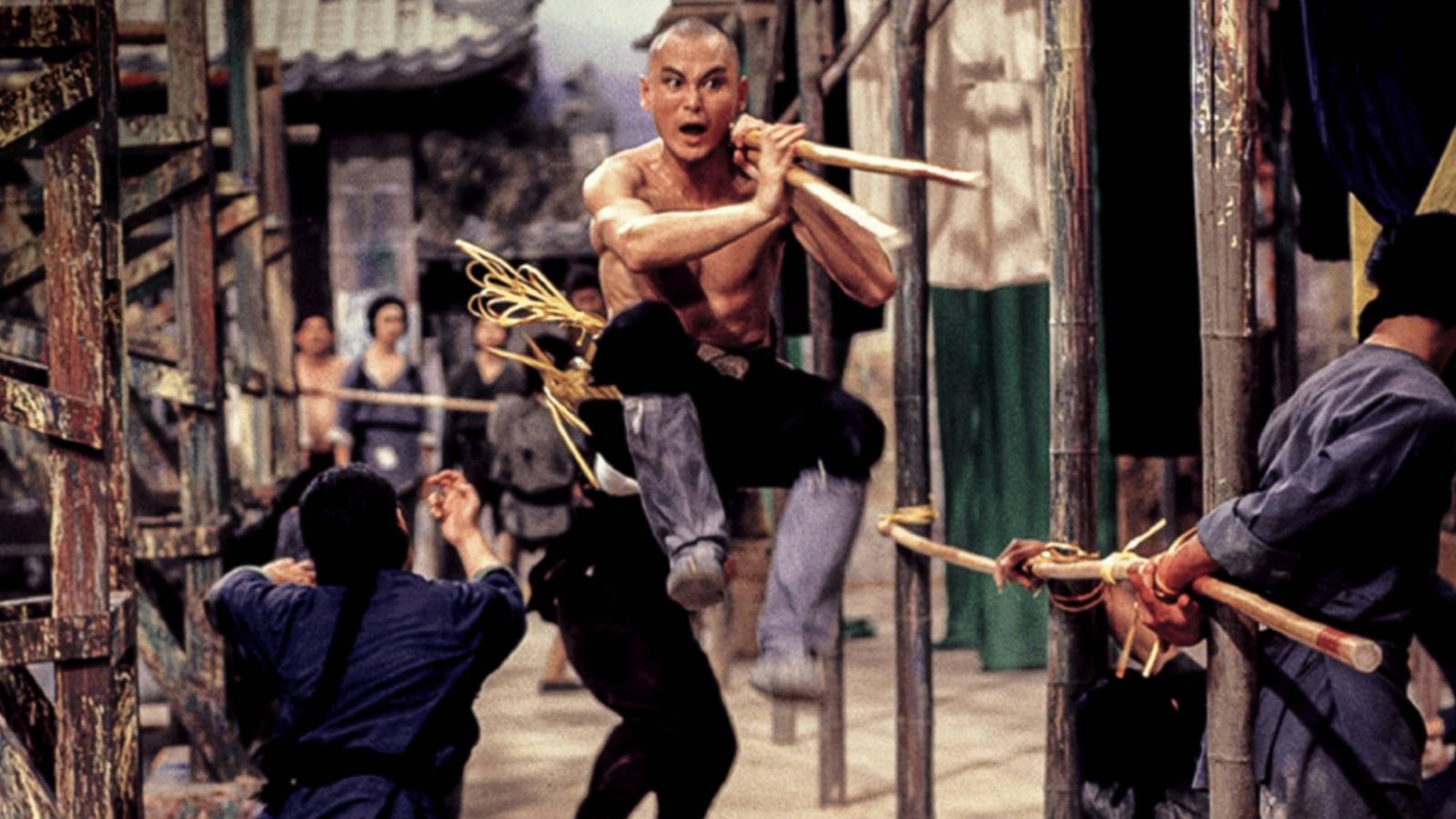
The original The 36th Chamber of Shaolin is arguably the greatest kung fu training film ever made, establishing a legendary template. Its sequels, Return to the 36th Chamber and Disciples of the 36th Chamber, cleverly expand the universe with more humor and inventive storytelling while maintaining the focus on rigorous skill development. Together, they form the holy trinity of Shaolin cinema, influencing countless films and artists that followed.
1. The 'Once Upon a Time in China' Series (1991–1997)
Jet Li's defining role as folk hero Wong Fei-hung anchors this magnificent trilogy. Director Tsui Hark revived the wuxia genre with a blend of breathtaking action, historical sweep, and nationalistic fervor. The first three films are a near-flawless run, featuring some of the most iconic fight scenes in history, including the legendary ladder battle. The series' impact on Hong Kong cinema is immeasurable, and it represents the pinnacle of the martial arts trilogy—epic in scale, rich in character, and unparalleled in its kinetic artistry. Its emotional weight and choreographic brilliance deliver a mastery of tension rivaling the best war films.