When we think of great movie trilogies, classics like The Godfather or The Lord of the Rings come to mind. These series succeed because the first film is so compelling that a sequel feels necessary, and the story arc naturally spans three movies. But not every trilogy achieves that magic. Some are so poorly executed that you wonder how they got the green light for even one film, let alone three.
From cringe-worthy romances to misguided adaptations, these trilogies are a masterclass in how not to sustain a story. They remind us that making a great trilogy is a rare feat, and that sometimes, less really is more. Here are six trilogies that were bad from start to finish.
Fifty Shades of Grey (2015-2018)
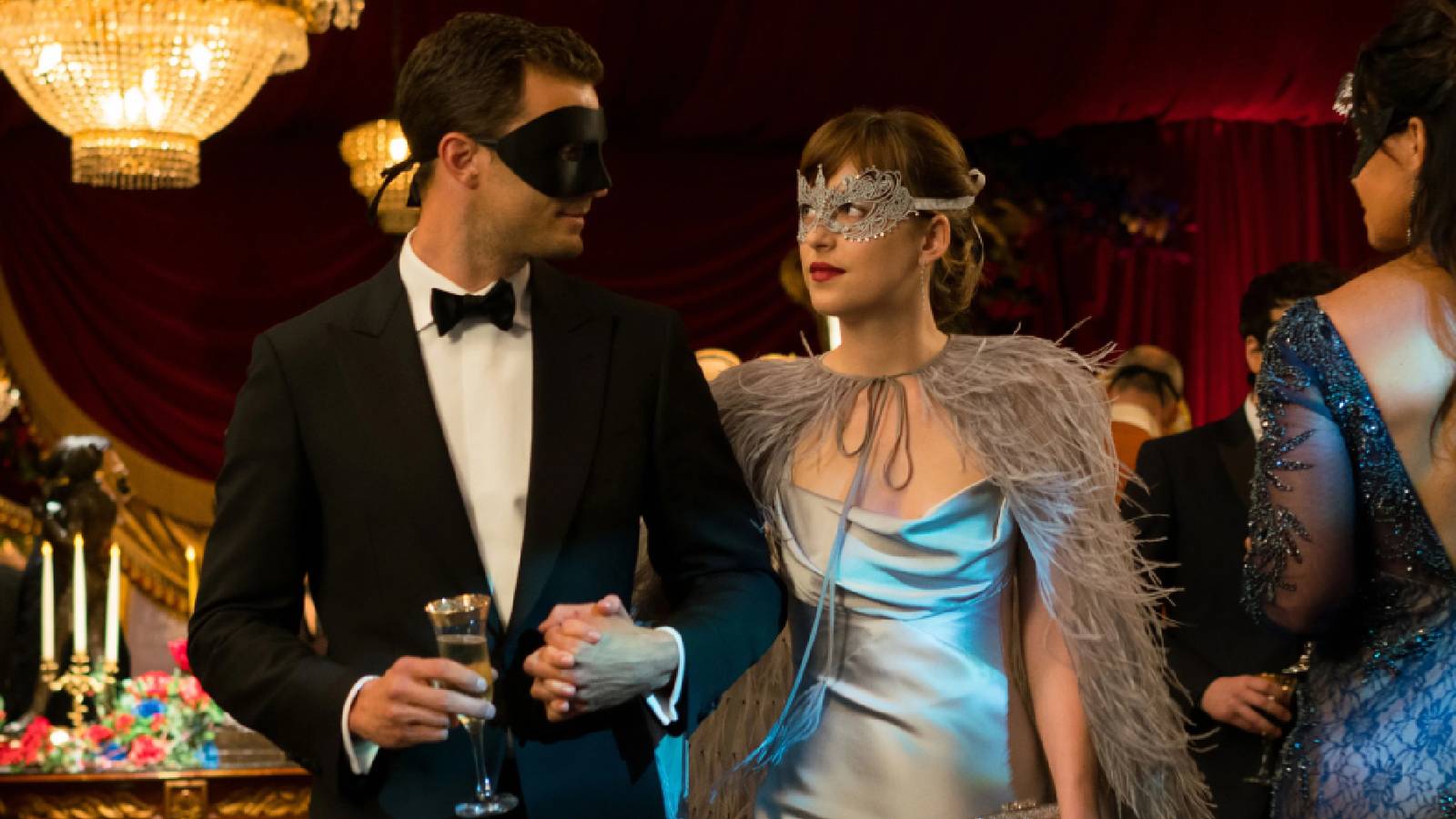
The Fifty Shades trilogy follows Anastasia Steele (Dakota Johnson), a literature student who falls into a complicated relationship with billionaire Christian Grey (Jamie Dornan). The first film introduces their meeting and Christian's unconventional tastes, while the sequels, Fifty Shades Darker and Fifty Shades Freed, follow their marriage and the conflicts that arise.
Despite its massive popularity, the trilogy is remarkably weak. The story barely progresses, and the sequels fail to explore the drama that the first film sets up. For a series about BDSM, it's surprisingly vanilla. The characters, based on a Twilight fan fiction, could have been memorable, but the plot becomes increasingly formulaic. The dialogue is stiff, and both Johnson and Dornan struggle to make their characters believable. It's a bad sign when the most exciting moment in the entire trilogy is Anastasia parallel parking perfectly.
The Kissing Booth (2018-2021)
The Kissing Booth trilogy follows Elle Evans (Joey King), a high schooler whose life gets complicated after she kisses her best friend's older brother, Noah Flynn (Jacob Elordi), at a school fundraiser. The sequels follow them through college and the challenges of long-distance romance.
The premise is cute, but the films become frustrating because the conflicts are manufactured by characters who refuse to communicate. Elle and Noah's relationship is portrayed as passionate, but it's actually riddled with jealousy and possessiveness. Meanwhile, Elle's friendship with Lee (Joel Courtney) is governed by a ridiculous set of rules that should have been abandoned years ago. The sequels barely justify their existence, yet they were huge hits on Netflix. Fortunately, both Elordi and King have since moved on to better projects.
My Fault (2023-2025)
Based on Mercedes Ron's Wattpad stories, the My Fault trilogy follows Noah (Nicole Wallace) and Nick (Gabriel Guevara), step-siblings who clash but develop an intense attraction after Noah beats Nick in a race. The sequels continue their forbidden romance despite their parents' disapproval.
Like The Kissing Booth, this trilogy proves that popular Wattpad stories don't always translate to compelling films. The plots are outlandish and irrational, and the three movies just repeat the same cycle with little development. The lavish settings are nice to look at, but they can't hold the audience's attention forever. Still, the films are constantly among Prime Video's most-watched, and an English-language remake, My Fault: London, is already in the works. Maybe it's our fault for tuning in.
Atlas Shrugged (2011-2014)
The Atlas Shrugged trilogy attempted to bring Ayn Rand's novel to the screen. The story follows Dagny Taggart (Taylor Schilling in the first film), a railroad executive trying to keep her company afloat as a mysterious figure named John Galt dismantles the system. All three films bombed at the box office, and each one featured a new cast and director.
Splitting the novel into three films without any confidence in the project was a baffling decision. Rand's philosophical ideas are never effectively translated to screen, leaving both newcomers and fans of the book confused. The box office numbers dwindled with each installment, with the final film barely grossing $1 million. The first film is the most competent, thanks to Schilling's performance, but that's not saying much.
These trilogies are a reminder that not every story needs three parts. Sometimes, a single film is enough, and forcing a trilogy can ruin what could have been a decent standalone movie. For more on trilogies that got it right, check out our list of the most beloved trilogies. And if you're in the mood for a good scare, these hidden Netflix horror gems are flawless from start to finish.