Great horror doesn't rely on jump scares or gore alone. It builds dread, explores human darkness, and warns us about the consequences of meddling with forces beyond our control. The best horror novels often announce their brilliance in the opening pages, setting a tone that promises an unforgettable journey. Here are five such books, each a masterpiece from its very first chapter.
Dracula (1897)
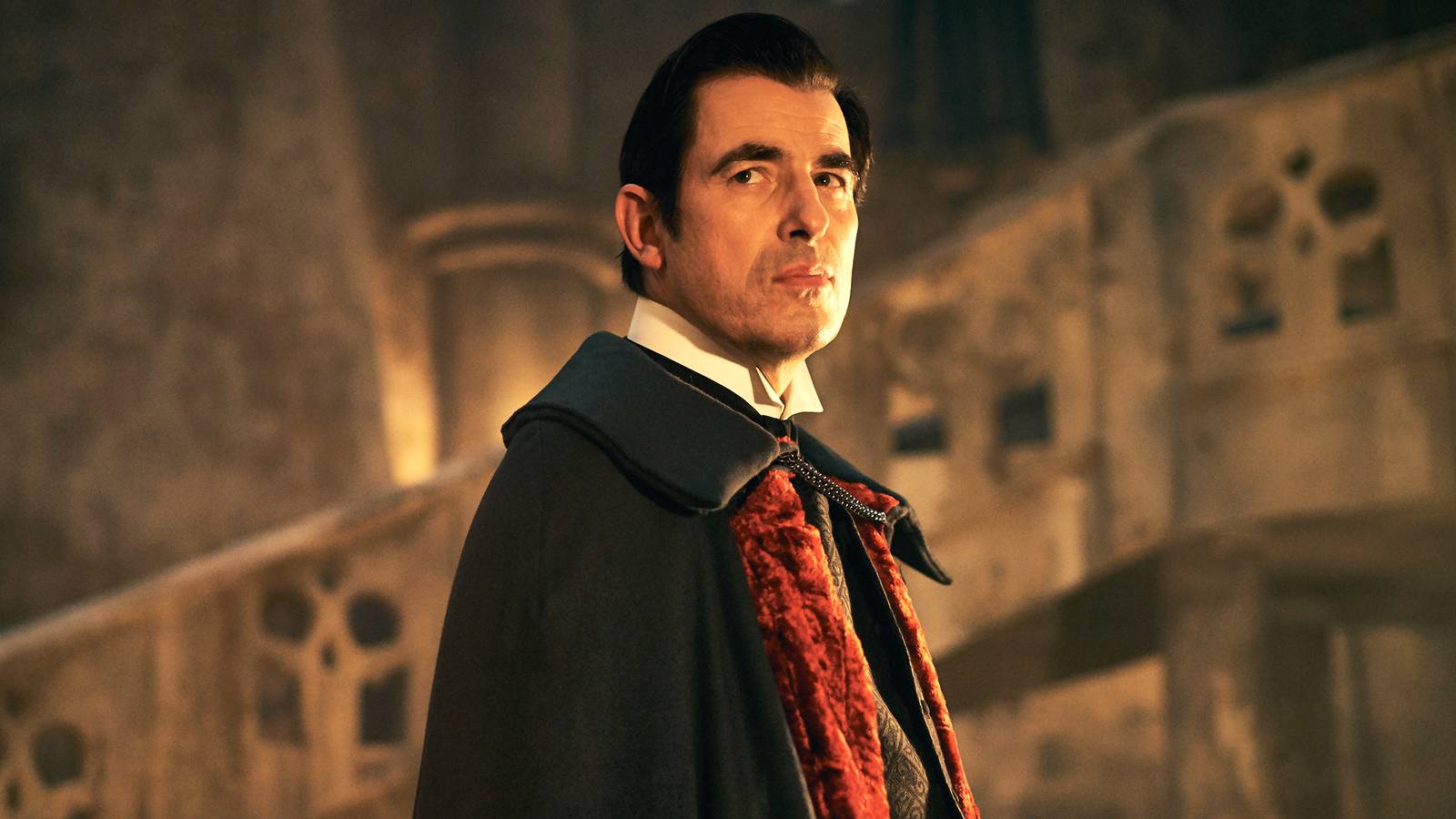
Bram Stoker's Dracula didn't just define vampire fiction; it set a template that countless stories—from Interview with the Vampire to Twilight—have followed. The novel unfolds through journal entries and letters, giving it an intimate, documentary feel. In the opening chapter, we travel with Jonathan Harker as he makes his way to Count Dracula's remote castle in Transylvania. His detailed, almost mundane travelogue—stops at inns, encounters with locals—feels like a Victorian-era vlog.
What makes this first chapter so effective is what it doesn't show. Harker never meets Dracula; instead, he learns about him through the terrified reactions of the villagers. They cross themselves, beg him to turn back, and press a crucifix into his hands. Their fear is palpable, and it primes the reader for the horror to come. The dread is already simmering before the vampire ever appears.
The Haunting of Hill House (1959)
Shirley Jackson's The Haunting of Hill House begins not with a ghost, but with logistics. Dr. John Montague, an anthropologist obsessed with the paranormal, is determined to prove the existence of the supernatural by studying a notoriously haunted house. But first, he must secure permission, gather a team, and consider the personalities of his assistants—because even ghost hunting requires good team chemistry.
This mundane setup is surprisingly compelling. Jackson uses it to ground the story in reality, making the supernatural elements that follow all the more unsettling. The first chapter establishes Montague's earnestness and the skepticism he faces, setting the stage for a psychological horror that's as much about the human mind as it is about the house itself. It's a slow burn that pays off beautifully.
Pet Sematary (1983)
Stephen King has a knack for finding horror in the ordinary, and Pet Sematary is a prime example. The first chapter is just two pages long, but it's packed with character and foreshadowing. Louis Creed, a doctor, has uprooted his family to rural Maine for a new job. His wife is anxious, his daughter is sulky, his baby is fussy, and the family cat won't stop yowling. It's a chaotic, relatable scene.
King also gives us a glimpse into Louis's mind, where a darkly comic thought flickers: abandoning his family and running off to Florida to work at Disney World. It's a fleeting fantasy, but it reveals Louis's vulnerability and his tendency to escape when things get tough. In just a few pages, King makes us care about this flawed man, knowing that his choices will lead to tragedy. It's a masterclass in efficient storytelling.
Frankenstein (1818)
Mary Shelley was only 18 when she conceived Frankenstein, yet the novel reads like the work of a seasoned philosopher. The opening chapters are framed by Captain Walton's letters to his sister, as he voyages to the Arctic. Walton is ambitious, lonely, and hungry for glory—a mirror of Victor Frankenstein himself. This framing device immediately establishes themes of ambition, isolation, and the pursuit of knowledge at any cost.
Shelley's prose is lush and almost poetic, which makes the horror of the creature's creation all the more jarring. The first chapter doesn't show the monster, but it sets the stage for Victor's obsession and the moral questions that will haunt him. It's a slow, deliberate opening that rewards patient readers with a deeply philosophical horror story.
The Exorcist (1971)
William Peter Blatty's The Exorcist opens not with demonic possession, but with an archaeological dig in Iraq. Father Merrin, an aging priest, uncovers an ancient artifact that seems to portend evil. The scene is atmospheric and eerie, hinting at a cosmic battle between good and evil that will later unfold in a Georgetown townhouse.
This prologue is brilliant because it grounds the supernatural in history and religion, making the horror feel ancient and inevitable. Blatty's writing is taut and cinematic, and the first chapter alone is enough to hook readers. It's a reminder that the best horror often starts with a whisper, not a scream.
These five novels prove that a great horror story doesn't need to start with a jump scare. By establishing character, mood, and a sense of impending doom, they draw us in and refuse to let go. If you're looking for your next chilling read, these are perfect starting points. And if you're in the mood for more suspense, check out our list of thriller books with jaw-dropping twists or dive into the best true crime books for a different kind of terror.