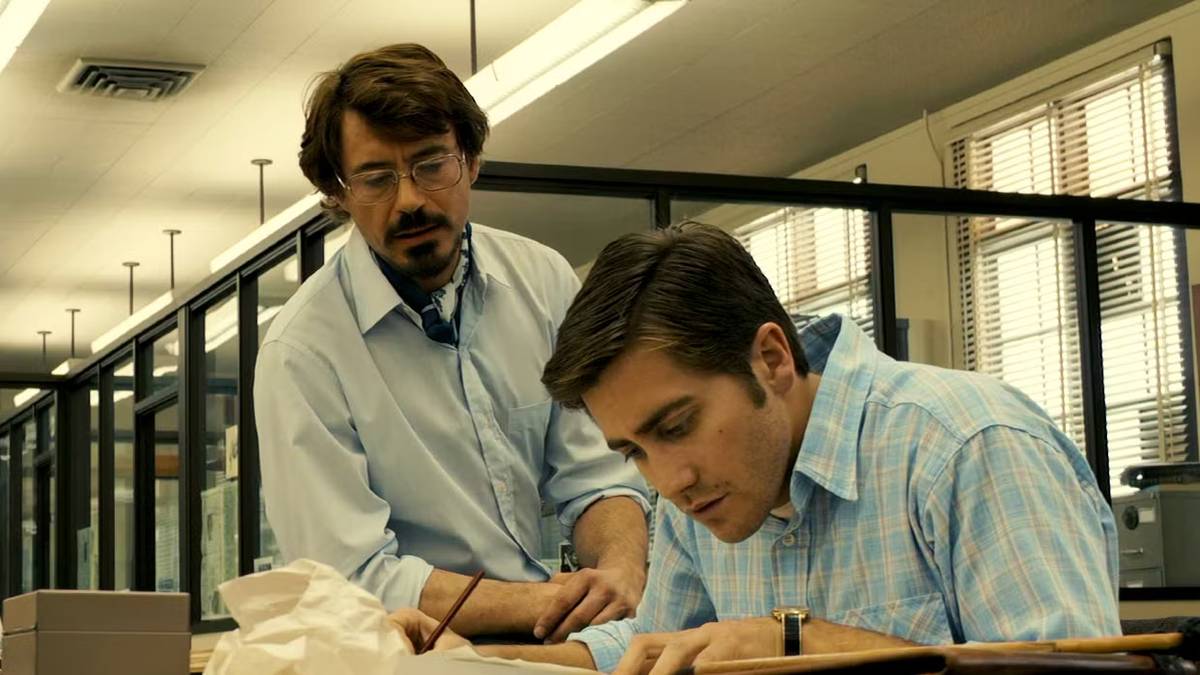
Two cinematic titans sat down for a conversation as sharp and precise as one of David Fincher's own edits. To celebrate the opening of the first-ever exhibition dedicated to his work at the Academy Museum, Oscar-winner Bong Joon Ho hosted a special screening of Fincher's 2007 film Zodiac, followed by an in-depth Q&A with the director himself. The resulting discussion, captured by Collider, peeled back the layers of the crime thriller masterpiece, revealing its beating heart is not violence, but the quiet, consuming nature of obsession.
A Meeting of Meticulous Minds
Bong Joon Ho, whose own exhibition runs until January 2027 and features over 100 original objects, admitted to feeling a familiar anxiety upon first meeting Fincher years ago, noting his impeccably organized office. “All the colored pencils were organized perfectly by color,” Bong recalled, prompting a question about whether Fincher resists the “obsessive” label. Fincher's response was pragmatic: “I just feel like you should do everything in your power to be as clear in what you're trying to communicate as you can possibly be.”
The Core of Zodiac: Obsession, Not Action
The conversation quickly turned to the film itself. Bong noted the film's razor-sharp editing and its notably quiet, calm atmosphere compared to the more visceral thrills of Fincher's Se7en. This observation led to Fincher's crucial revelation about the film's true subject. “We weren't making a movie about a serial killer,” Fincher stated. “We were making a movie about the effects of a serial killer on the community and on the lives of people... this movie is much more about the accretion of hopelessness.&rdquo>
This focus on psychological erosion over physical action places Zodiac among the definitive crime film masterpieces of the century, distinguished by its patient, haunting study of obsession's toll. Fincher explained the deliberate behavioral realism, drawing from his childhood memories of newsrooms that looked “like NASA” to ground the period. He aimed not for dramatic flair, but for authenticity: “That looks like a newspaper guy, and that looks like a homicide investigator to me.”
Personal Memories and Lasting Impact
Fincher, who was a child in Marin County during the Zodiac killer's reign, shared that the case was the local “boogeyman.” He even based a scene on a chilling conversation with his no-nonsense father, who matter-of-factly detailed the killer's threats. This personal connection to the era's pervasive fear informed the film's immersive, drenching atmosphere of dread that Bong praised.
While Fincher famously avoids rewatching his old films (“I don't like looking at pictures of myself from high school either”), the discussion proved Zodiac remains a vital, razor-sharp work. Its legacy endures not for solving a mystery, but for masterfully depicting the unsolvable puzzle's human cost. For fans of meticulously crafted tension, this conversation is a masterclass, much like discovering TV masterpieces that redefine a genre.
The event also served as a celebration of Bong Joon Ho's influential career, now honored with a major museum exhibition. In a playful tease, Bong also hinted at “very big surprises” from his upcoming project with Brad Pitt, ensuring the spotlight on these visionary directors will only continue to grow.