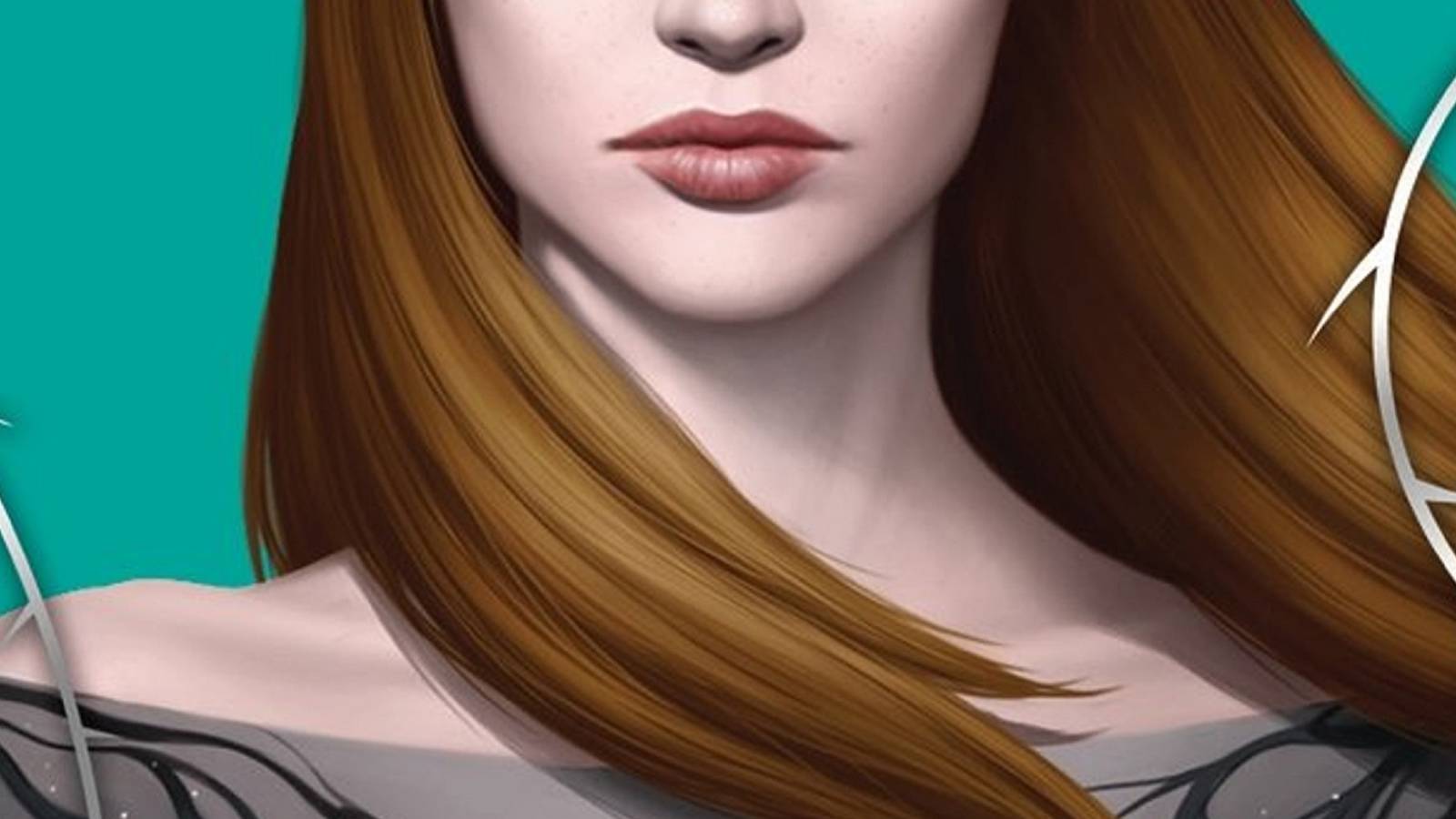
After a five-year wait, Sarah J. Maas has returned to the enchanting world of Prythian with A Court of Splintered Harmony, the sixth installment in her wildly popular A Court of Thorns and Roses (ACOTAR) series. This new book, which kicks off the Valkyrie Cycle, has reignited fans' passion for the series, prompting many to revisit earlier books. In doing so, they might notice something intriguing: much of the magic, curses, and lore they adore is deeply rooted in age-old stories—from Scottish ballads to Norwegian folk tales, Greek myths, and Norse legends. The latest addition even draws from Russian folklore for its antagonist.
Fantasy authors often look to the past for inspiration. Rick Riordan modernized Greek gods in Percy Jackson, while George R.R. Martin mined English history for Game of Thrones. Maas is no exception. Her earlier Throne of Glass series was born from a Cinderella twist—what if the princess was an assassin? Now, with ACOTAR, she weaves a tapestry of familiar tales, giving them a darker, more complex edge.

Beauty and the Beast
The most obvious influence is the classic fairy tale Beauty and the Beast. Maas reimagines it with a huntress at the center, asking, "What if Beauty were a fighter?" Feyre's journey mirrors the original: a poor family, a rose plucked from a magical garden, and a beastly lord cursed to be loved. But Maas subverts expectations—Feyre is no bookish Belle; she's a survivor, and her arc takes her far beyond the traditional happily-ever-after.
East of the Sun, West of the Moon
Maas has cited this Norwegian folk tale as her all-time favorite. It shares DNA with Beauty and the Beast but adds a twist: the heroine must journey to a castle beyond the sun and moon to rescue her enchanted prince. This tale likely inspired Tamlin's bear form and the epic separation between him and Feyre, echoing the heroine's quest to win back her love.
Tam Lin
The name "Tamlin" is a direct nod to the Scottish ballad Tam Lin, where a mortal woman must save her lover from the Queen of Fairies by holding him through terrifying transformations. This myth is most evident in the Under the Mountain trials, where Feyre faces deadly challenges to free Tamlin from Amarantha's clutches. While the ballad's Janet is pregnant and the dynamics differ, the core of sacrifice and transformation remains.
These are just a few of the tales woven into ACOTAR's fabric. As the series expands, Maas continues to draw from a well of folklore, proving that even in a world of faerie courts and magical artifacts, the oldest stories still hold power. For fans eager to dive deeper, the enduring appeal of fairy tales is evident, and with the next ACOTAR book on the horizon, the mythic inspiration shows no sign of fading.