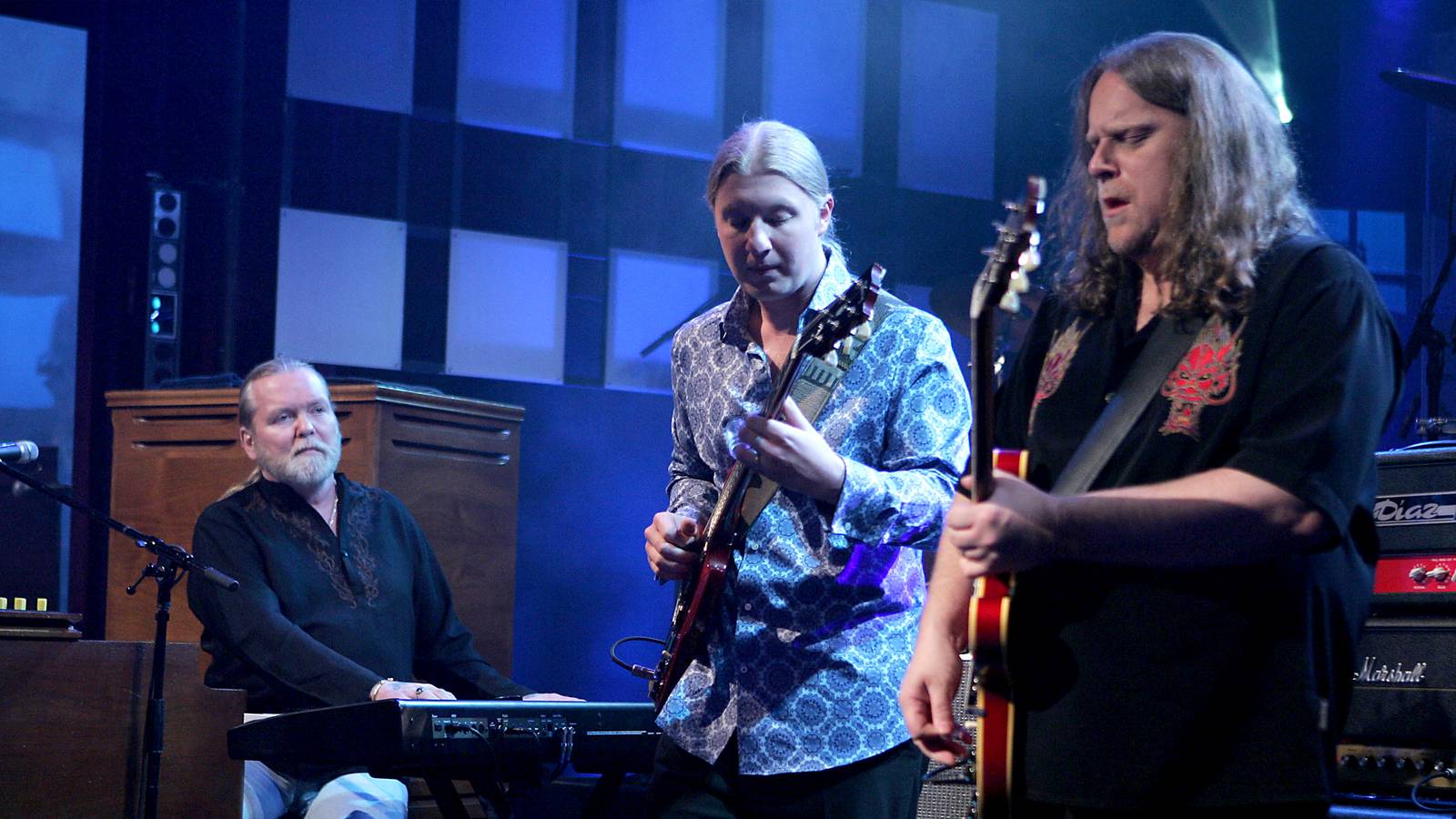
The Allman Brothers Band, born in Jacksonville, Florida in 1969 and later rooted in Macon, Georgia, are legends of Southern rock. With Duane Allman's searing slide guitar, Gregg Allman's soulful keys and vocals, Dickey Betts' melodic leads, Berry Oakley's bass, and the dual drumming of Butch Trucks and Jaimoe, they forged a sound that blended blues, jazz, and country into expansive, improvisational rock. Their catalog is rich with instrumentals that showcase their extraordinary musicianship, from delicate acoustic pieces to sprawling electric journeys.
Tragedy struck early with the deaths of Duane Allman in 1971 and Berry Oakley in 1972, both in motorcycle accidents. Yet the band persevered, evolving through lineup changes and reunions. They returned in 1989 with Warren Haynes on guitar and Allen Woody on bass, later adding Oteil Burbridge and others. Throughout, their instrumentals remained a cornerstone, often stretching into epic live explorations. Here, we rank every Allman Brothers Band studio instrumental, from the essential to the overlooked.
11. "Pegasus" (1979)
From Enlightened Rogues, this Dickey Betts composition marked the band's reunion after their 1976 split. With new members Dan Toler and David Goldflies, "Pegasus" is a driving, seven-minute piece that balances soaring melodies with tight guitar harmonies. It features a cool dual drum solo and a surprising ending, capturing the late-70s funk while staying true to their twin-guitar roots. It earned a Grammy nomination for Best Rock Instrumental Performance.
10. "From the Madness of the West" (1980)
This overlooked gem from Reach for the Sky showcases the twin guitar interplay between Betts and Toler. At over six minutes, it packs melodic chemistry into a more compact form than their sprawling epics. While the album leaned commercial, this track preserves their adventurous spirit, offering a rewarding listen for fans of their instrumental work.
9. "True Gravity" (1990)
Co-written by Betts and Warren Haynes for Seven Turns, this nearly eight-minute track marked the band's reunion album. It dives deep into jazz influences, with an Ornette Coleman-inspired arrangement that rises into an uplifting, spiritual groove, even teasing "Jessica" near the end. It earned a Grammy nomination and signaled the revitalized Betts-Haynes partnership.
8. "High Falls" (1975)
This fourteen-minute epic from Win, Lose or Draw features Chuck Leavell's piano and Lamar Williams on bass. Named after a Georgia state park where Betts composed it, the piece flows with relaxed, jazz-inflected rhythms, allowing Betts and Leavell to trade melodic ideas. It's a highlight of the mid-70s lineup, showcasing their ensemble interplay.
7. "Little Martha" (1972)
The closing track on Eat a Peach, this delicate acoustic duet is the only composition credited solely to Duane Allman. Recorded just weeks before his death, it features Allman and Betts trading gentle, intricate lines. At just over two minutes, it's a poignant, beautiful farewell from a guitar legend.
6. "Kind of Bird" (1969)
From their self-titled debut, this early instrumental shows the band's jazz leanings. With a title nodding to Charlie Parker, it features Duane Allman's slide and Gregg's organ, creating a bluesy, exploratory piece that set the stage for their future instrumentals.
5. "Instrumental Illness" (2003)
From Hittin' the Note, this modern-era track features Warren Haynes and Derek Trucks trading fiery solos. It's a hard-driving, blues-rock instrumental that proves the band's later lineup could still deliver powerful, improvisational music. It earned a Grammy nomination, keeping their instrumental tradition alive.
4. "Jessica" (1973)
Perhaps their most famous instrumental, "Jessica" from Brothers and Sisters is a joyful, upbeat tune with a memorable guitar melody. Written by Betts, it became a radio staple and won a Grammy for Best Rock Instrumental Performance. Its infectious energy and melodic hook make it a timeless classic.
3. "In Memory of Elizabeth Reed" (1970)
From Idlewild South, this jazz-infused instrumental is a cornerstone of their live shows. Named after a woman Betts met at a cemetery, it features intricate guitar harmonies and extended improvisation. The studio version is a masterclass in melodic interplay, and it remains a fan favorite.
2. "Mountain Jam" (1972)
This epic, over 33 minutes long, appears on Eat a Peach and was recorded live at the Fillmore East. Though technically a live track, it's a studio album centerpiece. Based on Donovan's "There Is a Mountain," it showcases the band's improvisational genius, with each member taking extended solos. It's a monumental achievement in instrumental rock.
1. "Les Brers in A Minor" (1973)
From Brothers and Sisters, this Betts composition is a dark, brooding instrumental that highlights the band's blues and jazz roots. With its minor-key melody and powerful guitar work, it's a standout that demonstrates their ability to create mood and tension. It's a fitting number one for its complexity and emotional depth.
The Allman Brothers Band's instrumentals are more than just filler; they are essential expressions of their musical identity. From the delicate beauty of "Little Martha" to the epic sprawl of "Mountain Jam," these tracks showcase the band's unparalleled chemistry and improvisational spirit. Whether you're a longtime fan or new to their music, these instrumentals offer a gateway into the soul of Southern rock.