Some films feel like a beginning, others like a definitive close. The titles on this list are the latter—epic movies that signaled the end of an era, whether in storytelling, filmmaking style, genre popularity, audience taste, or a director's career. In some cases, they captured a shift already in motion; in others, they were the catalyst. From sweeping historical dramas to superhero showdowns, these films stand as monuments to what came before and markers of what was to come.
Red Beard (1965)
Akira Kurosawa and Toshiro Mifune defined Japanese cinema together, from Rashomon to Seven Samurai. Their final collaboration, Red Beard, is a three-hour humanist epic set in a 19th-century clinic, where Mifune plays the titular doctor tending to the poor. It's a quiet, existential work, a far cry from the action-packed samurai tales that made them famous. This film also marked Kurosawa's last black-and-white feature; afterward, he embraced vivid color, leaving monochrome behind. Red Beard is the culmination of his mastery of light and shadow, and a poignant farewell to one of cinema's greatest partnerships.
Once Upon a Time in Hollywood (2019)
Quentin Tarantino's love letter to 1969 Hollywood is a bittersweet elegy for a fading industry. Leonardo DiCaprio plays Rick Dalton, a TV Western star watching his career slip away, with Brad Pitt as his loyal stunt double. The film captures the end of the studio system's golden age, just before the counterculture and New Hollywood took over. But it also feels like a last gasp for the original, big-budget star vehicle—a genre that would soon be overtaken by franchises and streaming. In many ways, Once Upon a Time in Hollywood is one of the final old-school blockbusters, a nostalgic look back at a romanticized era that was already disappearing.
Once Upon a Time in America (1984)
Sergio Leone's swan song is a sprawling, melancholic deconstruction of the gangster genre. Robert De Niro stars as Noodles, a Jewish mobster reflecting on his life, friendships, and betrayals. The film's non-linear structure and epic runtime were a bold statement, but it also marked the end of the auteur-driven New Hollywood era. By the mid-1980s, studios were reasserting control, and films like this—personal, ambitious, and uncompromising—became rare. Once Upon a Time in America stands as a tombstone for that brief period when directors had blank checks and used them to make art.
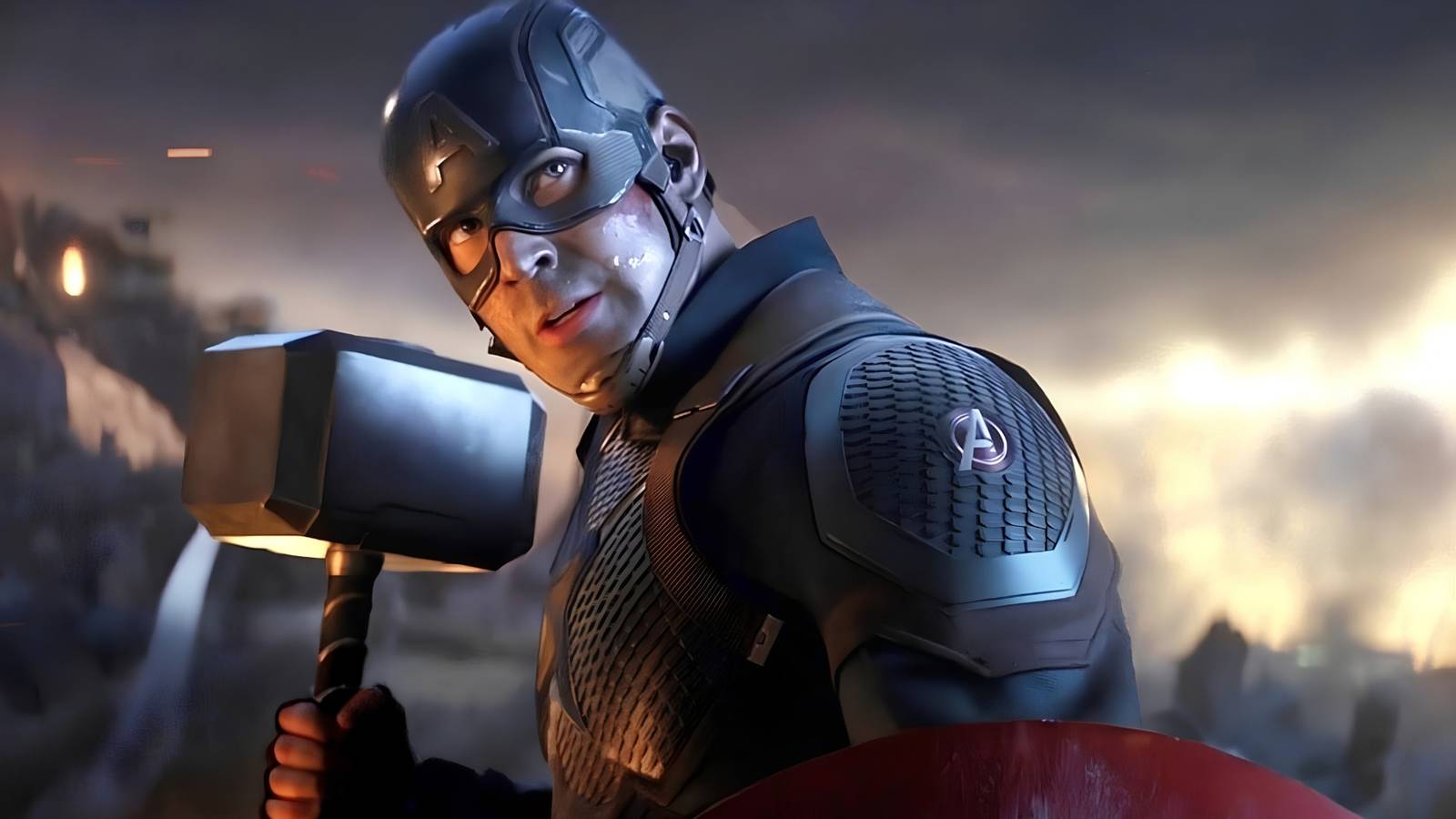
Avengers: Endgame (2019)
When the Marvel Cinematic Universe reached its climax with Avengers: Endgame, it wasn't just a movie—it was a cultural event. The film capped over a decade of interconnected storytelling, bringing together dozens of heroes for a final, epic battle against Thanos. Its time-travel plot allowed fans to revisit iconic moments, making it a greatest-hits compilation of the MCU. But Endgame also marked the peak of the superhero era, a moment when the genre dominated Hollywood like never before. It was one of the last true monoculture events, where everyone seemed to be talking about the same movie at the same time. Since then, the landscape has fragmented, and the era of the shared universe may never be replicated.
Titanic (1997)
James Cameron's Titanic was a phenomenon, breaking box office records and capturing hearts with its tragic romance. But it also represented the end of an era for original, non-franchise historical epics. The film's $2.2 billion haul was a testament to the power of a well-told story, but studios soon shifted their focus to pre-existing IP and superheroes. Titanic was also a last hurrah for practical effects and scale models, even as it pioneered CGI. It was a bridge between old-school spectacle and the digital future, and its success would never be repeated in quite the same way.
Lawrence of Arabia (1962)
David Lean's masterpiece is the quintessential epic, a sweeping desert saga that defined the genre for decades. But it also marked the end of an era of grand, location-shot historical dramas that relied on real landscapes and massive practical sets. The film's success was a high-water mark for the studio system's willingness to invest in ambitious, adult-oriented spectacles. After Lawrence of Arabia, the industry began to shift toward smaller, more personal films, and the era of the mega-budget historical epic would slowly fade. It remains a benchmark, but also a farewell to a particular kind of filmmaking.
The Irishman (2019)
Martin Scorsese's The Irishman is a somber, reflective look at the mob life, starring Robert De Niro, Al Pacino, and Joe Pesci. It's a deconstruction of the gangster genre that Scorsese himself helped define, and it also serves as a meditation on aging and mortality. The film's use of de-aging technology was a technical marvel, but it also signaled the end of an era for the traditional studio-backed crime epic. Released on Netflix, The Irishman was a reminder that the theatrical experience was no longer the only way to experience a major film. It was a farewell to the old guard, both in front of and behind the camera.
These seven films, each in their own way, closed a chapter in cinema history. They remind us that every ending is also a beginning, and that the stories we tell reflect the times we live in—and the times we're leaving behind.