When the first Enola Holmes arrived on Netflix during the pandemic, it was a breath of fresh air—a charming, clever mystery with a breakout turn from Millie Bobby Brown. The 2022 sequel built on that goodwill, deepening Enola's world and character. Now, with Enola Holmes 3 dropping on July 1, the franchise feels like it's running on fumes. While not a disaster, this third chapter is the weakest of the bunch, a mostly forgettable adventure that trades wit for wedding bells.
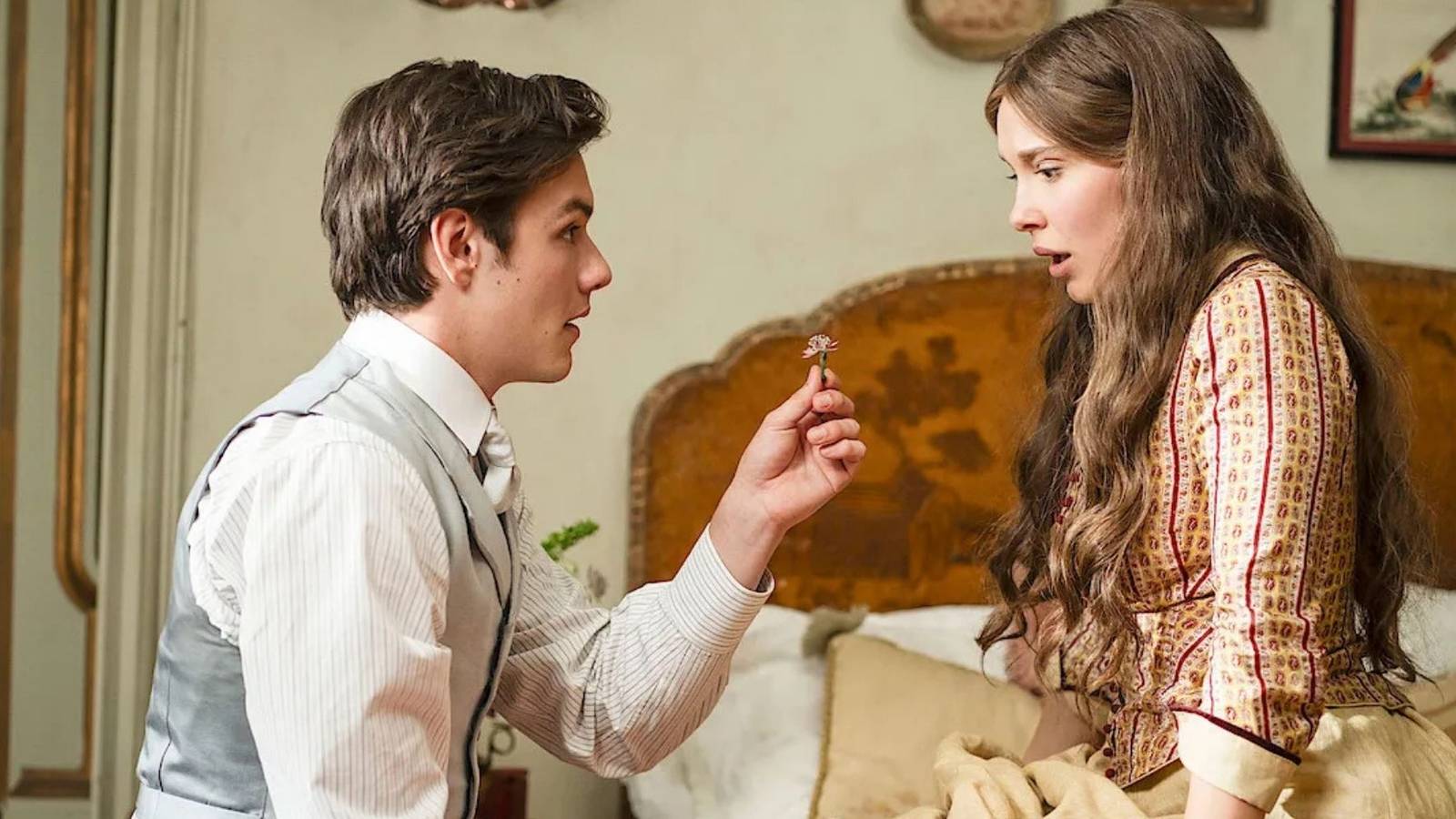
Brown reprises her role as Sherlock Holmes's (Henry Cavill) younger sister, now a young woman navigating Victorian London's detective scene. This time, her personal life takes center stage: Lord Tewkesbury (Louis Partridge) proposes, and Enola accepts—but with serious doubts about losing her independence. Their Malta wedding is derailed when Sherlock is kidnapped, sending Enola on a rescue mission. The mystery, however, is painfully predictable; you'll guess the culprit long before the credits roll.
The supporting cast returns, including Helena Bonham Carter as revolutionary mother Eudoria, Himesh Patel as Dr. Watson, Susan Wokoma as mentor Edith, and Sharon Duncan-Brewster as Moriarty. Newcomers Joe Azzopardi and Jason Watkins join, but the ensemble feels underutilized. Director Philip Barantini (Netflix's Adolescence) takes over from Harry Bradbeer, but his direction lacks the kinetic energy of the earlier films, and the editing is noticeably clumsy.
What made the first two Enola Holmes movies work was their breezy, autumnal charm—cozy mysteries perfect for a rainy afternoon. Enola Holmes 3 abandons that vibe for a sun-drenched Malta setting that feels jarringly out of place. The film also takes itself too seriously, leaning heavily on Enola's romantic dilemma rather than the playful detective work that defined the series. Brown, now in her early twenties, seems less comfortable in the role; her fourth-wall breaks feel rehearsed rather than spontaneous, lacking the natural vibrancy she once brought.
The romance between Enola and Tewkesbury, once a delightful subplot, now dominates the narrative. While Brown and Partridge still share chemistry, the story beats—a young woman afraid of losing her identity in marriage—are tired and predictable. The social commentary on colonialism and Maltese independence feels tacked on, never sharp or insightful enough to land. For a deeper dive into Victorian-era detective stories, check out why 'Vienna Blood' is the Sherlock Holmes fix you didn't know you needed.
Visually, the film retains the franchise's signature newspaper cutouts and animations, but they're used sparingly. Barantini's camera work is less dynamic than Bradbeer's, and the action choreography suffers from poor editing. Cavill's Sherlock is once again a robotic stick-in-the-mud, and he shares zero scenes with Patel's Watson—a baffling missed opportunity. The film's best moments come when the cast lets loose: Bonham Carter is a delight as always, bringing her signature kookiness, and a few supporting players inject genuine fun into otherwise flat scenes.
Ultimately, Enola Holmes 3 is a serviceable diversion for fans of the franchise, but it lacks the spark that made the first two films stand out. It's the kind of movie you'll watch on a lazy Friday afternoon and forget by Saturday. For more on what's coming to Netflix, check out Netflix's July 2026 lineup and July 2026's must-watch Netflix gems.