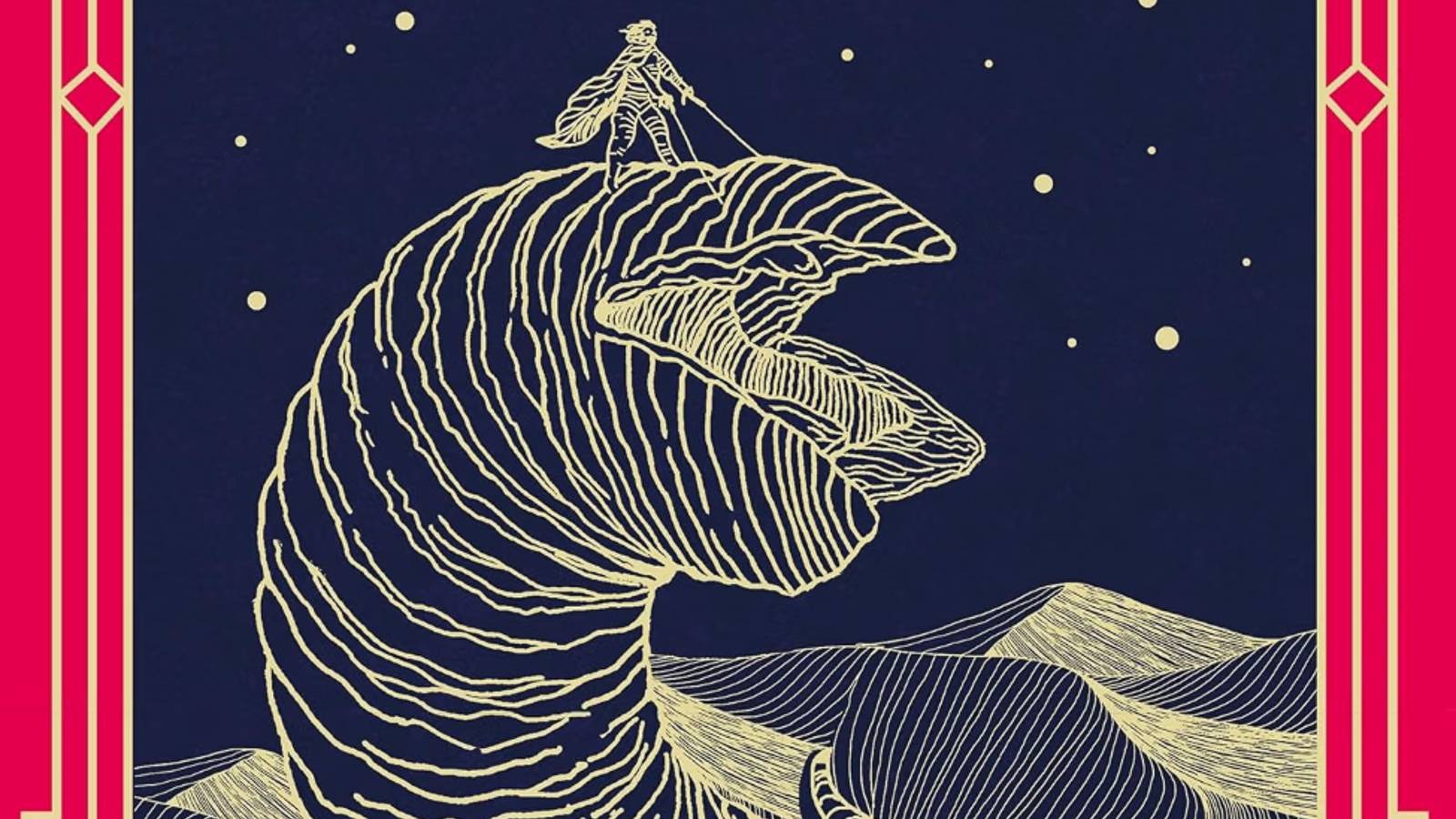
Frank Herbert's Dune didn't just change science fiction; it detonated a literary bomb that still reverberates. The 1965 novel tore up the rulebook on space opera, replacing clean-cut heroes with a morally complex protagonist who wades through blood to claim an empire. But it was the 1969 sequel, Dune Messiah, that truly exposed the rot at the core of Paul Atreides' messianic rise. And at the heart of that darkness lies a single, unforgettable line—one that draws a direct line between Paul and one of history's most monstrous figures.
The Weight of a Galactic Jihad
Set twelve years after the original novel, Dune Messiah finds Paul ruling as Padishah Emperor, his Fremen armies having swept across the universe in a holy war that has left 61 billion dead. The Fremen, once a proud desert people, have become fanatics beyond Paul's control. He sees the carnage as the least catastrophic path for humanity, but the cost is staggering. Meanwhile, a conspiracy brews among the Bene Gesserit, the Spacing Guild, and the Tleilaxu, who plot his downfall with a resurrected Duncan Idaho and the reluctant help of his wife, Princess Irulan.
The Quote That Haunts
In Chapter 9, Paul sits with his advisors, Stilgar and Korba, reviewing the atrocities committed in his name. He casually mentions Genghis Khan and Hitler, noting they "killed the way I kill"—by sending fanatical followers to do the dirty work. Their death tolls—4 million and 6 million—pale next to Paul's own numbers: 61 billion dead, 90 planets sterilized, 500 worlds demoralized, and 40 religions wiped out. When Korba tries to justify the slaughter by calling the victims "unbelievers," Paul rejects the excuse. Then, with a laugh that isn't a laugh, he delivers the line that still sends shivers: "I am not amused. I merely had a sudden vision of the Emperor Hitler saying something similar. No doubt he did."
Why It Still Stings
The power of this moment lies in its brutal self-awareness. Paul isn't gloating; he's stating a fact. He knows he has become the very thing he once fought against. By invoking Hitler, Herbert drags the abstract horror of Paul's war into the realm of our own history. We know what Hitler represents—the ultimate evil, the cautionary tale of unchecked power. Paul's casual comparison forces us to confront the uncomfortable truth that even a "chosen one" can become a monster. It's a gut punch that has lost none of its force over the decades.
This line is a cornerstone of Herbert's critique of messianic figures, a theme that resonates just as strongly today. It's a reminder that hero worship can be a dangerous trap, and that the line between savior and tyrant is thinner than we'd like to think. For fans of the Dune saga, it's a moment that defines Paul's tragic arc—and it's one that the upcoming film adaptation will have to handle with care if it wants to capture the same chilling effect.
Herbert's willingness to draw parallels between his fictional universe and real-world atrocities is what elevates Dune beyond typical sci-fi. It's a story that asks hard questions about power, faith, and the cost of destiny. And Paul's Hitler comparison remains one of the most potent examples of that interrogation. As we await the next chapter in the cinematic saga, it's worth revisiting the original text—and letting that line sink in all over again.