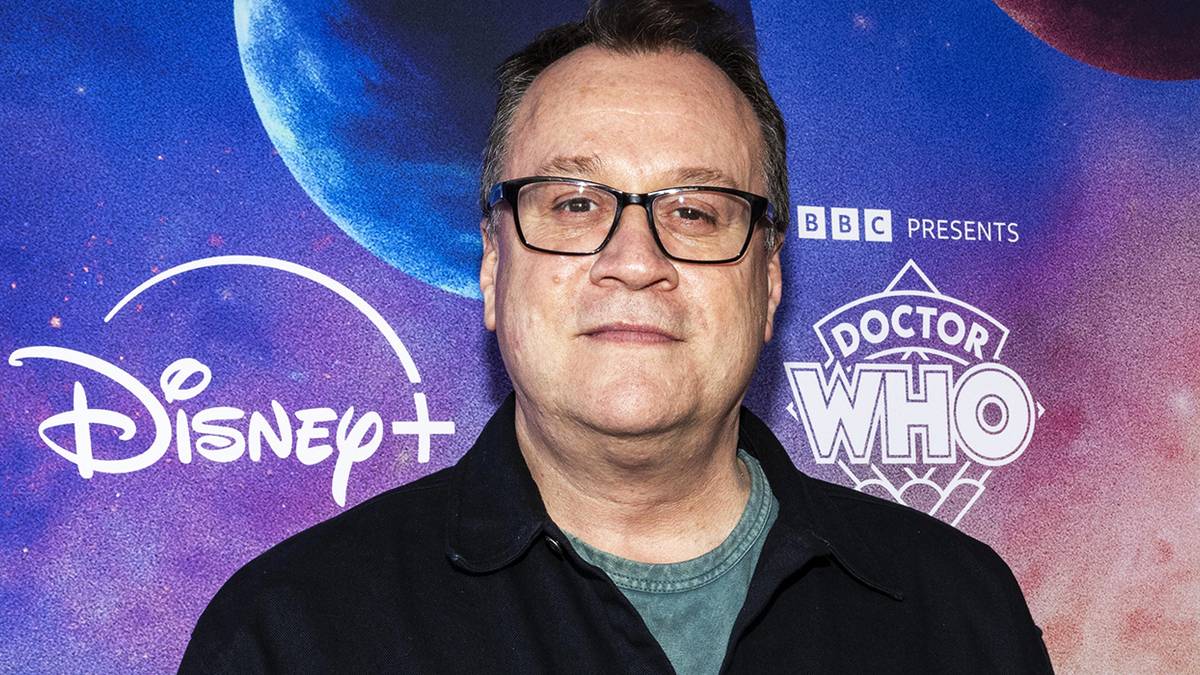
The Doctor Who fandom has been through the wringer lately. After the triumphant return of showrunner Russell T Davies, the excitement of David Tennant and Catherine Tate reprising their roles, and the promise of a Disney partnership, it felt like the beloved series was finally back on track. But then came a series of setbacks: the Disney deal fizzled, Ncuti Gatwa's Doctor exited under mysterious circumstances, and the show was put out to competitive tender, with Davies stepping down. Now, the BBC's new director-general, Matt Brittin, has stirred the pot by suggesting that artificial intelligence could play a role in future episodes, sparking outrage among fans. And Davies has finally broken his silence on the matter.
In a recent appearance on BBC Breakfast, Davies was asked about the AI-generated Doctor Who episode that Brittin had mentioned. His response was characteristically blunt: "Don't start me on that. If you lead me into an opinion on artificial intelligence, it'll chase me for the rest of my life and get quoted at me." But he didn't stop there. He went on to share his thoughts on the broader implications of AI in creative fields, warning that we might be witnessing "the end of copyright."
Davies acknowledged that fans are now creating their own episodes using AI, and some of them are almost broadcast quality. He drew a parallel to his own childhood, when he used to draw episodes of Doctor Who for fun. "No one was stopping me doing that," he said. But the difference, of course, is that AI-generated content can be distributed widely and potentially infringe on the rights of creators. It's a complex issue, and Davies seems to be sounding the alarm about the potential consequences.
The controversy began when Brittin, speaking at the Royal Television Society's London convention, revealed that someone had sent him a 50-minute AI-generated episode of Doctor Who. "It's pretty good," he remarked, seemingly open to the idea of using AI in the show's future. For a fanbase already disillusioned by the show's uncertain future, this was the last straw. The idea of a beloved series being handed over to machines, even partially, was too much to bear.
Meanwhile, the future of Doctor Who remains up in the air. The show is expected to be off the air until 2028 or 2029, marking the longest hiatus since its cancellation in 1989. But there might be a light at the end of the time tunnel. According to recent reports, Jed Mercurio, the creator of Line of Duty, has submitted a proposal to take over the series through his production company, Hat Trick Mercurio. Mercurio is no stranger to sci-fi, having created the 1998 BBC series Invasion: Earth. He's currently the frontrunner to get the keys to the TARDIS, though other bids are still in play.
As fans wait for official word, the debate over AI in Doctor Who is likely to continue. Davies' warning about the end of copyright is a stark reminder of the challenges facing the entertainment industry as technology advances. For now, Whovians can only hope that the next chapter of the series will be guided by human creativity, not algorithms. Stay tuned for more updates as this story develops.