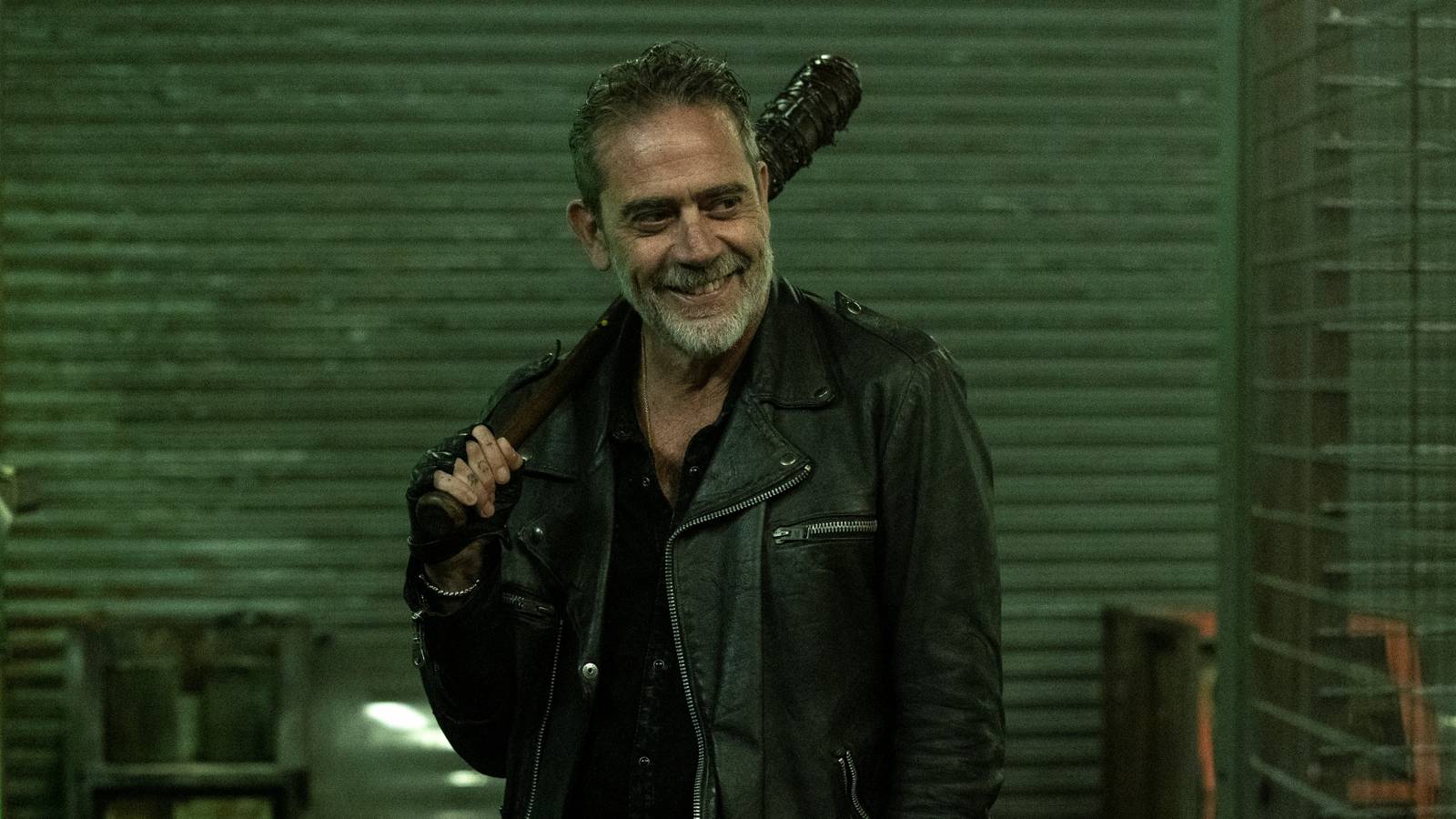
The penultimate episode of The Walking Dead: Dead City Season 3, titled "Hourglass," delivered a gut-wrenching turn for Dillard (Jimmi Simpson), pushing him from eccentric hermit to full-blown villain. After Negan (Jeffrey Dean Morgan) kills Dillard's beloved walker pets, the emotional fracture becomes irreparable, setting the stage for a revenge mission that could spiral even further before the season finale.
In a recent interview with Collider, Simpson delved into Dillard's tragic backstory, his unlikely bond with Negan, and the moment everything shattered. He also revealed why Dillard's path to darkness was inevitable, and why he wouldn't change a thing about his character's arc.
A Peaceful Life, Shattered
Simpson explained that Dillard had found genuine contentment in his isolated world, surrounded by his walker companions. "Dillard found a real peace because of his really tragic history in the human world before this particular apocalypse," he said. As a former police officer, Dillard was disillusioned by human cruelty, finding solace in walkers whose intentions were clear and honest. "They don't lie," Simpson noted, adding that Dillard was "actually very happy" in his hermit-like existence.
When Negan stumbled into his bar, the two outcasts connected over their shared experiences of being misunderstood. "We've both been doubted by a lot of people, so we have that in common," Simpson said. Their friendship was "mutually beneficial," with Negan showing Dillard that humans could be trusted. "It only would have kept on going," Simpson mused, painting a picture of a sweet, simple life that was cruelly snatched away.
The Breaking Point
The pivotal scene in Episode 7, where Dillard returns to find Fabian's bloody body and Negan shooting his walkers, was a masterclass in emotional devastation. Simpson praised the writing for grounding every beat in character truth. "Neither Negan nor Dillard strayed from who they are," he said. Negan, hardened by years of survival, acted on instinct, while Dillard's worldview—that walkers deserve compassion—clashed violently with Negan's pragmatism.
For Simpson, the walkers were more than just pets; they were Dillard's family. "They've never lied to him, tricked him, or done anything like that," he explained. By killing them, Negan also destroyed their friendship, which represented "the undiscovered country for Dillard of love." It was a double betrayal that cracked his mind and broke his heart.
"To break all those things at once was the perfect way to crack a human being's mind and to break their heart," Simpson said. The subsequent scene, where Dillard cuts his own face and blames someone else, was "a perfect articulation of his emotional interior." Like any heartbroken person, Dillard wanted Negan to feel the same pain, igniting his mission for revenge.
Why Dillard's Villainy Works
Simpson credits the show's writers for crafting a villain turn that feels earned and tragic. "I thought the writers just set it up beautifully," he said, adding that his real-life bond with Jeffrey Dean Morgan infused their on-screen relationship with authenticity. "Jeffrey and I just fell in love with each other as bros," he revealed, making the clash of belief systems even more impactful.
As the season hurtles toward its finale, Dillard's path seems set. Simpson wouldn't have it any other way. "I wouldn't have wanted to change where Dillard ends up," he said, embracing the character's tragic arc. For fans of slow-burn character studies, Dillard's descent is a highlight of the season.
With only one episode left, the question remains: how far will Dillard go? And can Negan survive the wrath of a man who has lost everything? Tune in to see the explosive conclusion.