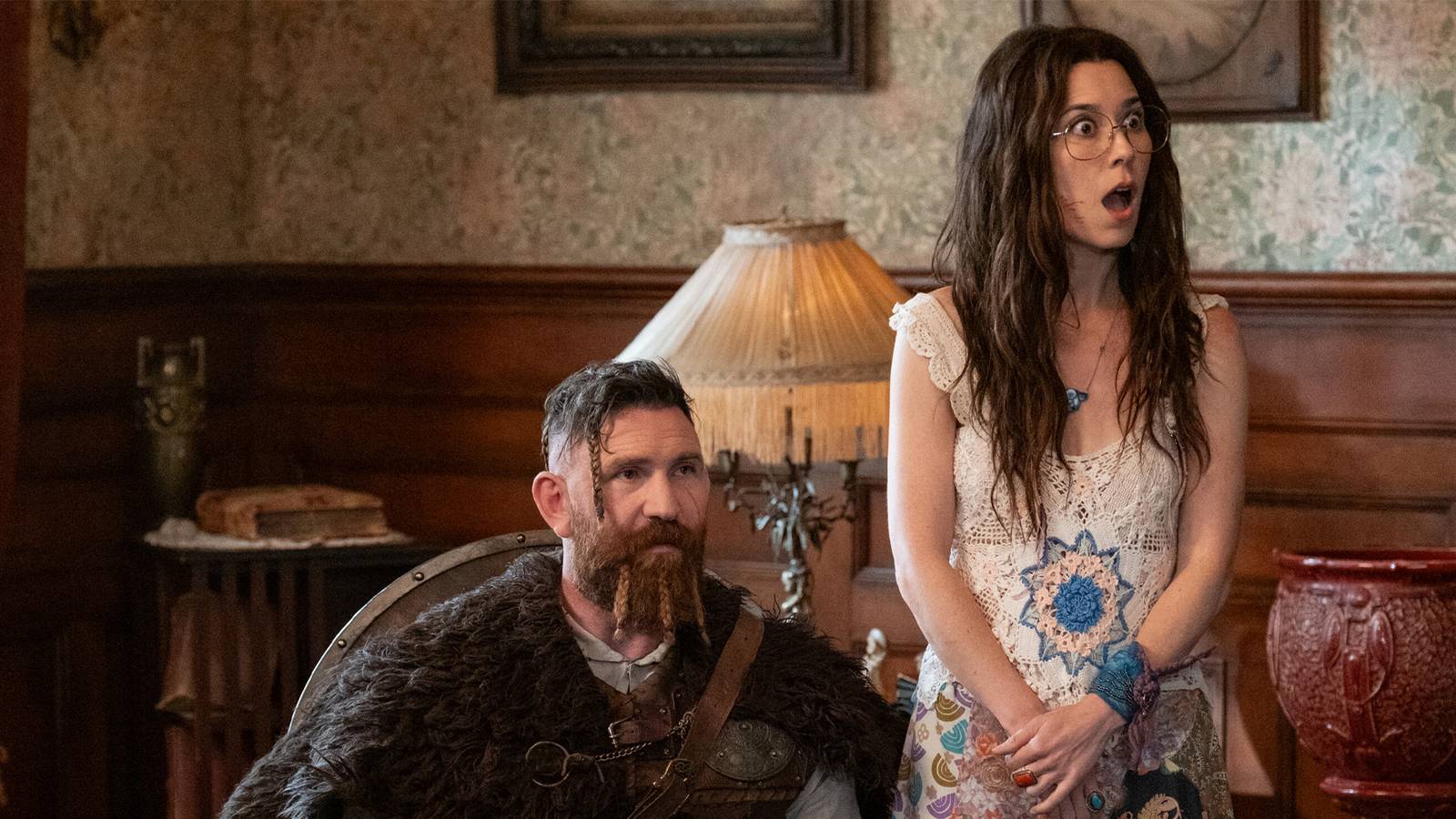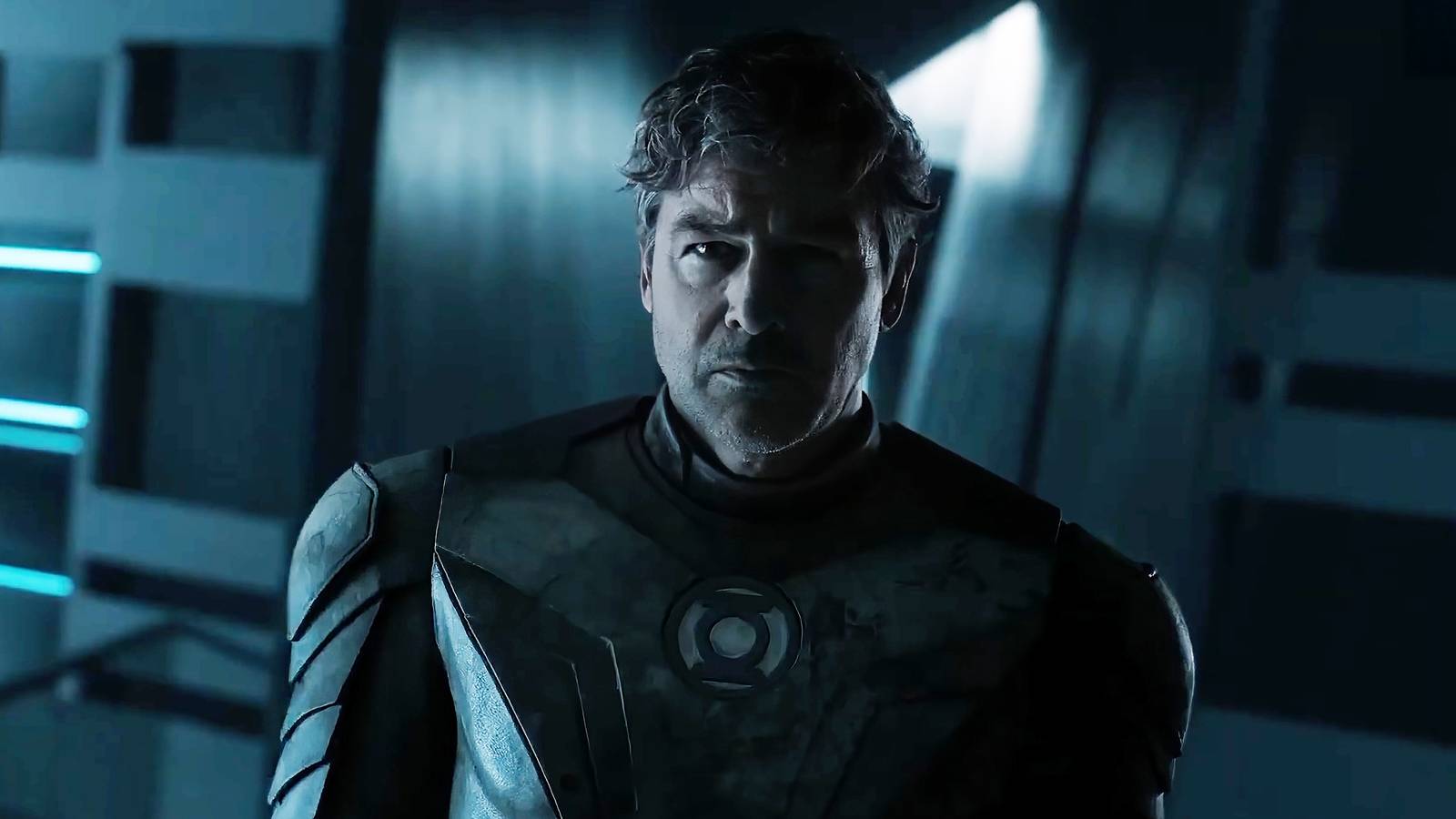
The DC Universe is at a crossroads. With James Gunn and Peter Safran officially stepping down as co-heads of DC Studios, and Jeremy Latcham taking the reins, the big question on everyone's mind is whether the new boss will keep saying yes to ideas as wonderfully weird as Lanterns and Clayface. These two projects weren't just superhero stories—they were genre experiments that redefined what a comic book adaptation could be.
Take Lanterns, for instance. The show opens with Hal Jordan (Kyle Chandler) signing autographs at a taco stand when he gets a tip about possible alien activity in Nebraska. He jets off to investigate, leaving John Stewart (Aaron Pierre) to fend for himself, and lands at a crime scene where Sheriff Kerry Kane (Kelly Macdonald) is firmly in charge. Hal sees the possibility of aliens as the obvious reason a Green Lantern should be there. Kerry, on the other hand, sees a stranger who owes her answers about the dead people in her town. The brilliance of Lanterns is how long it lets these two perspectives coexist—Hal's cosmic knowledge versus Kerry's local wisdom—and how it forces Hal to earn the right to hear what Rushville has to say.

That delicate balance is worth pondering now that Gunn and Safran are moving on. They'll still be involved with Man of Tomorrow, and there may be future collaborations, but their most significant contribution to DC was giving other creators the freedom to decide what a story in this universe could be. Lanterns took that freedom and ran with it, turning a murder investigation into a crucible that shapes John Stewart's identity as a Green Lantern. There's a world of difference between approving a crime drama with a superhero in it and trusting that crime drama to have a say in who the hero becomes.
'Lanterns' Lets a Murder Mystery Define John Stewart's Heroism
The first time John sees Hal, he's a kid watching him on TV, idolizing one of Earth's champions. Years later, John gets the less glamorous experience of working for someone he once admired. Hal has worn the ring long enough to enjoy testing whether John can handle himself, and there's a painful echo of John's childhood—his father used to shoot apples off his head. The boy holds still, and the person with the gun gets to call him fearless. You can see how John would grow up believing that how someone performs under pressure reveals everything about their inner feelings.
Then Hal dies, and John is left to investigate the life of a man he's still grieving, without really knowing how to do that properly. Making him a detective under these circumstances is almost cruel, because every answer he seeks as an investigator might be something he'd rather not hear as the kid who watched Hal on TV and, perhaps reluctantly, came to care about him as a person. By the time John gets one final conversation with a projection of Hal, the mystery has given him reasons to be angry and reasons to miss him. The finale sits with both emotions because the show has spent enough time with these two for either feeling to resonate.
That's why John's new oath struck such a chord with viewers. Acknowledging fear is a bold choice in a mythology that has an entire corps dedicated to it, and it's even more meaningful coming from someone who spent his childhood being praised for hiding his fear. A detective has to care about what someone is afraid of, especially when that fear might explain their actions. By letting John carry that understanding into his role as a Green Lantern, Lanterns makes its murder mystery integral to the kind of hero he'll be in every story that follows.
'Clayface' Gives Gotham to the Man Batman Would Be Looking For
It was a wonderfully mean twist to make the first person to show us around the DCU's live-action Gotham an actor going through the worst time in his life. Matt Hagen (Tom Rhys Harries) has every reason to believe people will treat him differently once they see what's happened to him. The prospect of getting his face back is so appealing that you can know exactly what kind of movie you're watching and still find yourself hoping the treatment works.
Director James Watkins told Collider that Gunn gave him the freedom to reinvent Gotham, and the most consequential thing he does with that freedom is decide whose suffering the city makes us look at first. There are plenty of Batman stories where Matt's transformation would be the awful thing that happens before the hero shows up, but Clayface spends a movie with Matt while he can still imagine getting his old life back. That approach makes what happens to his body feel worse the longer you've spent hoping he might be right, until the movie reaches its tragic end.
These projects also give audiences two different ways to get invested in DC. A horror fan can walk into Clayface wanting to see what Watkins does with one of the superhero genre's best uses of body horror. A crime drama fan can come to Lanterns because they want to know what happened in Rushville. By exploring other genres first and superheroes second, both found a way to make those types of fans leave caring about a character they might not have sought out on their own. That's a valuable thing for a shared universe to be able to do, especially when it has as many corners as DC does.
DC Could Keep Its Continuity and Still Lose Its Range
Lanterns and Clayface can share a universe without asking the audience to watch them for the same reasons. I wanted to know what happened in Rushville, and I wanted to see if Matt could get his face back. Those are not superhero questions—they're human ones. The superhero elements were the vehicle, not the destination. That's a rare and precious quality in a genre that often leans on spectacle over substance.
As Jeremy Latcham takes over, the challenge will be to preserve that creative range while maintaining the interconnected continuity that fans expect. It's one thing to keep the timeline straight; it's another to keep the stories weird, personal, and willing to take risks. The DCU has always been at its best when it embraces the strange, the unexpected, and the deeply human. Whether the new leadership understands that will determine if Lanterns and Clayface are the beginning of a bold new era or the last gasp of a daring one.