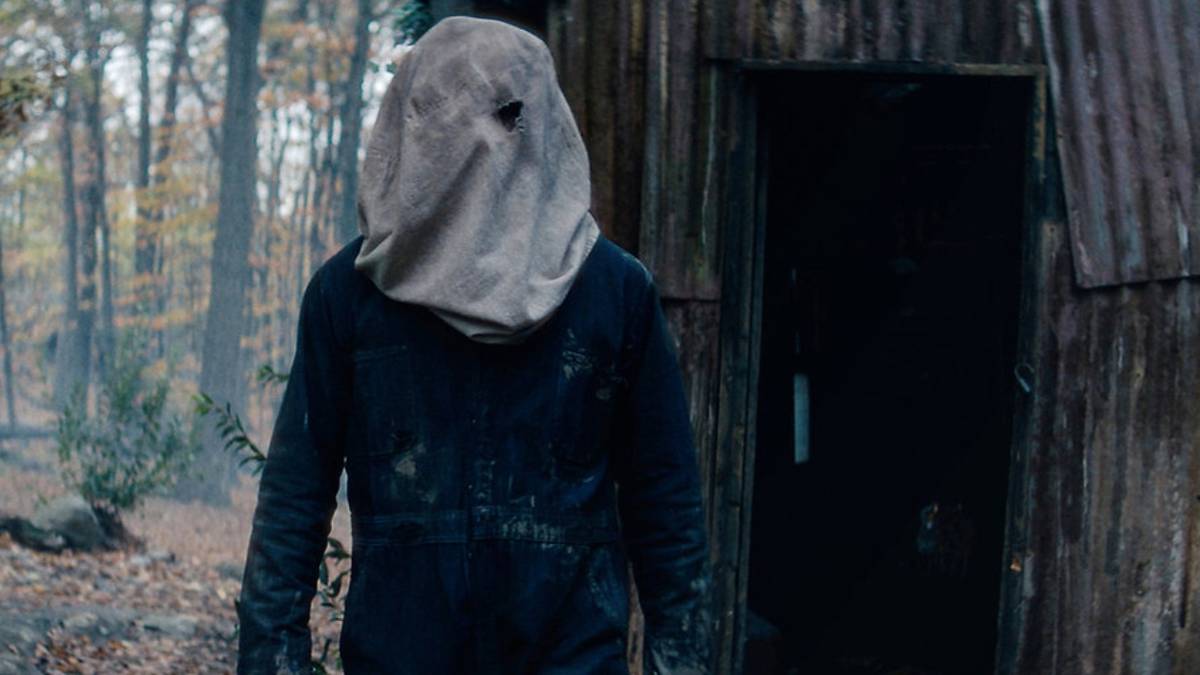
The 1980s slasher boom was defined by three iconic boogeymen: Michael Myers, Freddy Krueger, and Jason Voorhees. While Halloween and A Nightmare on Elm Street eventually tried to explain their killers' supernatural abilities—Michael's cult-driven rage in the Thorn trilogy, Freddy's dream demons—Friday the 13th largely kept its monster a mystery. For eight films, Jason was simply an unstoppable force in a hockey mask, and that simplicity worked. But now, A24's Crystal Lake, streaming on Peacock, attempts to rewrite his origin with a sci-fi twist that feels more like a misstep than a revelation.
When Friday the 13th Tried to Explain Jason
The franchise began with a twist: the killer was Pamela Voorhees, avenging her drowned son. After her death, Jason returned as an adult, stalking camp counselors in sequel after sequel, dying and resurrecting without explanation. That ambiguity was part of his appeal—he was a force of nature, not a character with a backstory.
But when the rights moved to New Line, the studio wanted a change. 1993's Jason Goes to Hell: The Final Friday introduced the idea that Jason was possessed by a demon that could jump between bodies, requiring a magical dagger to defeat. Fans rejected the over-explanation, feeling it stripped away the character's mystique. The 2003 crossover Freddy vs. Jason added another odd layer, giving Jason a fear of water—a bizarre choice for a killer who spent his life near a lake.
Crystal Lake's Project Argonaut
Crystal Lake seemed like a return to grounded storytelling, expanding on Pamela's grief and her son's drowning. But instead of staying rooted in the familiar, the series introduces a new element: Jason's father, Elias Withering, a quiet worker at Bellflower Chemical. When Pamela suffers a miscarriage, Elias reveals that the baby survived—and he's been part of a secret government program called Project Argonaut, designed to create humans who can withstand nuclear fallout.
This means Jason is born with a deformed head but already possesses powers from the experiments. When he accidentally drowns as a baby, he revives as if nothing happened. The show quickly reveals that Jason is just one of many test subjects, turning the iconic killer into a lab-created mutant rather than a tragic figure.
Why This Twist Misses the Mark
Horror thrives on the unknown. Jason Voorhees was scary because he was inexplicable—a relentless killer who couldn't be stopped, and no one knew why. Crystal Lake replaces that mystery with a convoluted sci-fi explanation that not only makes Jason more sympathetic but also reduces him to a government experiment. It's a twist that doesn't align with the franchise's roots and feels like a desperate attempt to be clever.
Fans of the original films never needed an origin story. They accepted Jason's immortality as part of the genre's rules. By trying to rationalize his powers, Crystal Lake undermines the very thing that made him terrifying. The show's decision to focus on his father and Project Argonaut is a bold swing, but it's one that misses the mark, leaving viewers with a Jason who feels less like a horror icon and more like a science project gone wrong.
For more on how Crystal Lake reimagines the franchise, check out our analysis of its shocking opening kill. And if you're in the mood for a different kind of twist, see how Now You See Me pulls off a heist thriller with style.