Most crime dramas are built around the detectives, with the bad guys serving as little more than plot devices. But a handful of shows have dared to flip the script, putting the criminals in the spotlight and letting viewers see the world through their eyes. The result is often uncomfortable, fascinating, and strangely addictive—because we end up rooting for characters we know we shouldn't. Here are the best crime shows told from the criminal's perspective, ranked.
5. Ozark (2017–2022)
Jason Bateman's Marty Byrde doesn't look like a criminal—he's a mild-mannered financial advisor from Chicago. But he's been laundering money for a Mexican drug cartel for years. When his partner gets caught skimming, Marty makes a desperate deal: he'll move his family to the Lake of the Ozarks and set up a bigger operation there. The locals, though, are just as dangerous as the cartel.

What makes Ozark so gripping is that it never asks you to like Marty. You just watch him survive one impossible situation after another. The real standout is Laura Linney's Wendy, who starts as a reluctant wife and slowly becomes the most ruthless person in the story. Equal parts family drama and crime thriller, Ozark keeps you on edge until the very end.
4. Dexter (2006–2013)
Michael C. Hall plays Dexter Morgan, a blood spatter analyst for Miami PD by day and a serial killer by night. But he only kills other murderers—thanks to a code taught by his adoptive father. The show's secret weapon is Dexter's voiceover narration, which makes him feel almost like a friend. You start making excuses for him, just like he does for himself.
The series peaked in Season 4, when Dexter faces off against John Lithgow's terrifying Trinity Killer. Though the finale divided fans, Dexter paved the way for every antihero that followed. It's a must-watch for anyone who loves a morally complex protagonist.
3. Better Call Saul (2015–2022)
Before he was Saul Goodman, he was Jimmy McGill—a struggling lawyer trying to escape his con-man past. Better Call Saul shows how Jimmy's good intentions slowly crumble, thanks to his own shortcuts and the pressure of his brilliant brother Chuck. Watching it is like witnessing a slow-motion car crash: you see the danger long before Jimmy does.
The show's emotional core is Jimmy's relationship with Kim Wexler (Rhea Seehorn), a lawyer who loves a good scheme as much as he does. Their story is heartbreaking, and it makes the transformation into Saul Goodman all the more tragic. Many fans argue this spinoff is even better than Breaking Bad—and it's easy to see why.
2. The Sopranos (1999–2007)
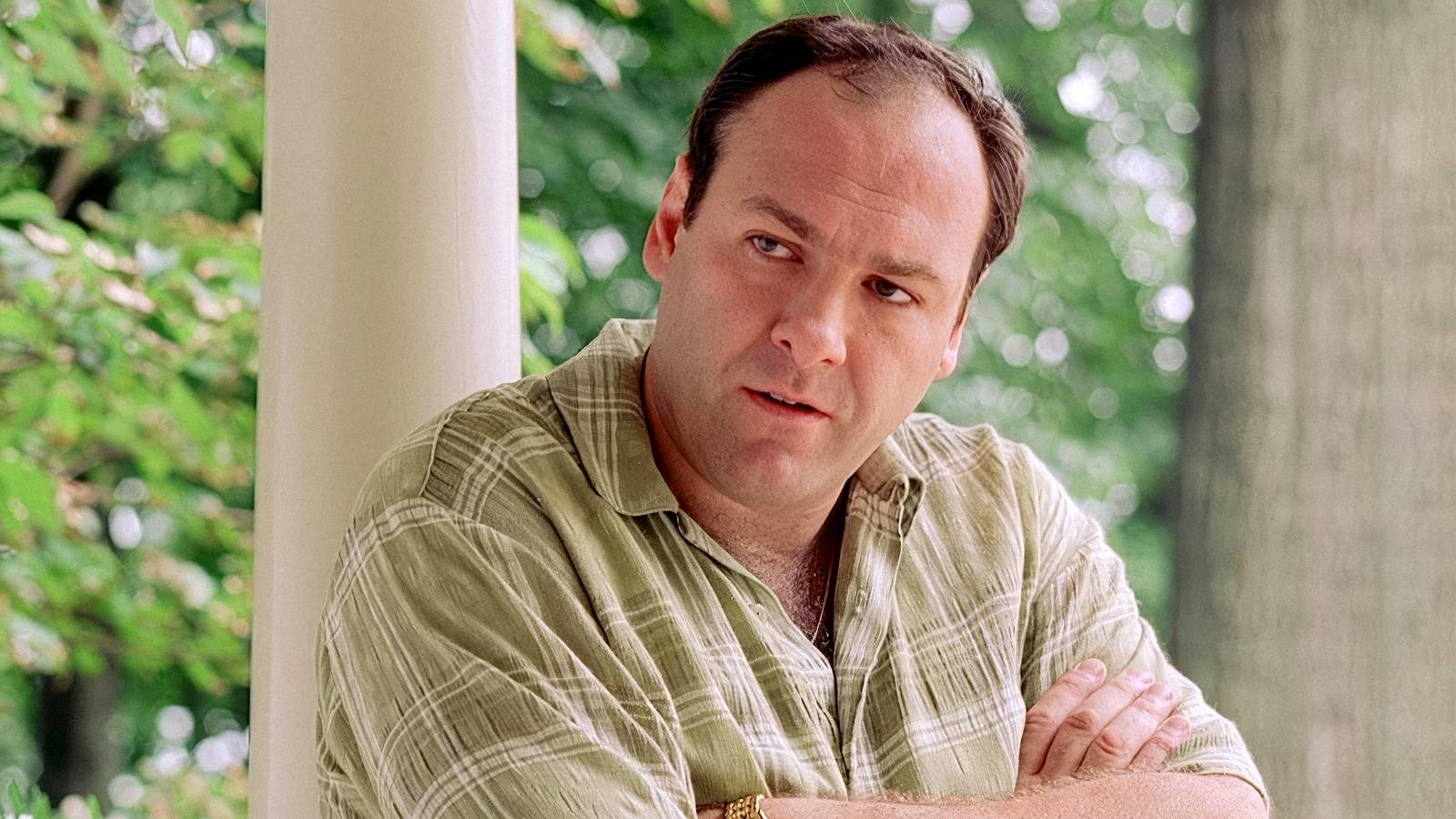
Tony Soprano (James Gandolfini) is a mob boss who starts seeing a therapist, Dr. Jennifer Melfi (Lorraine Bracco), to deal with his panic attacks. Those sessions give us a front-row seat to the mind of a man who hides his feelings behind anger. Tony is charming and funny one minute, then horrifying the next—and Gandolfini makes both sides feel utterly real.
The show changed TV forever by making us empathize with a killer. It's a masterclass in moral ambiguity, and it's still one of the greatest dramas ever made. If you haven't seen it, you're missing out on a piece of television history.
1. Breaking Bad (2008–2013)
Walter White (Bryan Cranston) starts as a high school chemistry teacher diagnosed with cancer. To secure his family's future, he begins cooking meth—and slowly transforms into the ruthless drug lord Heisenberg. The show is a brilliant study of how good people can become monsters when pushed to their limits.
What makes Breaking Bad the best of the bunch is its perfect balance of tension, character development, and moral complexity. You root for Walt even as he does terrible things, and the show never lets you forget the cost. It's a landmark series that redefined the antihero genre. For more great crime TV, check out our list of TV's most unforgettable serial killers.
These shows prove that sometimes the most compelling stories are told from the other side of the law. Whether it's a suburban dad turned drug lord or a serial killer with a code, they make us question our own loyalties—and that's what great television is all about.