Clint Eastwood's legacy as a Hollywood icon is undeniable, but his work behind the camera is equally impressive. Among his directorial triumphs, Flags of Our Fathers stands out as a monumental achievement. Released 20 years ago, this World War II epic remains as impactful as ever, offering a haunting meditation on heroism, trauma, and the machinery of propaganda.
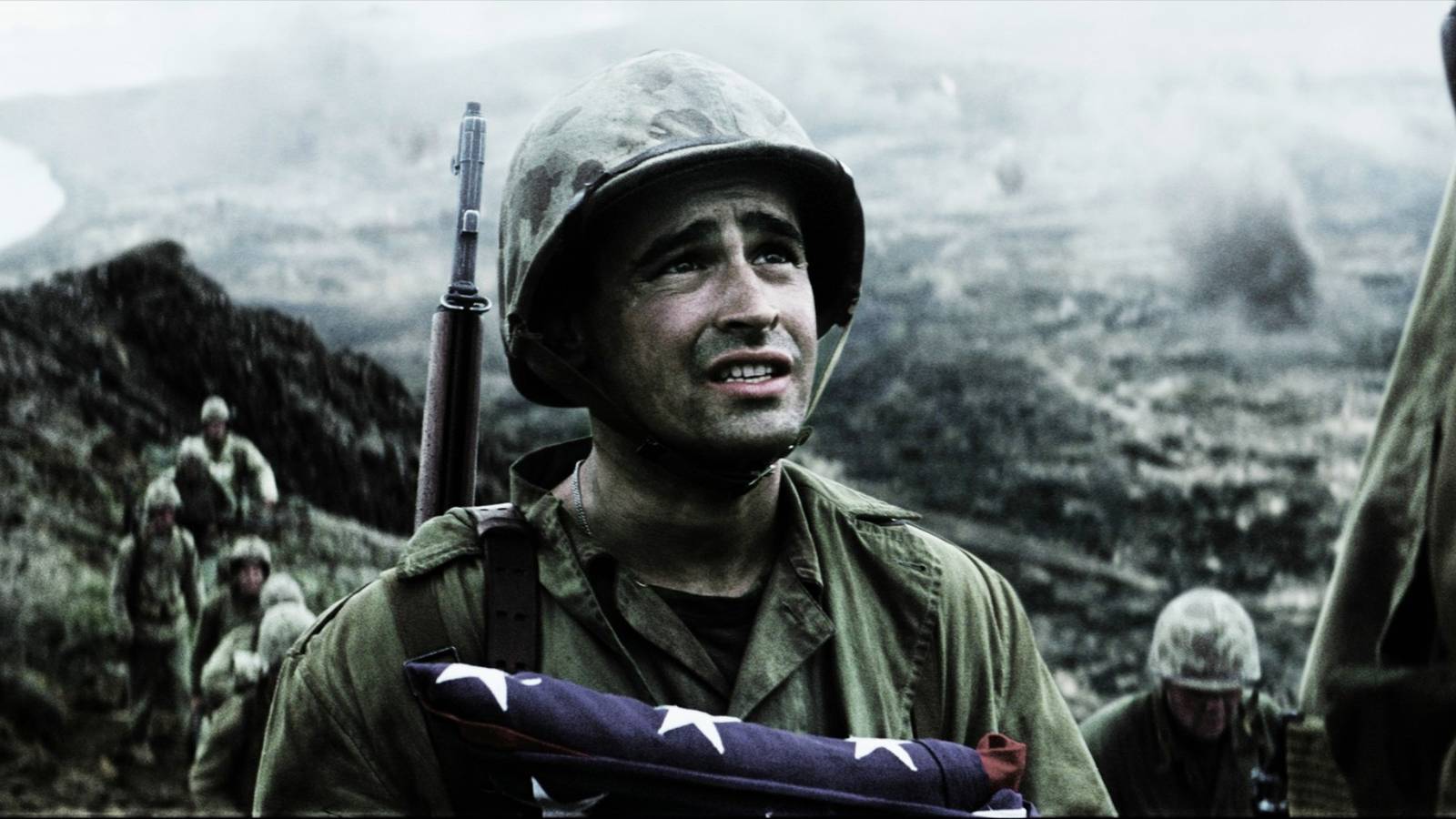
The film, based on the real-life Battle of Iwo Jima, tells the story from the American perspective. But unlike traditional war movies, it doesn't dwell solely on the combat. Instead, it shifts focus to the aftermath, exploring how the iconic flag-raising photo was used to sell war bonds and how the men in that photo—and others—were forever changed by their experiences.
Eastwood's direction is masterful, balancing visceral battle sequences with quieter, more introspective moments. The film's structure is unconventional, jumping between the chaos of battle and the somber reality of a nation's expectations. It's a bold choice that pays off, making Flags of Our Fathers more than just a war movie—it's a profound commentary on the cost of conflict.
The film also serves as a companion to Eastwood's Letters from Iwo Jima, which tells the same battle from the Japanese viewpoint. Together, they form a powerful diptych that offers a comprehensive look at the human toll of war. Watching both is a grueling but essential experience, a four-and-a-half-hour journey that leaves a lasting impression.
What makes Flags of Our Fathers so effective as an anti-war epic is its refusal to glorify violence. The combat scenes are brutal and chaotic, but the real horror lies in the psychological scars carried by the survivors. The film doesn't shy away from showing how the trauma lingers, making it a stark contrast to more romanticized portrayals of war.
Eastwood's ability to elicit powerful performances from his cast—including Ryan Phillippe, Jesse Bradford, and Adam Beach—adds to the film's emotional weight. Their portrayals of real-life soldiers grappling with guilt, loss, and the weight of national expectation are deeply moving.
Two decades later, Flags of Our Fathers remains a testament to Eastwood's skill as a filmmaker. It's a film that challenges viewers to think critically about how we remember and honor those who serve. For those who haven't seen it, it's a must-watch, especially when paired with its Japanese counterpart. For those who have, it's worth revisiting to appreciate its enduring relevance.
In an era where war films often lean into spectacle, Flags of Our Fathers stands out for its restraint and thoughtfulness. It's a reminder that the greatest war movies aren't about winning—they're about the cost.