Some action movies make you admire the stunt work. The greatest action thrillers make you forget there's a stunt team at all. You stop thinking about choreography, editing, or camera placement. You're simply trapped in the car, the building, the tunnel, the checkpoint, the bank, desperately calculating whether the person you care about has one decent option left.
That's the magic here: movement with consequence, violence with pressure behind it. Somebody runs because standing still means death, betrayal, failure, or watching another person pay for their mistake. These eight films keep tightening until even the smallest decision feels explosive.
Speed (1994)
Speed traps LAPD officer Jack Traven (Keanu Reeves) on a city bus rigged to explode if its speed drops below 50 mph. Bomber Howard Payne (Dennis Hopper) has designed the situation as both revenge and spectacle, leaving Jack, driver Annie Porter (Sandra Bullock), and a bus full of terrified passengers trying to survive Los Angeles traffic under rules that become more absurdly dangerous every minute.
The movie wastes no time pretending there's a sophisticated solution. Jan de Bont directed it like panic itself had learned how to drive. A freeway gap appears; the bus has to jump it. Annie becomes indispensable instead of merely somebody for Jack to rescue. And Hopper gives Payne exactly the right bitter, theatrical menace. Speed is ridiculous in premise and almost brutally disciplined in execution. Once the bus starts moving, the movie basically dares you to unclench.
The Bourne Ultimatum (2007)
Jason Bourne (Matt Damon) is still trying to understand the CIA program that turned him into a weapon when The Bourne Ultimatum pulls him toward the people responsible for his erased past. A journalist has uncovered information about Blackbriar, the successor to Treadstone, and Bourne starts following that trail while the agency tries to eliminate everybody who knows too much.
The Waterloo Station sequence remains one of the best demonstrations of intelligence under pressure. Bourne guides Simon Ross (Paddy Considine) through surveillance teams without being physically beside him, reading movement and danger faster than the CIA can coordinate it. Paul Greengrass keeps that urgency alive without losing Bourne's emotional objective. He's not trying to become the world's best assassin again; he's trying to understand why he became one at all. That difference makes every chase feel personal.
Sicario (2015)
FBI agent Kate Macer (Emily Blunt) joins a mysterious task force operating along the U.S.-Mexico border after being told she can help fight the cartel violence she's spent her career confronting. Sicario quickly makes it clear that Matt Graver (Josh Brolin) and Alejandro (Benicio del Toro) are playing by rules Kate doesn't understand, and nobody seems particularly interested in explaining them.
The border crossing alone is enough to recommend this movie. Nothing happens for what feels like forever, yet every stopped car looks like a threat. Denis Villeneuve helmed the film with a suffocating sense of uncertainty, but Alejandro is what really freezes the blood. He barely raises his voice because he doesn't need to. Kate spends the movie believing morality and procedure still have authority over the operation. Watching that belief get dismantled is more frightening than most gunfights.
The Raid (2011)
A heavily armed police team enters a Jakarta apartment block controlled by crime lord Tama Riyadi (Ray Sahetapy) and discovers almost immediately that the mission is compromised. Doors lock, residents are offered rewards for killing officers, and communications fail. The Raid follows rookie cop Rama (Iko Uwais) as one floor after another becomes a new survival problem.
Gareth Evans directed it with astonishing physical clarity. You understand where Rama is, who's coming at him, and exactly why the next room is worse than the previous one. Then Mad Dog (Yayan Ruhian) enters, and the whole movie seems to become offended by the existence of firearms. His later fight against Rama and Andi (Doni Alamsyah) is exhausting because nobody wins cleanly. People slip, adjust, take damage, improvise. By the end, the bodies look as tired as you feel watching them.
Mission: Impossible – Fallout (2018)
Ethan Hunt (Tom Cruise) chooses to save Luther (Ving Rhames) instead of securing stolen plutonium, and Mission: Impossible – Fallout spends the rest of its runtime punishing that decision. The missing material ends up tied to a larger terrorist plot, while CIA operative August Walker (Henry Cavill) is assigned to shadow Ethan and make sure sentiment doesn't compromise the mission again.
Christopher McQuarrie understands Ethan's core better than almost anybody who's handled the franchise. Ethan will risk thousands to save one person because he genuinely believes he can still save everyone. That flaw powers the whole movie. The bathroom fight is savage, the Paris pursuit moves like a fever, and the helicopter chase is absurdly real. But the action lands because every impossible stunt is another expression of the same problem: Ethan cannot walk away from someone in danger, even when walking away would be easier.
Heat (1995)
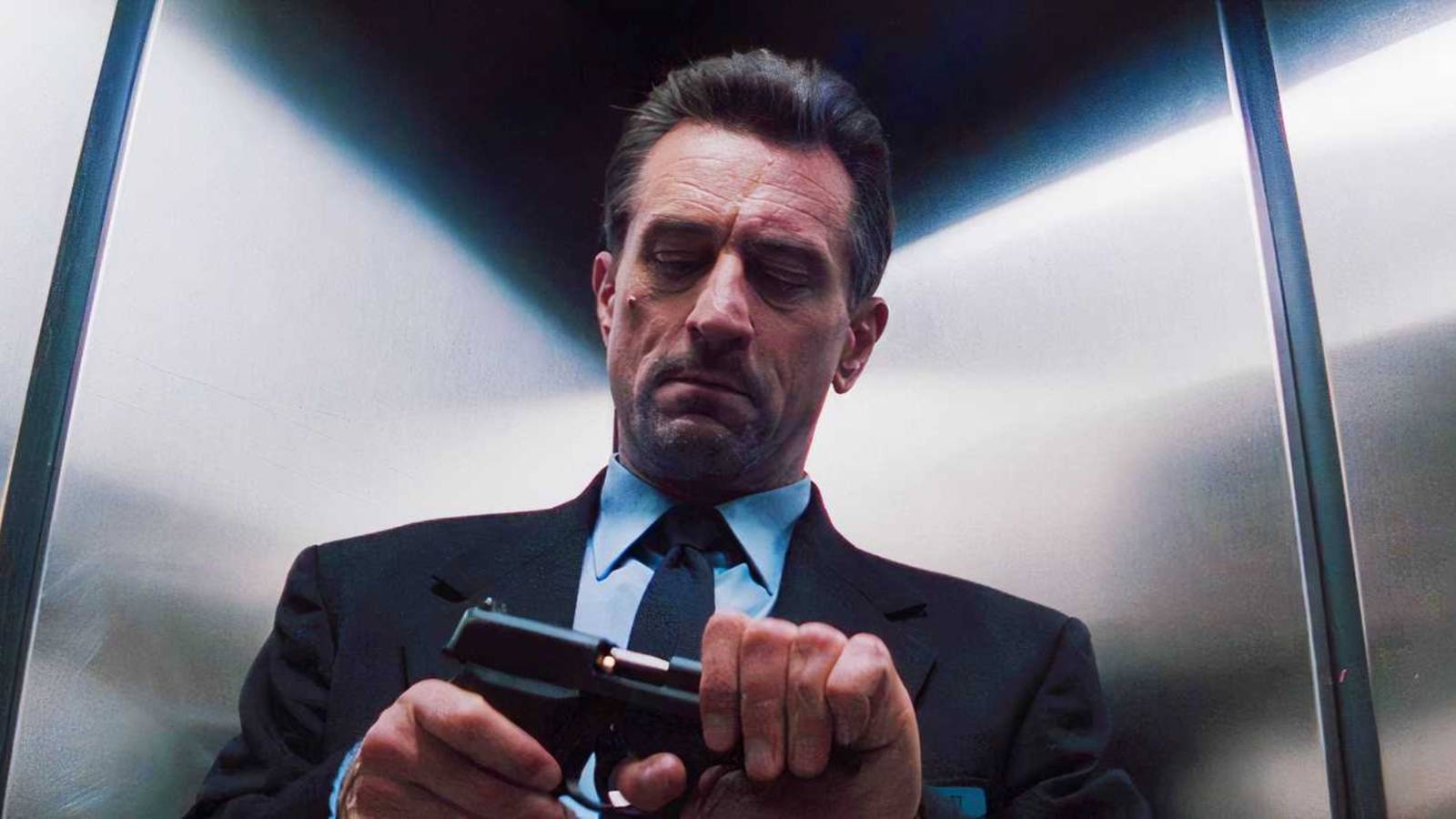
Heat follows master thief Neil McCauley (Robert De Niro) and LAPD detective Vincent Hanna (Al Pacino) as their lives gradually close around each other after a botched heist. The film's famous shootout in downtown Los Angeles is a masterclass in tension, but the real suspense comes from the philosophical duel between two men who recognize themselves in each other.
Michael Mann's direction is meticulous, letting every scene breathe with quiet menace. The coffee shop conversation between McCauley and Hanna is iconic, but the action sequences are equally gripping because they're grounded in character. McCauley's code—"Don't let yourself get attached to anything you are not willing to walk out on in 30 seconds flat"—is tested throughout, and the climax is as emotionally devastating as it is thrilling.
Die Hard (1988)
John McClane (Bruce Willis) is an NYPD cop visiting Los Angeles to reconcile with his wife, Holly (Bonnie Bedelia), when terrorists seize the Nakatomi Plaza during a Christmas party. Trapped on an upper floor, McClane becomes a one-man army, picking off the criminals one by one while communicating with the outside world via a walkie-talkie.
John McTiernan directs with a perfect balance of wit and grit. McClane is not a super-soldier; he's a regular guy who's bleeding, barefoot, and outgunned. The film's suspense comes from his vulnerability and the clever ways he outsmarts the highly trained Hans Gruber (Alan Rickman). The iconic line "Yippee-ki-yay, motherfucker" is just the cherry on top of a movie that redefined the action genre.
Mad Max: Fury Road (2015)
In a post-apocalyptic wasteland, Max Rockatansky (Tom Hardy) is captured by the warlord Immortan Joe and becomes a blood donor for a war boy. When Imperator Furiosa (Charlize Theron) goes rogue, taking Joe's five wives with her, Max is swept into a high-octane chase across the desert.
George Miller's film is a relentless symphony of practical stunts and visual storytelling. The plot is simple—a chase—but the character arcs are rich. Furiosa's quest for redemption and Max's reluctant heroism are conveyed through action and expression rather than exposition. The film's tension never lets up, and every explosion, every flip, every sandstorm feels earned. It's a masterpiece of pure cinema that proves action can be both art and adrenaline.
These films are perfect from start to finish because they understand that the best suspense comes from human pressure, not just explosions. Whether it's a bus that can't slow down, a building that's become a war zone, or a desert chase that never ends, each one keeps you on the edge of your seat until the very last frame.