
In the vast landscape of film, the drama genre is uniquely slippery. While action, sci-fi, and horror build dedicated fanbases, many powerful dramatic works quietly slip through the cracks. Some suffer from troubled releases or minimal promotion, while others simply defy easy categorization, making them hard to market and even harder for audiences to latch onto. The result is a graveyard of cinematic masterpieces, brilliant in execution but tragically absent from mainstream conversation.
Today, we're resurrecting six such films. These are not mediocre failures, but near-perfect dramas that, for one reason or another, have been largely forgotten. They hail from acclaimed directors and feature powerhouse performances, yet they linger in the shadows of more famous works. From the frozen battlefields of World War II to the gritty factories of Detroit, these stories demand to be remembered.
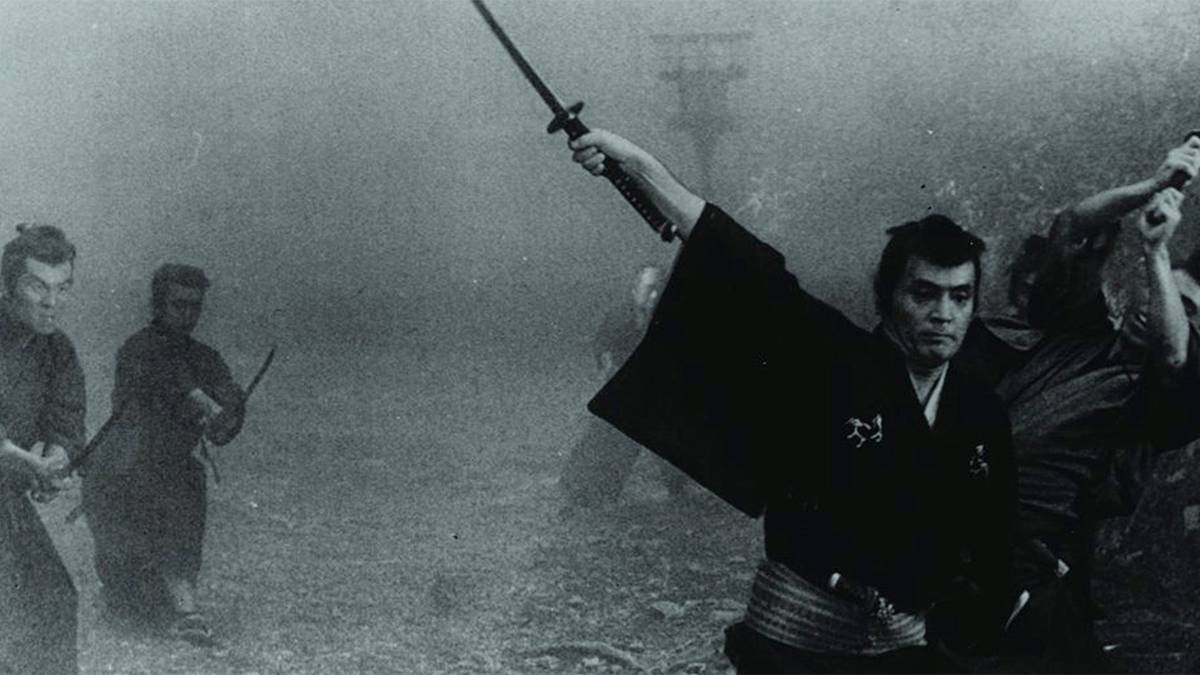
The Ascent (1977)
While Elem Klimov's Come and See has rightly been rediscovered as a harrowing Soviet war masterpiece, its equal remains in the shadows. Directed by Larisa Shepitko (Klimov's wife), The Ascent is a spiritual and physical ordeal captured in stark black-and-white. It was Shepitko's final film before her tragic death, and its production—shot in brutal Russian winter—imbues every frame with palpable suffering.
The story follows two Soviet partisans, Sotnikov and Rybak, captured by German forces. Their journey becomes a profound allegory of martyrdom and betrayal, evoking biblical imagery of Jesus and Judas within the moral vacuum of war. It's a punishing, beautiful, and cathartic film that stands as one of cinema's most powerful, yet underseen, war dramas.
Blue Collar (1978)
Paul Schrader, the writer of Taxi Driver, made his directorial debut with this incendiary look at union corruption. Blue Collar features a stunning dramatic turn from Richard Pryor, alongside Harvey Keitel and Yaphet Kotto, as three Detroit autoworkers pushed to their limit.
Frustrated by their exploitative union, the trio robs its headquarters, only to uncover a ledger detailing deep ties to organized crime. The fallout pits friend against friend under the crushing weight of institutional power. A gritty, furious snapshot of the Rust Belt, its themes of worker exploitation and systemic corruption remain fiercely relevant. For fans of complex character studies, this is a perfect companion to modern series like 'The Lowdown'.
City of Hope (1991)
John Sayles, the independent film maestro behind Matewan, crafted this sprawling, novelistic portrait of urban decay and interconnected lives. City of Hope weaves a dense tapestry of characters—from politicians and developers to cops and homeless citizens—in a crumbling Northeastern city.
Its plot revolves around a stalled housing development, exposing the racial tensions, political graft, and personal compromises festering beneath. While not a traditional thriller, its building tension and social critique offer a different kind of suspense, much like the intricate narratives found in single-season thriller series. The film is a masterclass in ensemble storytelling and social realism, yet it remains one of Sayles's most overlooked achievements.
Margaret (2011)
This urban epic from playwright-turned-filmmaker Kenneth Lonergan (Manchester by the Sea) became infamous for its years of legal battles and post-production turmoil, which severely limited its release. Margaret centers on Lisa, a Manhattan teenager (Anna Paquin) whose casual lie about a bus accident she witnesses spirals into a profound moral and legal quagmire.
Ambitiously scoped, the film uses this incident to explore guilt, grief, and the chaotic aftermath of 9/11 in New York City. With a sprawling cast including J. Smith-Cameron, Mark Ruffalo, and Matthew Broderick, it's a demanding, messy, and intellectually thrilling drama about the impossibility of closure. Its troubled history ultimately overshadowed its artistic triumph.
Leave No Trace (2018)
From director Debra Granik (Winter's Bone) comes this profoundly quiet and devastating modern masterpiece. Leave No Trace follows a veteran with severe PTSD (Ben Foster) and his teenage daughter (Thomasin McKenzie) who live off-grid in a vast Portland forest park. Their fragile existence shatters when authorities discover them, forcing them into society and threatening the only bond they have.
A film of immense empathy and minimal dialogue, it's a piercing study of trauma, freedom, and the painful process of growing apart. Both leads deliver career-best performances. Despite universal critical acclaim, it never broke through to a wide audience, making it a hidden gem of profound emotional resonance, perfect for those seeking cinematic catharsis.
He Got Game (1998)
Spike Lee's filmography is packed with iconic titles, but this sports drama often gets lost in the shuffle. He Got Game pairs Denzel Washington, as a prisoner named Jake, with real-life NBA star Ray Allen, playing his son Jesus, the nation's top high school basketball prospect.
Jake is offered a reduced sentence if he can convince his estranged son to attend the governor's alma mater. Set against a powerful score by Aaron Copland and Public Enemy, the film is less about basketball and more about fathers and sons, the corrupting influence of fame, and the American dream's price. It's one of Lee's most emotionally direct and beautifully shot films, a perfect drama that deserves a spot in the cultural starting lineup.
These six films prove that cinematic perfection is no guarantee of immortality. Whether sidelined by distribution woes, genre ambiguity, or simply the relentless march of new content, they await rediscovery. They are not just forgotten films; they are essential viewing, offering the kind of rich, human storytelling that defines the very best of the drama genre.