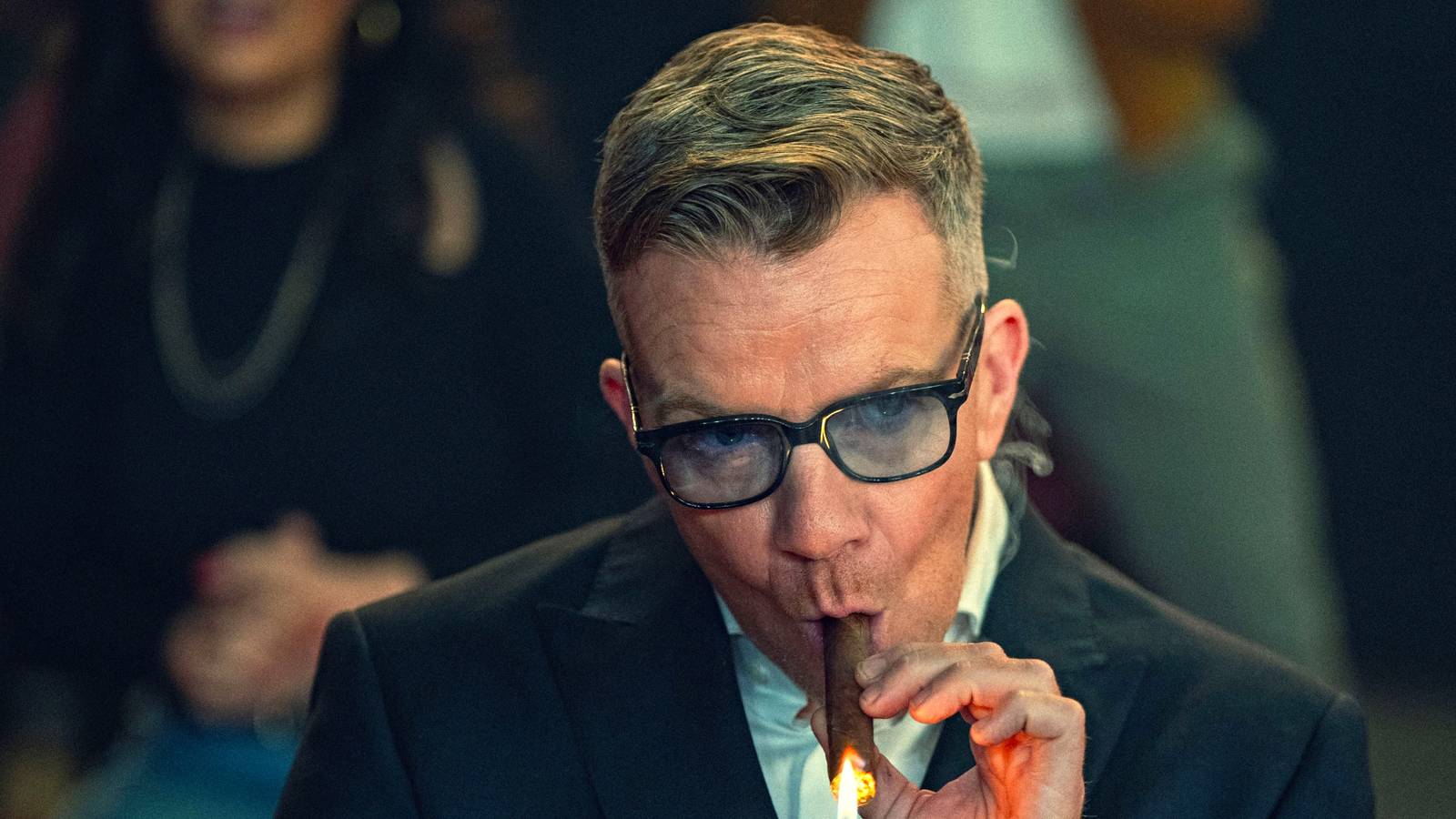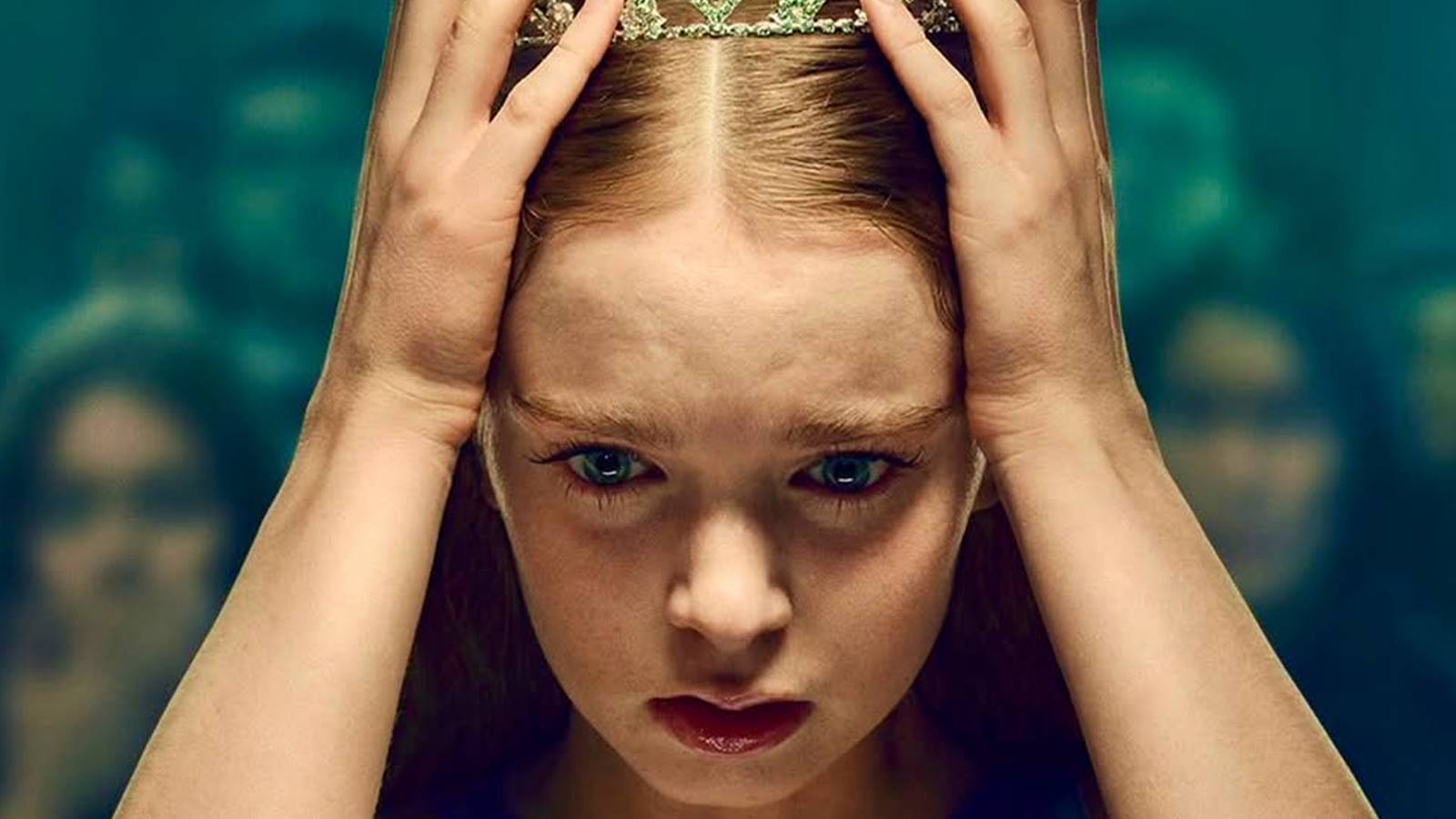
Prime Video has wasted no time in doubling down on its latest horror sensation. Just two weeks after Carrie premiered and rocketed to the top of the streaming charts, the platform has officially ordered a second season. For fans of Stephen King's original 1974 novel, this news might raise an eyebrow—after all, Carrie's story is famously finite. But for showrunner Mike Flanagan, it's exactly the outcome he had in mind.
Flanagan, who has built a reputation for reimagining horror classics with fresh eyes, previously told Collider that his "dream scenario" for the series was "a wonderful three-step arc." If anyone can stretch a 200-page novel into a multi-season saga, it's the mind behind The Haunting of Hill House and Midnight Mass. Yet this early renewal may have already started to chip away at the very essence of King's most beloved tragedy.
A Bold Reinvention—Until the Finale
Flanagan's Carrie was born out of a detour. While waiting to develop his passion project—a television adaptation of King's The Dark Tower—Prime Video suggested he tackle Carrie instead. The result is a transformative take that reimagines the story for a modern audience, with input from teenage consultants and a predominantly female creative team. The series breathes new life into the source material, adding layers of depth and exploring corners King never touched.
But here's the rub: the series deviates from the novel's devastating conclusion. In Flanagan's version, Carrie White (played by Summer H. Howell) survives the prom night massacre and is absolved of her role in the carnage. It's a merciful choice, similar to Guillermo del Toro's recent Frankenstein reimagining, but it softens the story's brutal, uncompromising core.
The Power of Simplicity
King's Carrie is a lean, mean tale of isolation, bullying, and revenge. Its power lies in its simplicity—a single, explosive night that changes everything. The novel ends with Carrie's death, but not before revealing that other women share her telekinetic gift. It's a haunting, bittersweet note that underscores her loneliness: she never gets to experience the strength in numbers that others might.
By expanding the story into a trilogy, Flanagan risks overcomplicating that elegant tragedy. The 2002 TV movie remake, written by Bryan Fuller, also let Carrie survive—partly because Fuller found killing her "too cruel," and partly because a sequel was planned. That sequel never materialized, but it would have followed Carrie and Sue Snell as they encountered other psychically gifted women. Flanagan's series is taking a similar path, introducing a group of psychic women in its first season.
A Missed Opportunity?
Some critics argue that Flanagan could have used Carrie as a launching pad for a Castle Rock-style anthology, weaving together King's vast universe and building toward The Dark Tower. Instead, he's chosen to extend Carrie's personal story, which may dilute the impact of her isolated, tragic arc.
There's no denying Flanagan's talent and his thoughtful approach to horror. But Carrie is a story that works best as a self-contained, harrowing experience. Its enduring power comes from its focus on one abused, superpowered girl who never stood a chance. By turning her survival into a season-long saga, Prime Video risks turning a timeless classic into just another franchise.
As the series moves forward, fans will be watching closely. Will Flanagan's three-act structure elevate the story, or will it stretch it too thin? Only time will tell. For now, the renewal is a testament to the show's popularity—and a gamble on whether more Carrie is what audiences really need.