After the monumental success of Breaking Bad and the critical darling Better Call Saul, showrunner Vince Gilligan took a bold detour with his latest project, Pluribus. Premiering on Apple TV+ in 2025, this sci-fi black comedy trades the high-octane thrills of his previous work for a slower, more introspective exploration of human nature. The result is a series that has divided audiences but has also sparked deep conversations about the cost of a frictionless existence.
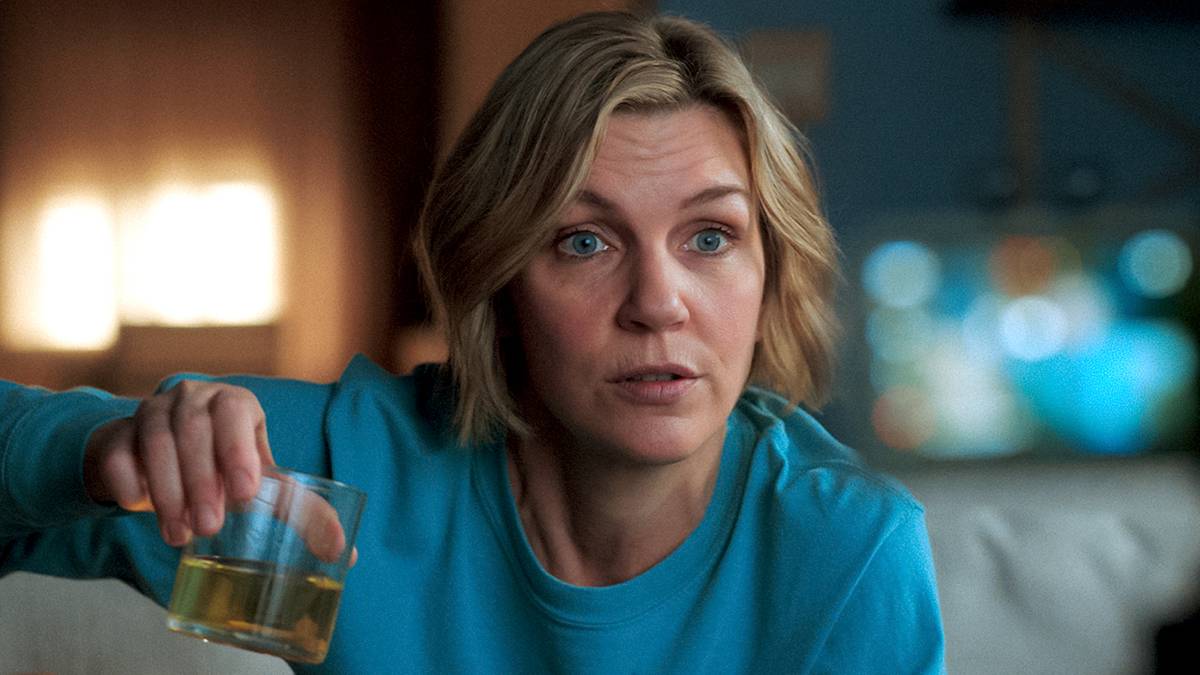
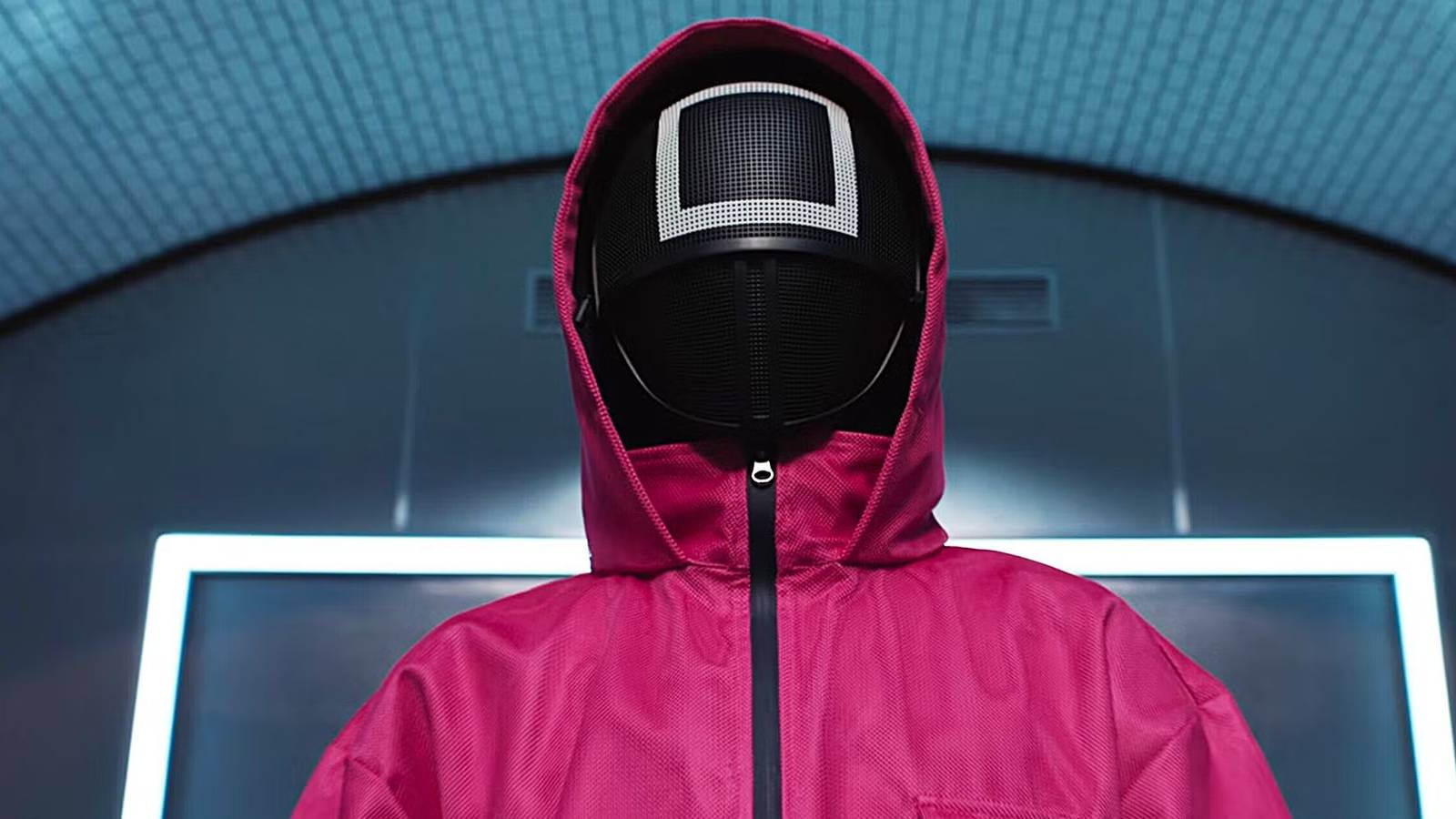
At the center of this philosophical storm is Carol Sturka, played with biting wit by Rhea Seehorn, who became a fan favorite in Better Call Saul. Carol is a cynical novelist who writes romance books she secretly despises, and she finds herself as one of the few immune humans in a world overtaken by the "Others"—benevolent, hive-minded entities that exist solely to cater to her every whim. While this might sound like paradise, for Carol, it's a nightmare of enforced positivity and hollow perfection.
In the penultimate episode of Season 1, "Charm Offensive," Carol reaches her breaking point. Torn between finding a cure with her ally Manousos (Carlos-Manuel Vesga) and her growing feelings for her assigned companion Zosia (Karolina Wydra), she delivers a line that cuts to the core of the series: "I miss being wrong. Being wrong was the most human thing I ever did." This moment of vulnerability strips away Carol's cynicism and reveals a profound truth about the world Gilligan has built.
This quote is the key to understanding Pluribus. In a world where everyone is endlessly agreeable and every desire is instantly fulfilled, Carol yearns for the messiness of reality—the mistakes, the disagreements, the imperfections that make us human. The series uses the "Others" as a metaphor for the modern obsession with curating a perfect, flawless life, whether through social media filters, algorithmic echo chambers, or the relentless pursuit of happiness without struggle.
Gilligan's critique is sharp: if we eliminate all friction from our lives, do we lose something essential? The show suggests that our flaws and failures are not just inevitable but vital to our humanity. Carol's longing to be wrong is a rebellion against a society that has sanitized away all discomfort, leaving only a hollow, sterile contentment.
This theme resonates beyond the screen, tapping into contemporary anxieties about AI, social isolation, and the dopamine-driven loops of digital life. As we increasingly outsource our decisions and emotions to algorithms, Pluribus asks whether we are becoming more like machines—efficient, predictable, and utterly devoid of the beautiful chaos that defines us.
For those who have followed Gilligan's career, this is a natural evolution. His previous works, like Severance, have explored similar themes of identity and control, but Pluribus takes it a step further, presenting a world where the enemy is not a cartel boss or a corrupt lawyer, but the very concept of perfection itself.
As Season 1 concludes, Carol's journey is far from over. Her struggle to reclaim her humanity in a world that worships her is a poignant reminder that true happiness cannot be manufactured. In a culture that increasingly values the artificial over the authentic, Pluribus stands as a cautionary tale, and Carol's words echo long after the credits roll.