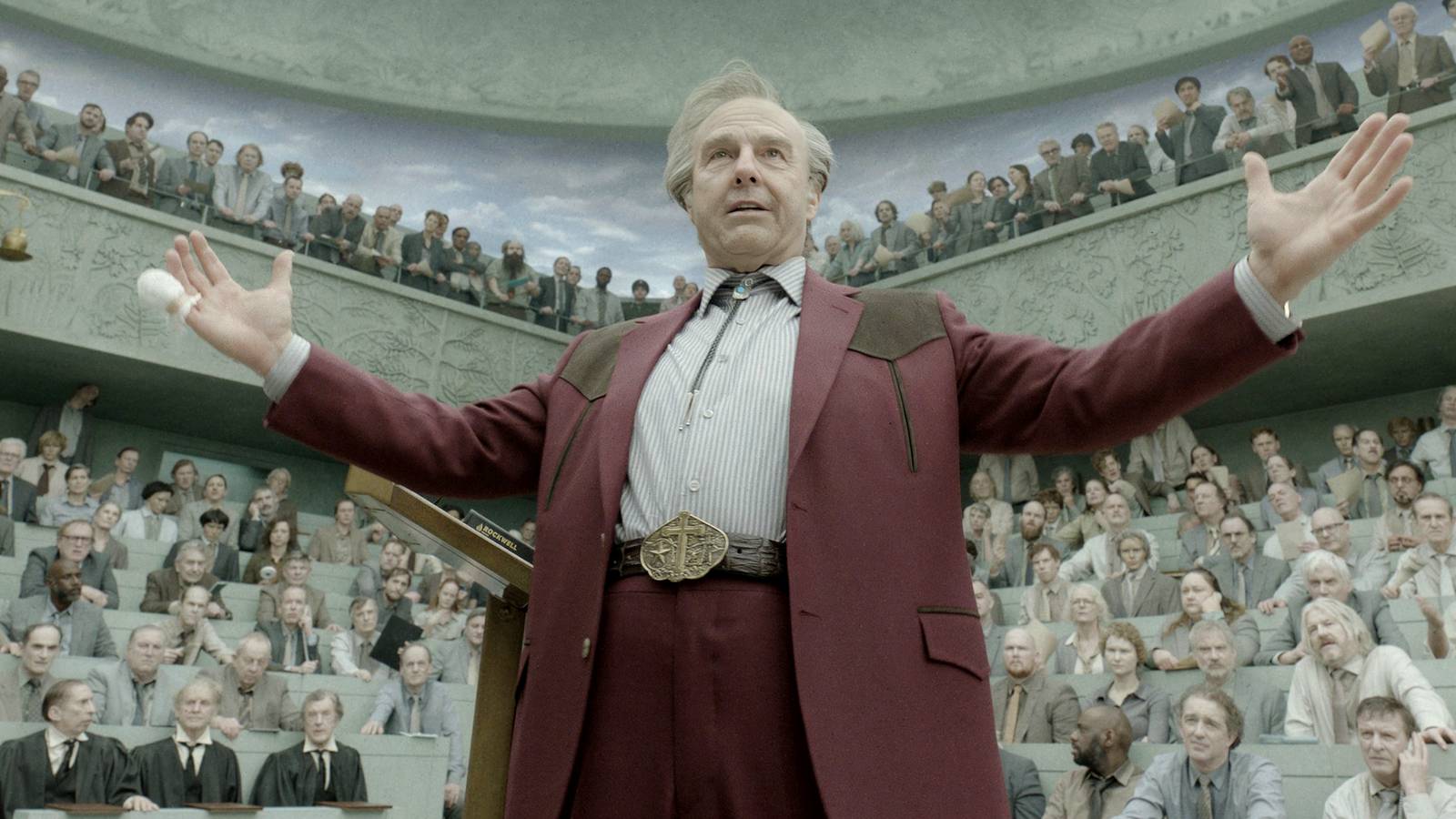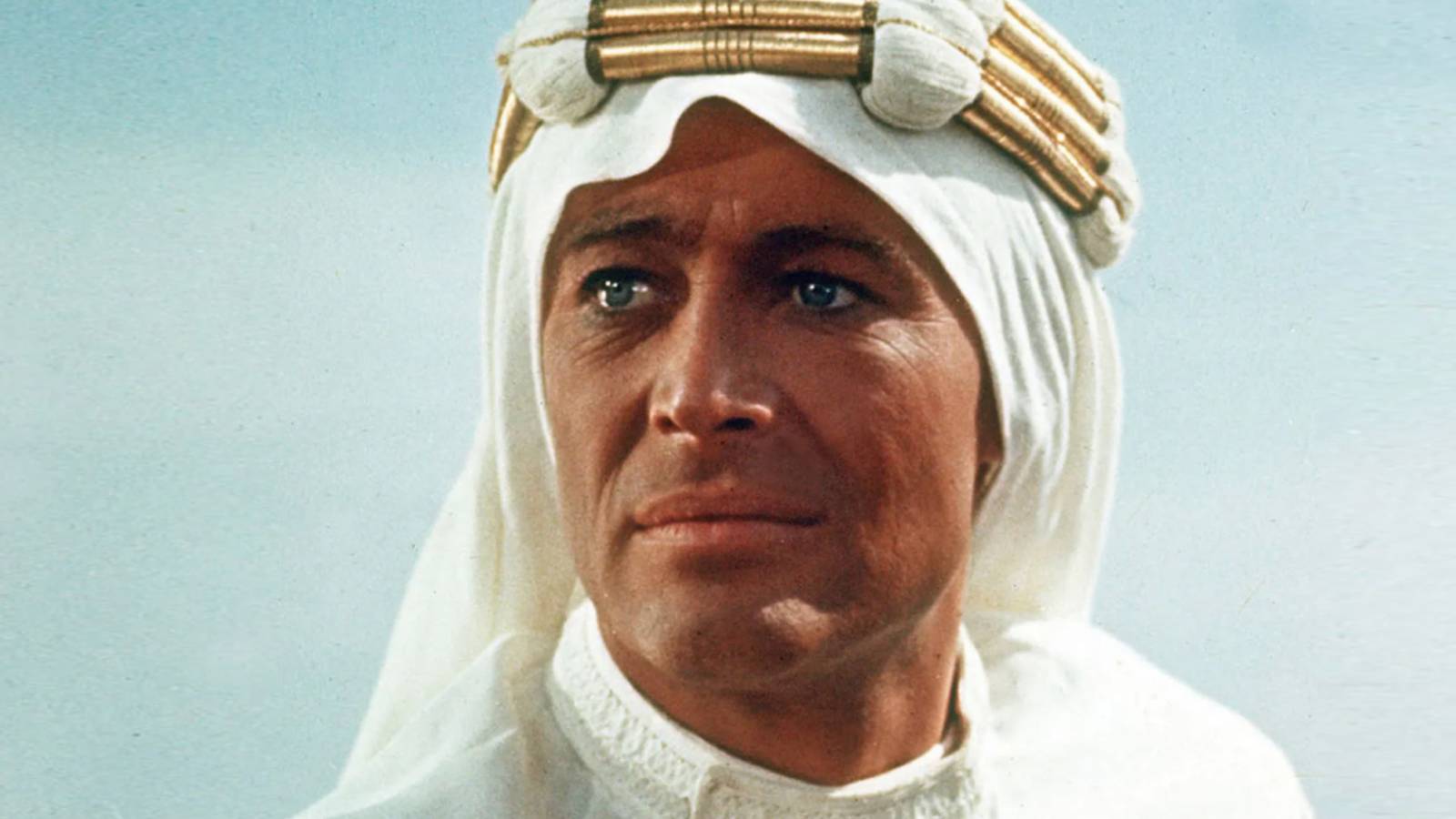
In the pantheon of cinema, few films cast a shadow as long as David Lean's Lawrence of Arabia. It's the benchmark for epic filmmaking, a masterpiece where every element—from its sweeping cinematography to its iconic score—operates at a level of near-perfection. Praising it feels redundant; it's simply one of the greatest films ever made. But what if we ventured beyond the desert sands? The epic genre is vast, and a handful of monumental works not only equal Lawrence's ambition but, in certain respects, might just eclipse it. Here, we explore three such titans.
3. 'The Godfather' (1972): A Crime Saga of Shakespearean Scale
A decade after Lawrence of Arabia conquered the Oscars, Francis Ford Coppola's The Godfather did the same for the crime epic. While its canvas is the underworld of organized crime rather than the open desert, its scope is no less grand. The film meticulously charts the transfer of power within the Corleone family, seamlessly shifting its protagonist focus from Vito Corleone (Marlon Brando) to his son Michael (Al Pacino) in a tragic, operatic arc.
Like Lawrence, it's a film where every component is flawless: the acting is legendary, the direction is masterful, and the narrative weight is immense. It redefined its genre and remains the gold standard against which all gangster films are measured. For fans of intricate character studies within a sprawling narrative, exploring the lighter side of the genre can offer a fun contrast to Coppola's solemn masterpiece.
2. 'War and Peace' (1965): The Colossus of Cinema
If scale is the ultimate measure of an epic, then Sergei Bondarchuk's Soviet-era adaptation of Tolstoy's novel is arguably the biggest film ever made. This isn't the 1956 Hollywood version; this is a staggering, seven-hour, four-part cinematic event that marshaled the resources of a nation. Its battle sequences, featuring thousands of real soldiers as extras, are unparalleled in their visceral, chaotic grandeur.
Beyond the warfare, the film captures the novel's intricate web of romance, philosophy, and social upheaval with a lavishness that feels truly limitless. Bondarchuk, who also stars as Pierre, achieved a directorial feat of unimaginable coordination. It's a monumental commitment for any viewer, but one that rewards with an experience unmatched in the history of film. For those who love getting lost in a massive story, certain intricate TV mysteries offer a similar depth on the small screen.
1. 'Seven Samurai' (1954): The Blueprint for Epic Storytelling
Before Lean's desert odyssey, Akira Kurosawa crafted the definitive template for the action epic with Seven Samurai. Its premise is deceptively simple: a village hires seven ronin to defend them from bandits. From this, Kurosawa builds a profoundly human saga about duty, class, and sacrifice. The film's three-hour-plus runtime allows for deep character development for each samurai and villager, making the climactic battle in the rain not just a technical marvel, but an emotionally devastating event.
Its influence is immeasurable, spawning countless homages and remakes across genres. Kurosawa's mastery of composition, movement, and ensemble storytelling created a work that is both intimately human and explosively grand. It proves that the heart of an epic lies not just in spectacle, but in the connection forged with its characters. For fans of action with lasting impact, films that defined entire eras often share this timeless quality.
Declaring any film "better" than Lawrence of Arabia is a provocative act. Yet, the existence of The Godfather, War and Peace, and Seven Samurai proves that cinematic perfection can wear many faces. Each of these films operates on a similar plane of ambition and achievement, offering different but equally monumental pathways into the human experience. They remind us that the epic genre, at its best, isn't just about size—it's about enduring significance.