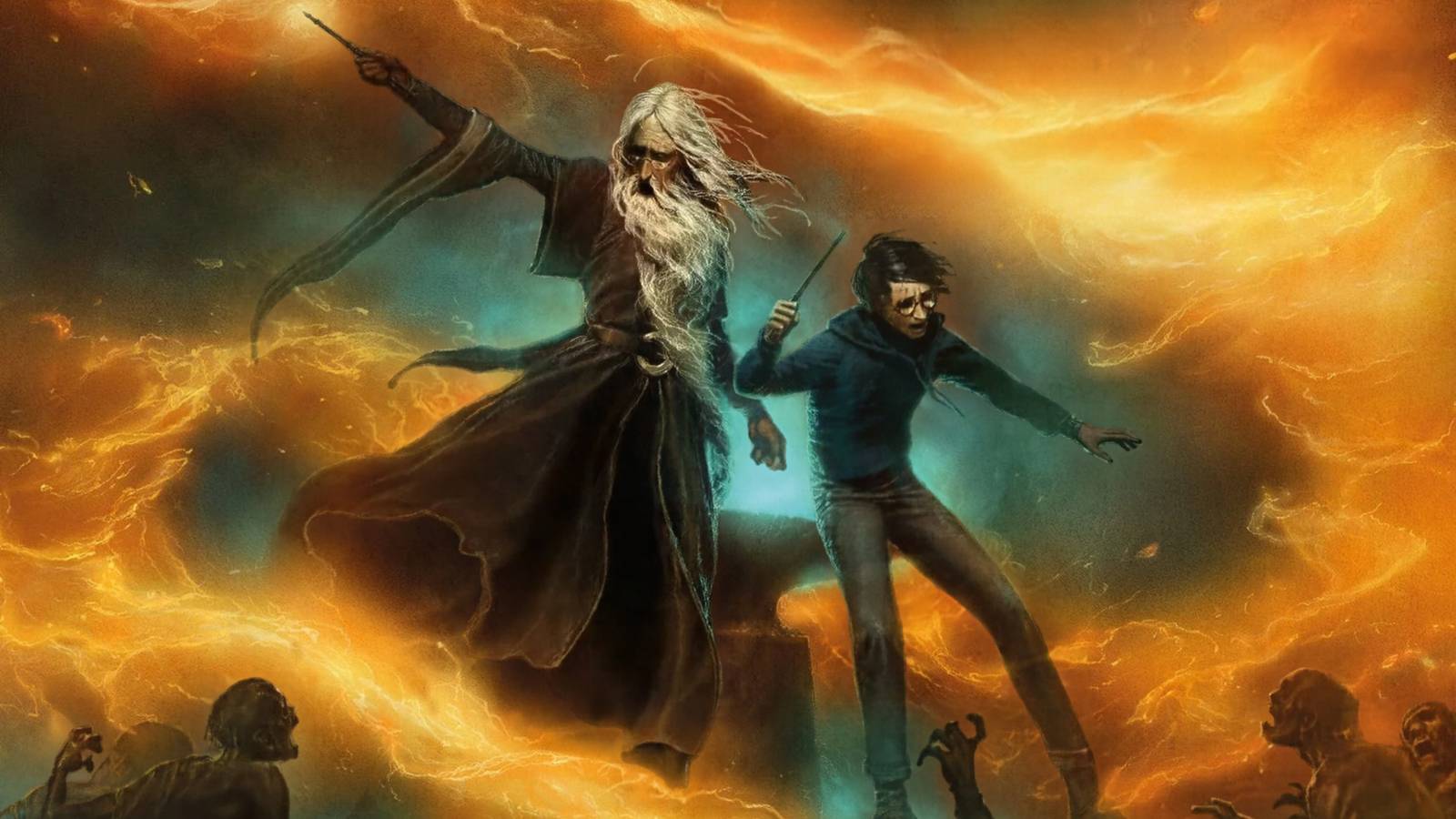
When J.K. Rowling first dreamed up a young orphaned wizard in the summer of 1990, she couldn't have imagined the global juggernaut that Harry Potter would become. After five years of writing and a string of rejections, the manuscript finally found a home at Bloomsbury—thanks in part to the publisher's eight-year-old daughter, who was utterly captivated by the story. The rest is history: seven books, eight films, and a multimedia empire that has enchanted millions.
Yet, as beloved as the Boy Who Lived is, there are children's books that arguably surpass the series in literary merit, emotional resonance, and sheer originality. From timeless classics to modern masterpieces, these six titles prove that magic comes in many forms—sometimes without a single spell.

The Little Prince (1943)
Antoine de Saint-Exupéry, an aviator himself, wrote The Little Prince while exiled in New York during World War II. The story follows a stranded pilot who meets a young prince from a tiny asteroid, who is searching for a way back to the rose he left behind. In under 100 pages, Saint-Exupéry crafts a tale that is both deceptively simple and profoundly philosophical. Its prose is lyrical, its emotions are raw, and its messages shift with each reading, offering new insights whether you're 8 or 80. While Harry Potter's seven-book arc is vast and ambitious, The Little Prince achieves a universal depth with remarkable economy—a true testament to its enduring brilliance.
Charlotte's Web (1952)
E.B. White, best known for Stuart Little, wrote Charlotte's Web as a heartfelt tribute to the animals he raised on his Maine farm. The story of a clever spider who saves a runt pig from slaughter is a masterclass in emotional honesty. White never talks down to his young readers; instead, he trusts them to handle themes of friendship, loss, and the quiet heroism of everyday kindness. Unlike the epic battles of Hogwarts, Charlotte's Web celebrates the small, ordinary acts that make life meaningful—a lesson that lingers long after the last page.
Alice's Adventures in Wonderland (1865)
Long before Harry Potter, Lewis Carroll shattered the conventions of children's literature with Alice's Adventures in Wonderland. Inspired by a real Alice—Alice Liddell, a ten-year-old he entertained on a boat trip in 1862—the book was revolutionary for its time. It didn't moralize; it simply delighted in absurdity and imagination. Carroll's playful language, surreal logic, and subversion of adult authority paved the way for every fantasy that followed, including the Boy Who Lived. While it lacks a traditional plot, its boundless creativity is precisely what makes it timeless.
The Lion, the Witch and the Wardrobe (1950)
C.S. Lewis, a close friend of J.R.R. Tolkien, created one of the most foundational children's fantasies with The Lion, the Witch and the Wardrobe. Four siblings, evacuated during World War II, stumble through a wardrobe into the frozen land of Narnia, where they must ally with the lion Aslan to defeat the White Witch. The story is a rich blend of adventure, allegory, and moral complexity, offering a depth that resonates with readers of all ages. It's a classic that has inspired countless adaptations and remains a must-read for any fantasy lover.
The Hobbit (1937)
Before Tolkien's epic Lord of the Rings, there was The Hobbit—a charming, adventurous tale of Bilbo Baggins, a comfort-loving hobbit who is swept into a quest to reclaim a dragon's hoard. Written for Tolkien's own children, the book is a perfect blend of whimsy and peril, with a protagonist who grows from timid to brave. Its influence on fantasy is immeasurable, and its storytelling is so engaging that it's often considered superior to the more sprawling works that followed. For many, The Hobbit is the gold standard of children's fantasy.
The Golden Compass (1995)
Philip Pullman's The Golden Compass (published as Northern Lights in the UK) is a modern masterpiece that dares to ask big questions. Set in a world where human souls manifest as animal companions called daemons, the story follows Lyra Belacqua as she journeys to the Arctic to rescue her friend and uncover a sinister conspiracy. Pullman's world-building is intricate, his characters are complex, and his themes—free will, authority, and the nature of the soul—are handled with remarkable nuance. It's a book that challenges young readers and adults alike, making it a worthy rival to the wizarding world.
While Harry Potter will always hold a special place in the hearts of millions, these six books offer something equally magical: timeless stories that speak to the human experience in ways that transcend age and genre. So, if you're looking for your next great read, consider stepping beyond Hogwarts—you might just find a new favorite.