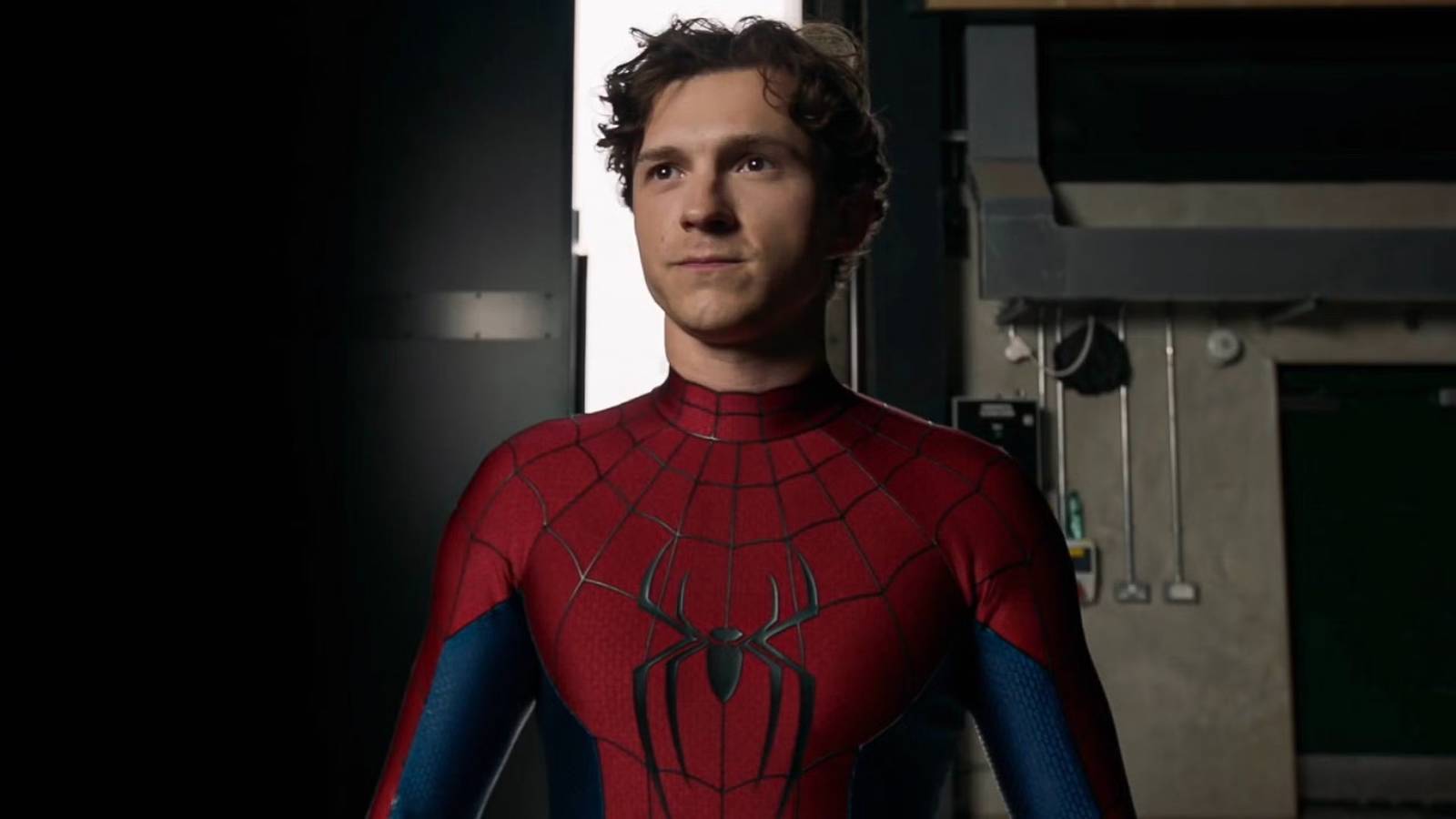
Spider-Man's big-screen legacy is undeniable, from Sam Raimi's 2002 blockbuster to the record-shattering Spider-Man: Brand New Day in 2026. But on the small screen, the web-slinger's live-action history is far more uneven. While animated series have been a staple since the '60s, live-action appearances have been rare: a 1978 Japanese show, a recurring bit on The Electric Company, and a brief stint in Spider-Noir. Yet one of the most fascinating—and overlooked—chapters is the 1977 CBS series The Amazing Spider-Man, which ran for just two seasons before being unceremoniously canceled.
The first live-action Spider-Man actually appeared on PBS's The Electric Company, with Danny Seagren donning the red-and-blue suit in short skits. But CBS was the first to bring him to prime time, casting Nicholas Hammond—best known for his role as the cad who stood up Marcia Brady—as both Peter Parker and his heroic alter ego. The network had secured the rights from Stan Lee, who was reportedly unhappy with the direction producer Daniel R. Goodman was taking. Lee famously said the TV version was less mature and sophisticated than the comics, but CBS pressed on.
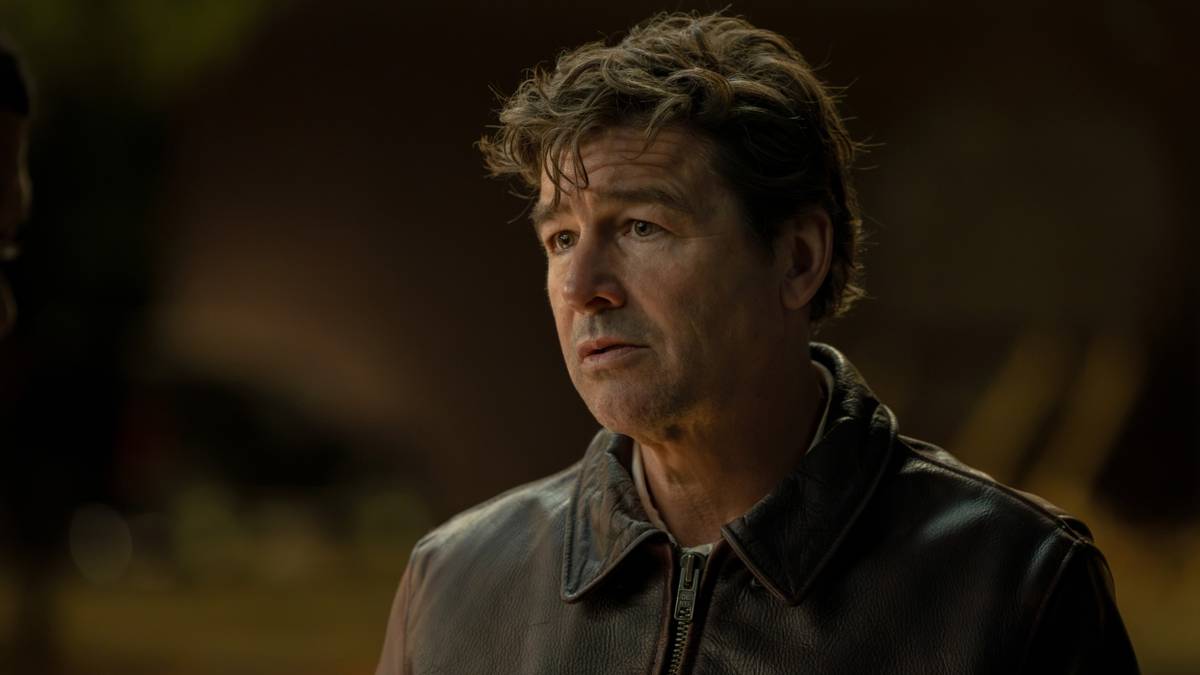
The pilot aired as a TV movie on September 14, 1977, and followed Peter Parker's classic origin: a radioactive spider bite, super-strength, wall-crawling, and a decision to fight crime. The villain was the Guru, a mind-controlling mastermind threatening to force innocent New Yorkers to commit suicide unless he received $50 million. The movie was a ratings smash, pulling in a 17.8 rating and a 30 share, and the ensuing five-episode season ranked 19th for the year. It seemed like a hit, but the network had other plans.
Despite its popularity, The Amazing Spider-Man was a watered-down version of the comic. There was no Uncle Ben, no "great responsibility" mantra, and no iconic villains like Doctor Octopus or Mysterio. Budget constraints meant Spidey faced generic crooks and terrorists instead. The fight scenes were surprisingly well-choreographed for the era, with stunt performers doing the web-swinging and wall-climbing, but the webbing was just rope, and Aunt May was played by a different actress each time she appeared. The show was clearly aimed at a younger audience, which clashed with CBS's desire to attract adults.
For season two, Goodman was replaced by Lionel Siegel, who tried to make the show more "relatable" to older viewers. But CBS treated the episodes as special presentations, airing them sporadically during sweeps periods, often against tough competition. The show was expensive to produce, and despite the changes, it was canceled after just seven more episodes. The reason? CBS reportedly wanted to avoid being labeled the "superhero network," having already canceled Shazam! and The Secrets of Isis while airing The Incredible Hulk and Wonder Woman.
It's a decision that seems baffling today, given the superhero genre's dominance. But at the time, it made sense to a network wary of being typecast. The character wouldn't return to live action until Raimi's film, and the CBS series remains a curious footnote. Yet it paved the way for future adaptations, and its stunt work and practical effects have a charm that CGI can't replicate. For fans of Spider-Man's mightiest foes, it's a reminder of how far the franchise has come.
Today, as Spider-Man: Brand New Day continues to break box office records, it's worth remembering the humble beginnings of live-action Spidey on TV. The CBS show may have been flawed, but it was a pioneer. And with action TV in 2026 thriving, it's clear that the web-slinger's small-screen legacy is as important as his cinematic one.