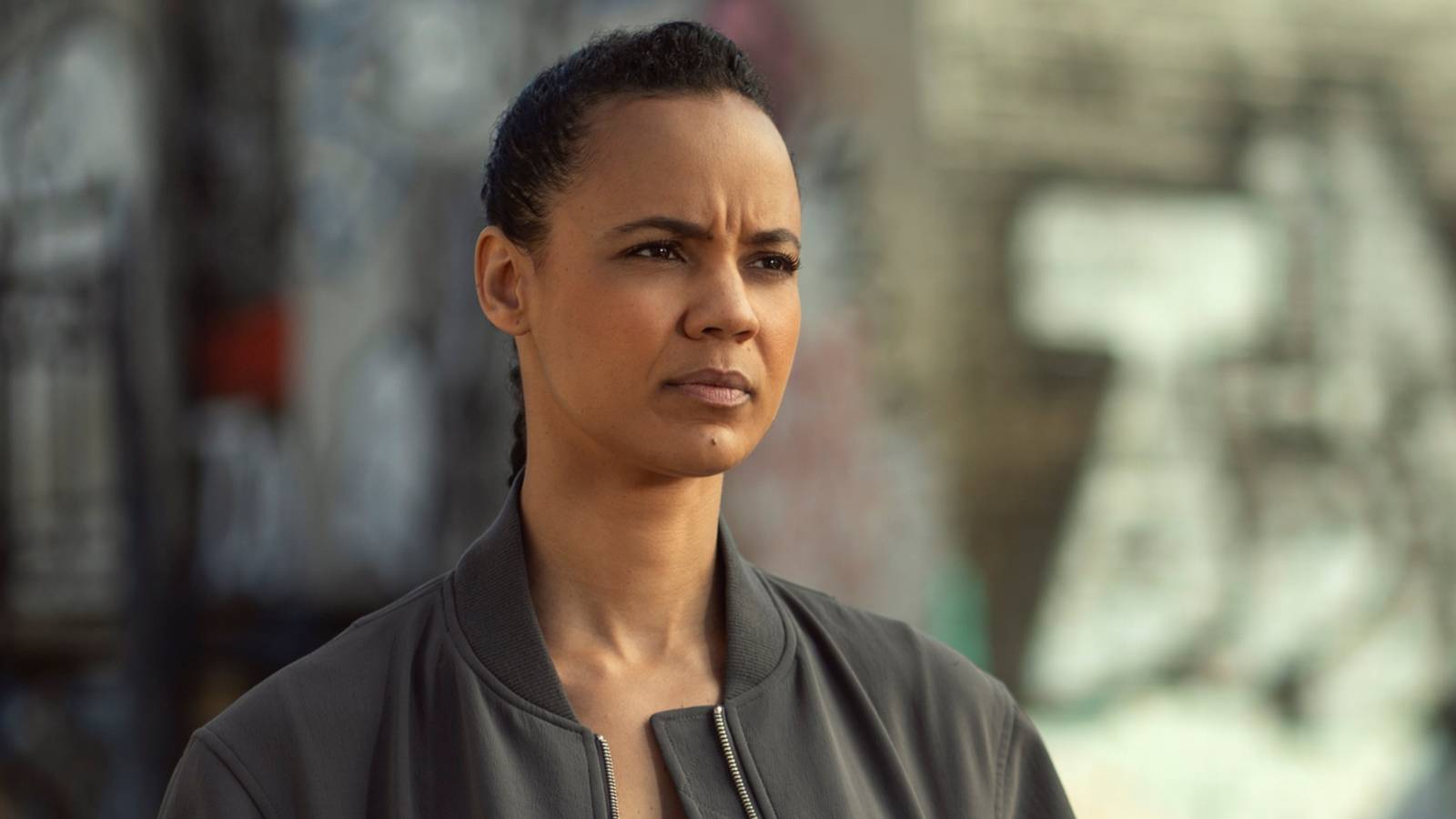
Prime Video has become the home of formidable female-led detective dramas. While the Reacher spin-off Neagley has been dominating conversations, its spiritual predecessor, Ballard, deserves equal attention. Both series feature heroines who are as sharp as they are tough, but Ballard brings a unique, gritty perspective to the genre.
Renée Ballard, played with fierce intensity by Maggie Q, is a former Robbery-Homicide detective who gets demoted to the Cold Case Unit after calling out a male colleague's misconduct. It's a classic setup that immediately establishes the show's central conflict: a system that punishes those who speak truth to power. Unlike the more action-heavy Neagley, Ballard digs into the psychological and institutional toll of being a woman in law enforcement.

What Makes 'Ballard' a Must-Watch?
The series follows Ballard as she assembles a ragtag team—a retired detective, a former officer, an intern, and volunteers—to tackle cases that everyone else has forgotten. The show brilliantly illustrates that cold cases are not just dusty files; they are opportunities for justice that the system has neglected. Ballard's determination to solve these cases, even when her superiors would rather she focus on politically connected ones, is both inspiring and infuriating.
For those unfamiliar with the Bosch universe, Ballard stands entirely on its own. While Harry Bosch (Titus Welliver) makes a cameo, the show doesn't rely on him. Instead, it builds a compelling narrative around Ballard's own journey, making her a fully realized protagonist. This is a smart move that allows new viewers to jump right in without any prior knowledge.
Cold Cases, Hot Drama
One of the show's greatest strengths is its portrayal of cold case investigations. It's not about high-speed chases or shootouts; it's about meticulous research, re-examining evidence, and the painstaking process of finding witnesses who may have moved on or passed away. The show makes this process thrilling by revealing that these forgotten cases often connect to larger conspiracies, putting Ballard in direct opposition to the very institution she serves.
This focus on the underdog story is reminiscent of other great detective series, like the BritBox thriller about a mother in an impossible spot, where personal stakes drive the narrative. Ballard similarly raises the stakes by making each case personal for its lead.
Trauma and Triumph
Both Neagley and Ballard explore trauma, but in different ways. Neagley's haphephobia stems from childhood, while Ballard's trauma is professional—the constant battle against a male-dominated force that undermines her at every turn. The show doesn't shy away from the emotional scars this leaves, and it's this vulnerability that makes Ballard a compelling character. She's not just a tough cop; she's a woman who has been hurt and is fighting to heal on her own terms.
This nuanced character study is what sets Ballard apart from other procedurals. It's a slow-burn that rewards patient viewers, much like the recent streaming success of Keanu Reeves' Good Fortune, which also found its audience through word-of-mouth. If you're looking for a binge that combines action with emotional depth, Ballard is the perfect choice.
So, after you've finished Neagley, don't stop there. Dive into Ballard and discover why it's one of Prime Video's best-kept secrets. It's a show that proves that sometimes the most thrilling stories are the ones that have been waiting to be told.