About 15 minutes into Atonement, the tension becomes almost unbearable. A family is trapped in a car as gunfire erupts around them, with U.S. Marines and Iraqi insurgents exchanging bullets in a chaotic Baghdad street. Mariam, played with heartbreaking restraint by Hiam Abbass, tries desperately to signal that they are civilians, but the chaos is overwhelming. Director Reed Van Dyk shoots the scene with such immediacy that you feel dropped into the middle of the firefight, unsure where safety lies.
This is the moment that defines Atonement, a film that has lingered with me since my screening at the Toronto International Film Festival. It's not just the devastating story that stays with you, but the questions it raises about war, guilt, and the impossible burden of moving on. With Boyd Holbrook delivering what might be the best performance of his career, alongside remarkable work from Abbass and Kenneth Branagh, this is a film that demands attention and could easily become an awards season contender.

What Is 'Atonement' About?
Set in Baghdad in 2003, Atonement follows Mariam and her family, who have temporarily left their home due to nearby military action. When another bombing strikes close, they decide to return home, only to be caught in a brutal firefight. Lou D'Alessandro (Holbrook) is a Marine positioned above the street, and his split-second decision to open fire results in the deaths of Mariam's husband and two sons. The young soldier is in denial, especially when New York Times reporter Michael Reid (Branagh) arrives to ask questions about the mission.
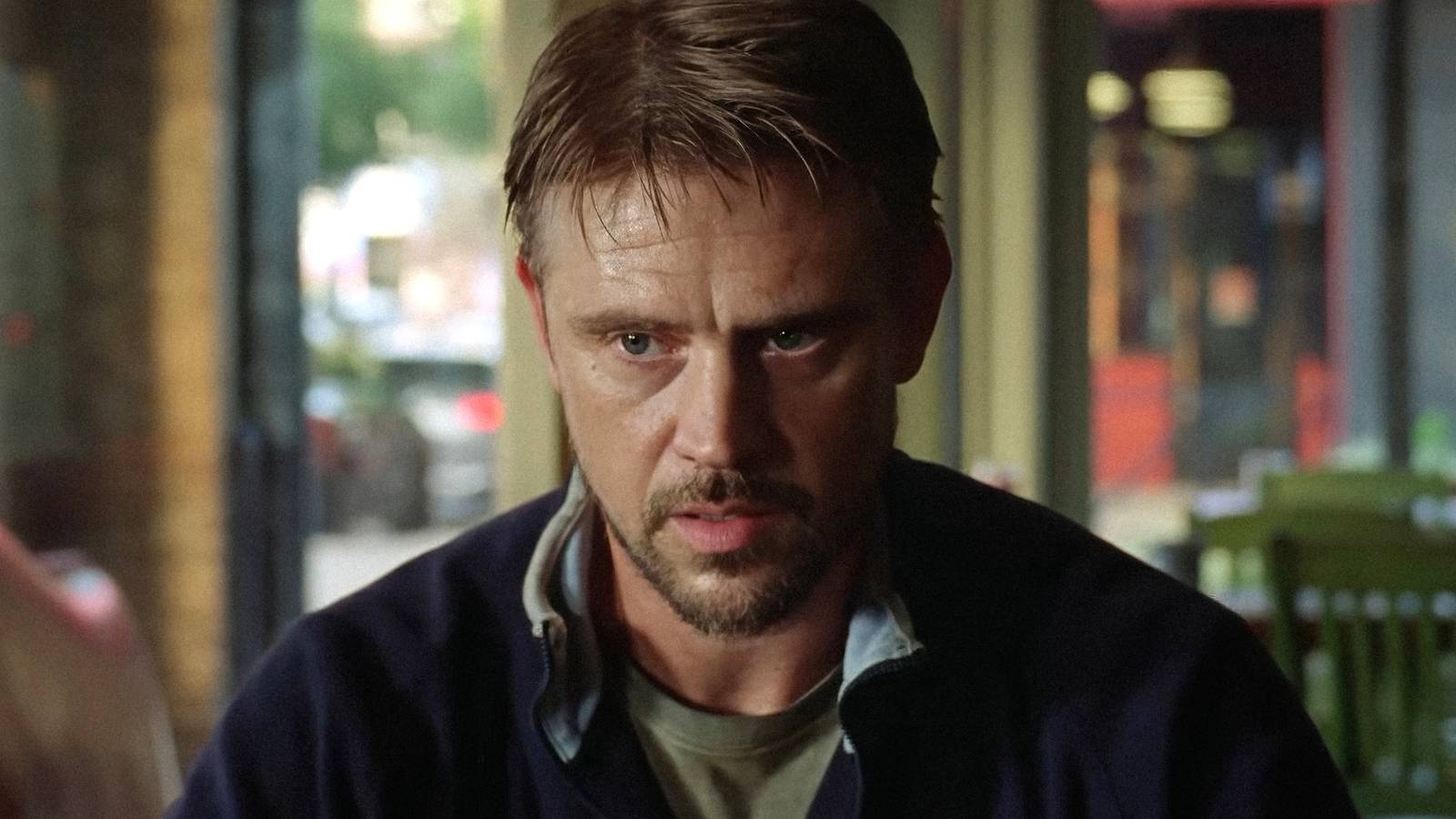
Ten years later, Lou is back in the U.S., but he's a shadow of his former self. After eight deployments and a dishonorable discharge, he's struggling with a deep psychological breakdown. He works as a bouncer, pockets drugs he finds on the dance floor, and seems haunted by guilt and anger. Desperate for some kind of resolution, he reaches out to Michael, hoping the journalist can arrange a meeting with Mariam and her daughter Nora, the last surviving members of their family. What Lou expects from that meeting—forgiveness, closure, or just a chance to apologize—is unclear, and watching it unfold is an emotional rollercoaster.
A Showcase for Its Three Leads
Holbrook gives a lived-in performance that feels almost too real. He captures Lou's exhaustion and weariness with such authenticity that you forget you're watching an actor. His guilt is never switched on for dramatic effect; it's always there, hanging over him even in ordinary moments. Branagh is equally compelling as Michael, bringing a calm, steady presence that never overshadows the tragedy. There's a warmth and sadness to his performance, hinting at a reporter who has seen too much. Abbass, meanwhile, keeps Mariam's grief contained in the smallest looks and pauses, a powerful choice that never needs a big speech to convey her pain. Gheed, as Nora, also makes a strong impression, balancing her love for her mother with her complicated feelings about Lou's presence.
Writing That Refuses Easy Answers
The writing is where Atonement truly shines. Van Dyk, known for the Oscar-nominated short DeKalb Elementary, structures the film around three distinct perspectives without making any one more important than the other. We understand Lou's guilt, but we're never asked to forget what Mariam lost. The film doesn't turn forgiveness into a simple destination; instead, it explores the messy, painful reality of trying to move forward. It's a balance that's hard to pull off, but Van Dyk does it masterfully.
For fans of powerful war dramas, Atonement is a must-see. It's a film that stays with you long after the credits roll, much like the Cold War thriller Mayday, which also features Branagh in a compelling role. And for those interested in the human cost of conflict, it pairs well with Netflix's The Altruists, which examines another kind of fallout. Atonement is a reminder that in war, the bullet goes both ways, and its impact is felt for generations.