Apple TV+ has built a reputation for prestige sci-fi, with Severance leading the charge as a cultural juggernaut. But in 2026, a quieter contender has emerged from the shadows of the streaming service's library. Star City, a spinoff of the alternate-history drama For All Mankind, has not only held its own but actually outperformed Severance in critical reception—scoring a 97% on Rotten Tomatoes compared to the workplace thriller's 95%. It may not have the same buzz, but it's arguably Apple TV's most impressive sci-fi achievement of the year.
A Different Kind of Space Race
While For All Mankind imagines a world where the Soviet Union beat America to the moon, Star City flips the perspective entirely. Set in the early years of that alternate timeline, the series moves behind the Iron Curtain, following Soviet engineers, cosmonauts, and intelligence officers who made that victory possible. Familiar events from the parent show are revisited, but through a lens of paranoia and political oppression. Rocket launches still happen, but the real drama unfolds in offices, interrogation rooms, and surveillance hubs. Every achievement carries political weight, every failure threatens personal safety, and every conversation might be recorded. It's less a space drama and more a spy thriller—tense, intimate, and deeply unsettling.
Why Critics Are Raving
Severance earned its acclaim through inventive concepts and meticulously crafted mysteries. Star City impresses for different reasons: its confidence as both a spinoff and a standalone series. Rather than leaning on nostalgia, it expands the For All Mankind universe by asking questions the original could only hint at. What did victory cost the Soviet Union? What happens when scientific ambition collides with authoritarian control? And what does everyday life look like when even national heroes aren't free from government scrutiny?
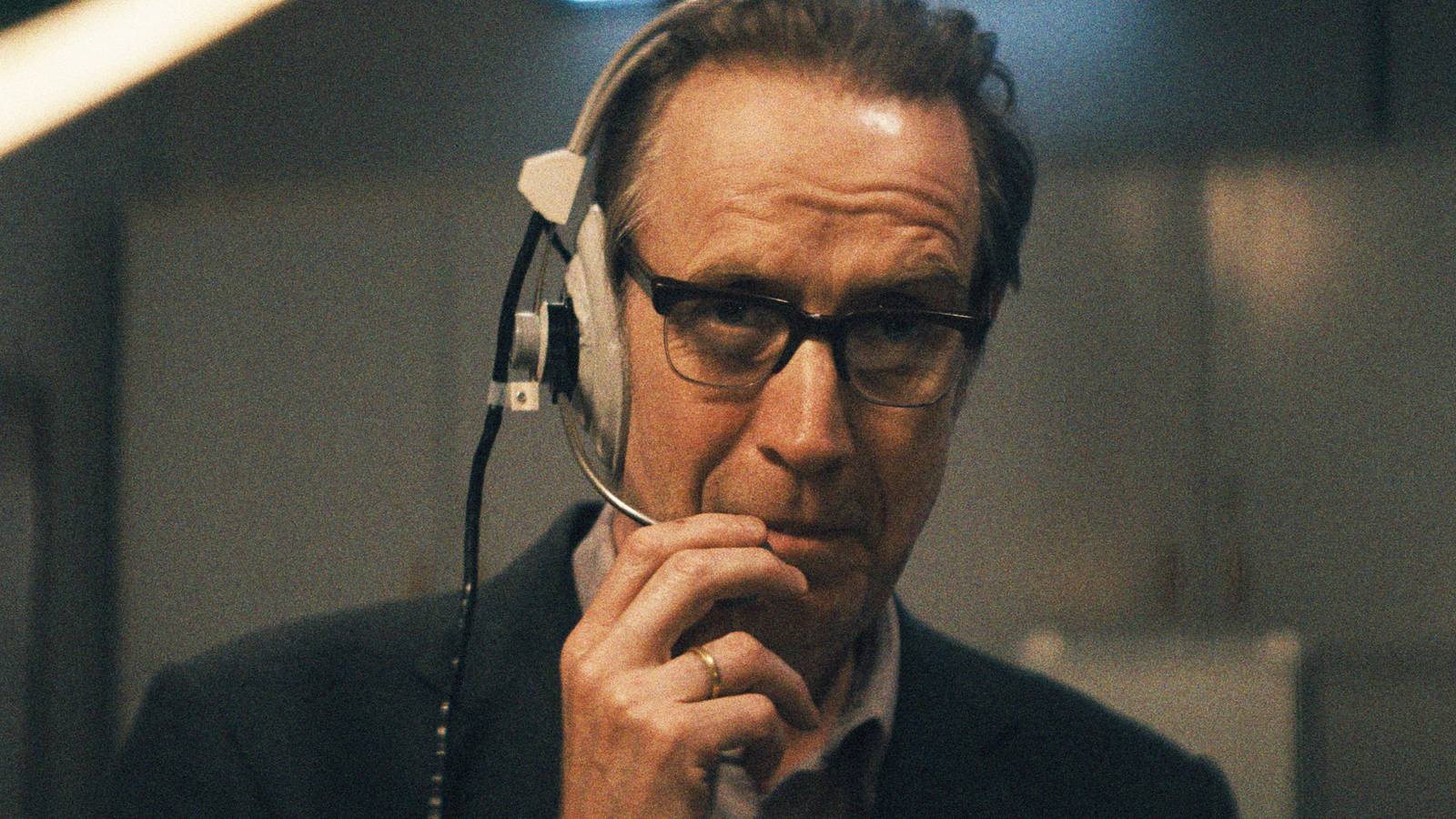
The cast is anchored by Rhys Ifans as the Chief Designer, a visionary whose dreams of space exploration constantly clash with a regime more interested in propaganda than progress. Around him, characters like Lyudmilla Raskova (Anna Maxwell Martin), Irina Morozova (Agnes O'Casey), Anastasia Belikova (Alice Englert), and Sergei Nikulov (Josef Davies) illustrate how ordinary people navigate a system built on secrecy, fear, and unwavering loyalty. It's a masterclass in tension, reminiscent of classic political thrillers like The Long Goodbye in its ability to keep viewers on edge.
No Prior Viewing Required
One of Star City's smartest moves is its accessibility. Spinoffs often struggle to balance old fans with new ones, but this series features a fresh cast and provides all the necessary context. While longtime For All Mankind fans will recognize names and events, newcomers can jump in without any homework. Critics have praised this as a major strength: the show works just as well as a standalone political drama. This accessibility also signals a tonal shift. Where For All Mankind celebrates science and human collaboration, Star City shows progress under total control, ideological struggle, and political games. It's darker, more intimate, and arguably more suspenseful.
Apple TV+ has built an enviable sci-fi library, but Star City proves the platform can still surprise. It transforms one of its most celebrated franchises into something new, all while standing confidently on its own. Severance may remain Apple's biggest sci-fi phenomenon, but when it comes to critical acclaim in 2026, Star City has snuck into an even higher orbit. For fans of quiet masterpieces that outshine their predecessors, this is the one to watch.