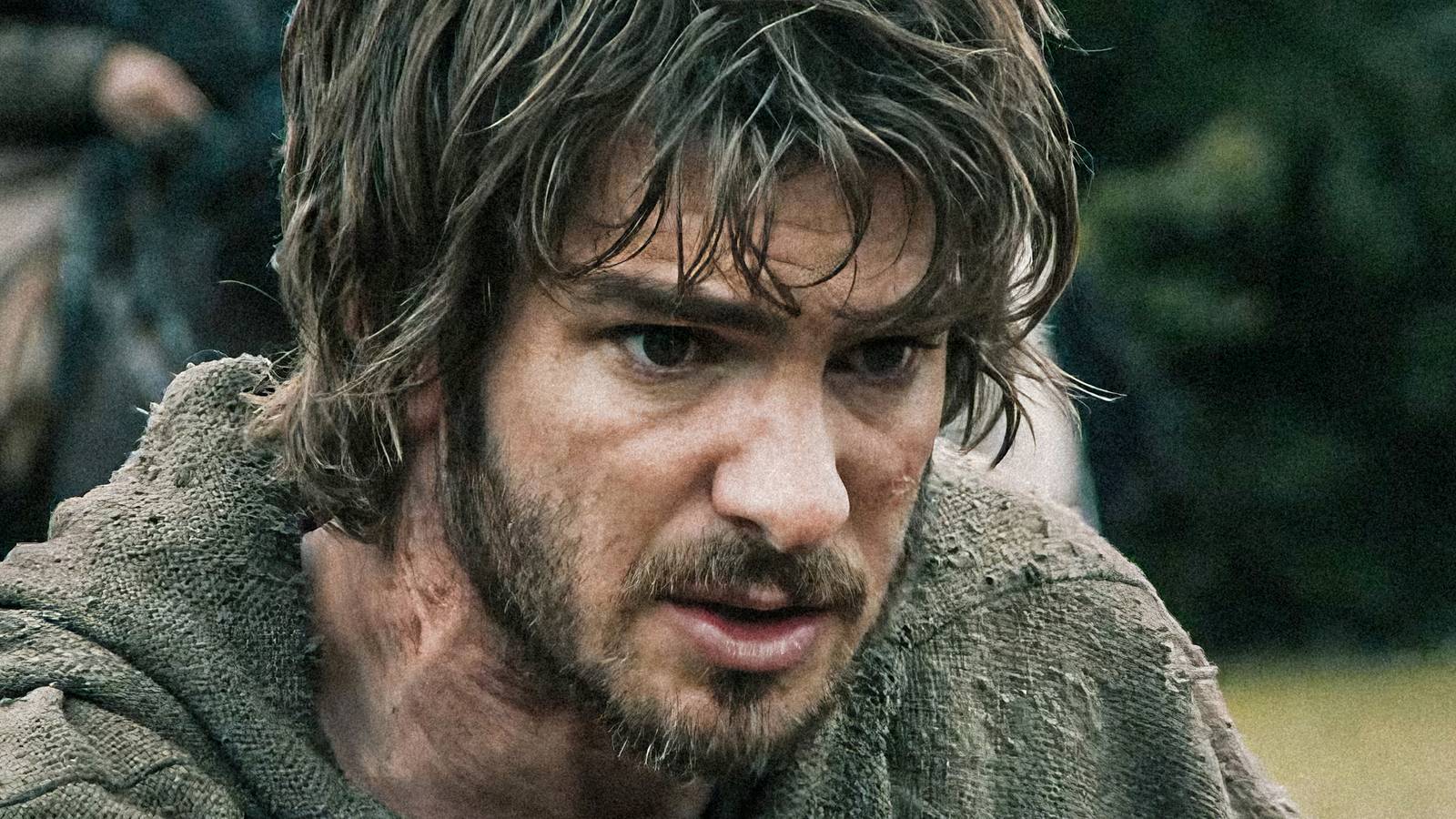
Andrew Garfield has a knack for making audiences root for him, whether he's the underdog in The Social Network or the beloved Peter Three in Spider-Man: No Way Home. Now, he's taking on medieval England in Paul Greengrass's The Uprising, a gritty historical epic about the Peasants' Revolt of 1381. But despite Garfield's magnetic presence, the film struggles to keep its hero at the center of his own story.
Set against the backdrop of the Black Death's aftermath and oppressive taxation, The Uprising follows a nameless farmer, simply called Ploughman, who snaps when a tax collector brutalizes his village. His act of defiance sparks a rebellion that sweeps across England, drawing in radical priests, disillusioned soldiers, and a teenage king. Garfield brings a quiet intensity to Ploughman, a man who never asked to be a leader but becomes the spark for a movement. Yet as the revolution grows, Ploughman gets swallowed by a sprawling supporting cast that includes Jamie Bell, Cosmo Jarvis, and Thomasin McKenzie.
A Gritty, Grounded Vision of 14th-Century England
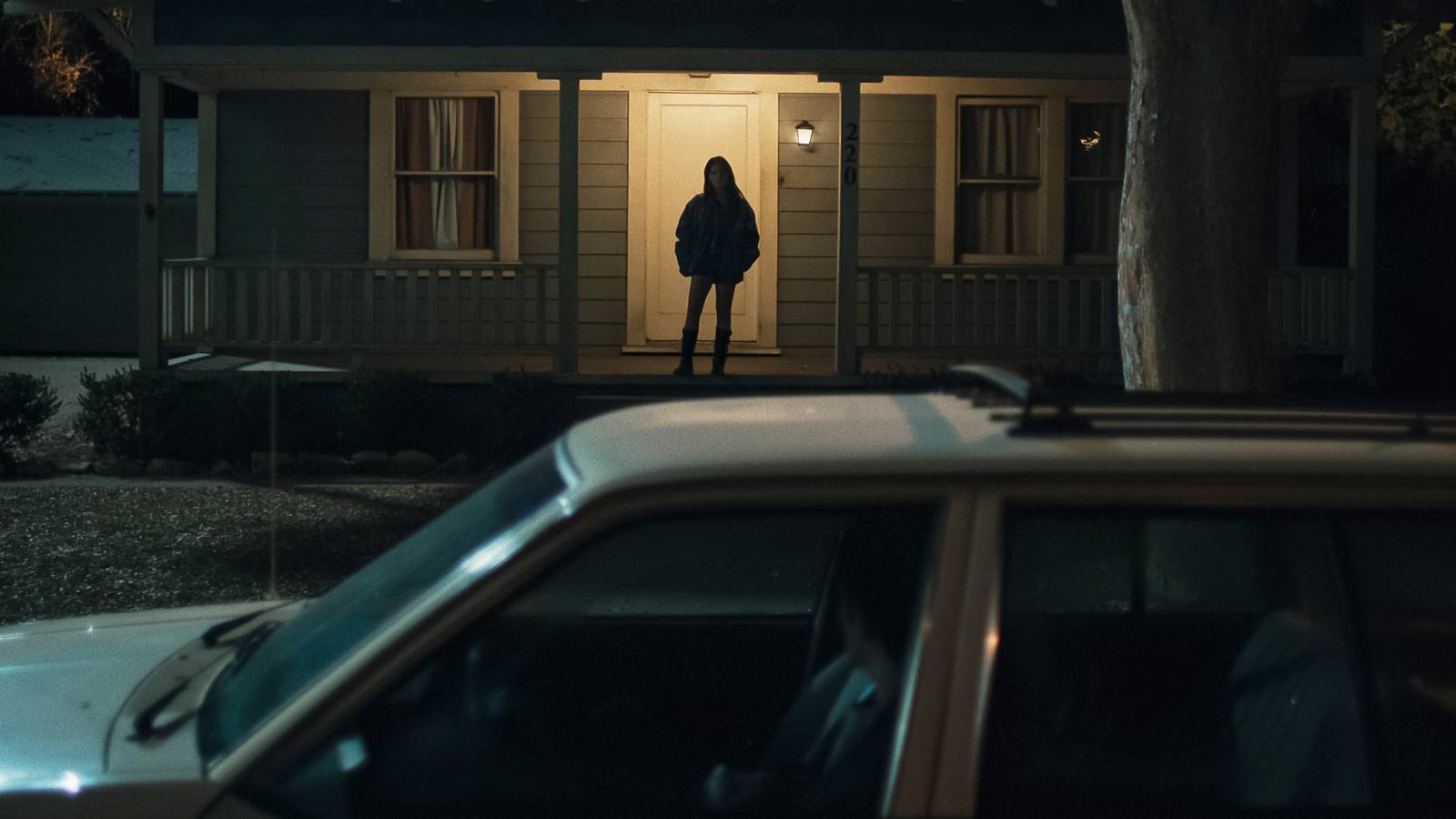
Greengrass, known for the kinetic energy of the Bourne films, trades modern action for a raw, unflinching look at medieval life. Production designer Nikolaj Danielsen crafts a world that feels authentically grim, from muddy streets to blood-soaked fields. The violence is brutal and unglamorous, and composer Volker Bertelmann's score adds a haunting layer to the peasants' desperation. It's a visually and aurally immersive experience, even if some CGI crowd shots break the spell.
But the film's ambition is also its weakness. With so many characters vying for attention, Ploughman's arc becomes diffuse. Thomasin McKenzie's Alyce is a standout, her backstory fueling a fierce embrace of bloodshed, but others like Tom Hollander's Sir Robert Hales feel underutilized. Hollander, a master of memorable villains, is given little to do before his exit. Similarly, Dónal Finn's local priest, who witnesses Ploughman's initial revolt, disappears early, missing a chance to explore faith's collision with mob mentality.
The Robin Hood Problem
Midway through, a nagging thought emerges: Is this a Robin Hood origin story? The parallels are there—Sherwood Forest, unjust taxes, a tyrant king—but the film never commits to the legend. Then, in a puzzling marketing move, Focus Features slapped the tagline "The Rise of Robin Hood" onto the trailer, retroactively framing the film as a prequel to a myth that historically doesn't align. The Peasants' Revolt occurred in 1381, centuries after the traditional Robin Hood tales, and the film's historical grounding clashes with the fantasy branding.
This identity crisis undermines The Uprising's strengths. As a standalone historical drama, it offers a compelling, if uneven, look at a rebellion that's rarely explored on screen. But by teasing a Robin Hood connection, it invites comparisons that the film can't satisfy. For fans of true historical drama, the movie's gritty realism is a plus, but the marketing muddle may leave audiences puzzled.
Garfield remains a compelling lead, and his recent comments about Spider-Man's identity show he's not afraid to challenge expectations. In The Uprising, he delivers a performance that's both powerful and understated, but the film's sprawling narrative and questionable branding keep it from reaching its full potential. It's a revolution worth watching, but one that loses its leader along the way.