For years, Disney+ has struggled to expand the Star Wars universe beyond the Skywalker saga, often leaning on nostalgia and familiar faces. But Andor breaks that mold, delivering a series that feels less like a space opera and more like a tense political thriller. It’s a show that owes as much to the Cold War espionage of The Americans as it does to the intricate worldbuilding of The Expanse, and that combination makes it one of the most compelling entries in the franchise yet.
Created by Tony Gilroy, the Oscar-nominated filmmaker who helped salvage Rogue One, Andor takes a grounded approach to the Rebellion. Instead of focusing on Jedi and Sith, it explores the everyday people caught in the gears of the Galactic Empire. Diego Luna returns as Cassian Andor, a man whose journey from cynical survivor to committed rebel is the heart of the series. But unlike many Star Wars stories, Andor doesn’t hinge on one hero. It builds a rich ensemble, from Mon Mothma’s political maneuvering to Luthen Rael’s morally ambiguous spymaster, showing that the fight against tyranny is never simple.
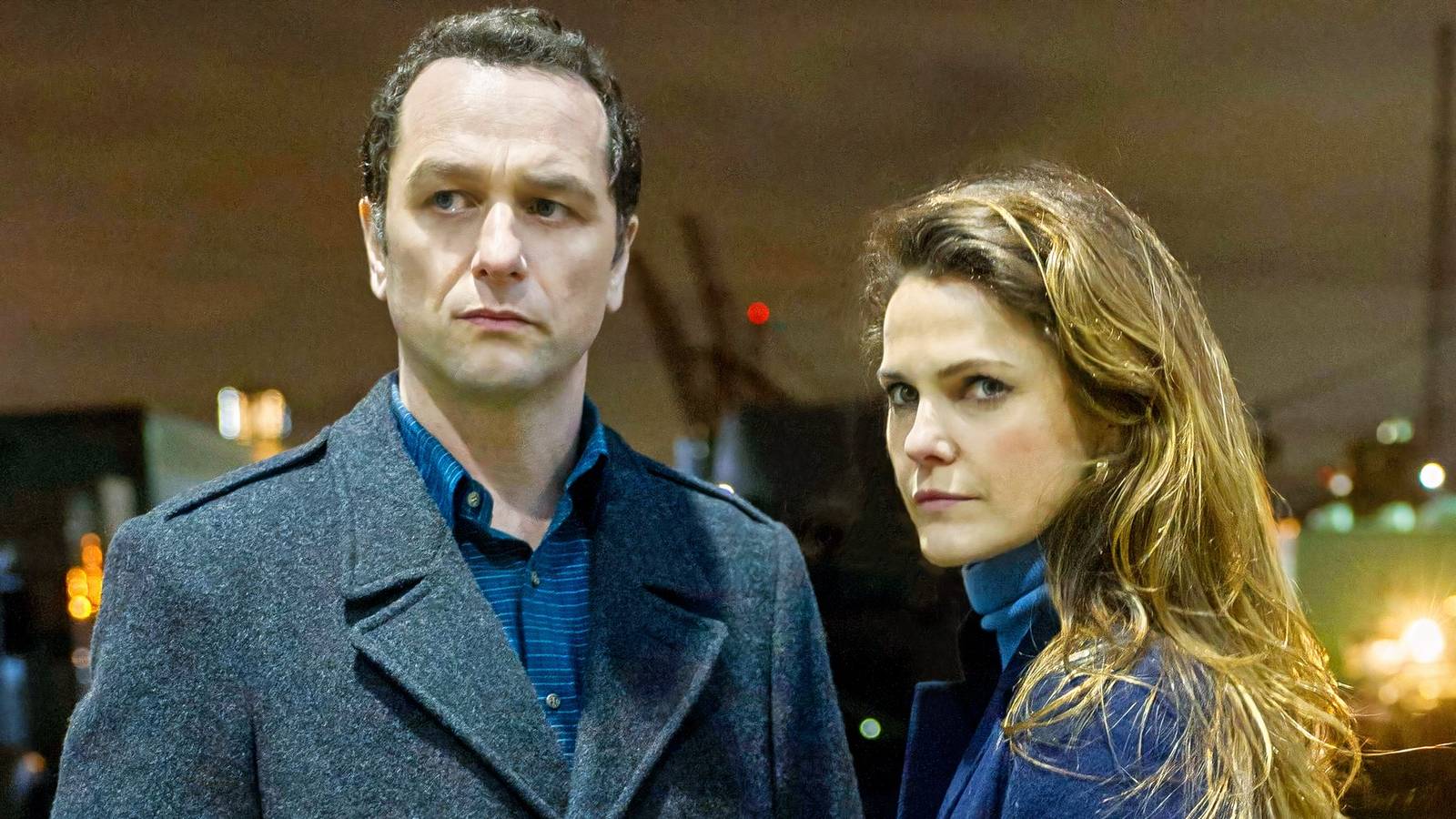
The series draws clear parallels to The Americans, where loyalty and ideology are constantly in flux. In Andor, the lines between good and evil blur. Saw Gerrera’s brutal methods, Luthen’s willingness to sacrifice innocents, and even Cassian’s own moral compromises all suggest that the Rebellion isn’t a pure force. This isn’t a cynical take—it makes the eventual victory in the original trilogy feel earned. As with The Americans, the show understands that war turns ordinary people into something harder, and that survival often requires making unpalatable choices.
On the Imperial side, Andor avoids cartoonish villainy. The Empire here is a bureaucracy, a system of ambition and indifference that allows cruelty to flourish. Syril Karn’s obsessive pursuit of Cassian, Dedra Meero’s cold efficiency, and the propaganda that justifies atrocities like the Ghorman massacre all feel disturbingly real. It’s a portrayal that echoes the political intrigue of The Expanse, where fragile peace is maintained by secrets and conspiracies that could topple entire systems.
What sets Andor apart is its commitment to practical effects and immersive storytelling. Gilroy’s use of real sets, large crowds, and stunt work gives the galaxy a tangible weight, appealing to fans of hard sci-fi who appreciate the detailed universe of The Expanse. The show also delivers emotional stakes, particularly in the complicated romance between Cassian and Bix, which feels as fraught and real as any relationship in The Americans.
This is Star Wars at its most mature, but it’s not grim for the sake of being grim. The darkness serves a purpose, reminding us that the fight for freedom is messy and costly. Andor asks viewers to consider what they’re willing to sacrifice for a cause, and it does so without losing the sense of wonder that makes Star Wars special. It’s a bold, necessary evolution for the franchise, and one that proves there’s still new ground to cover in a galaxy far, far away.
For those who’ve been craving a Star Wars story that feels less like a theme park ride and more like a serious drama, Andor is a revelation. It’s a show that respects its audience’s intelligence, and it’s easily the most thought-provoking entry in the Disney+ era. If you’re a fan of The Americans or The Expanse, this is the Star Wars series you’ve been waiting for.