You queue up a classic crime drama, ready for a nostalgic binge. But within minutes, you're squirming. The "hero" is a walking HR violation, the plot feels tone-deaf, and what once felt groundbreaking now just feels... wrong. Time has a way of shifting our perspective, and for several iconic crime series, the passage of years has been less than kind. Let's dive into seven shows that defined their eras but now feel like relics of a less enlightened time.
'24': The Torture-Porn Prototype
Premiering in the shadow of 9/11, 24 was a television revolution. Kiefer Sutherland's Jack Bauer raced against a real-time clock each season, saving America with a brutal, no-holds-barred approach. The show's high-concept format was electrifying, but its legacy is now deeply stained. 24 was frequently criticized for glorifying torture as an effective interrogation tool and for normalizing illegal surveillance. Its portrayal of Muslim characters often veered into harmful stereotyping. While it paved the way for serialized thrillers, its post-9/11 panic and ethical shortcuts have soured, making it a challenging rewatch in an era more critical of such narratives. For a more nuanced take on crime, check out shows that truly broke the rules.
'Cops': Reality TV's Problematic Pioneer
For over three decades, Cops was a cable staple, offering a raw, vérité look at police work. Born from a writers' strike, it helped launch the reality TV boom. However, the 2020 racial justice reckoning exposed the show's deeply flawed core. Cops disproportionately featured people of color as perpetrators, framed aggressive policing as entertainment, and often presented violent arrests as justified without context. Its cancellation signaled a cultural shift, acknowledging that the series served more as police propaganda than honest documentary. It's a stark reminder of how entertainment can shape—and distort—public perception of authority.
'Walker, Texas Ranger': The Conservative Lawman Fantasy
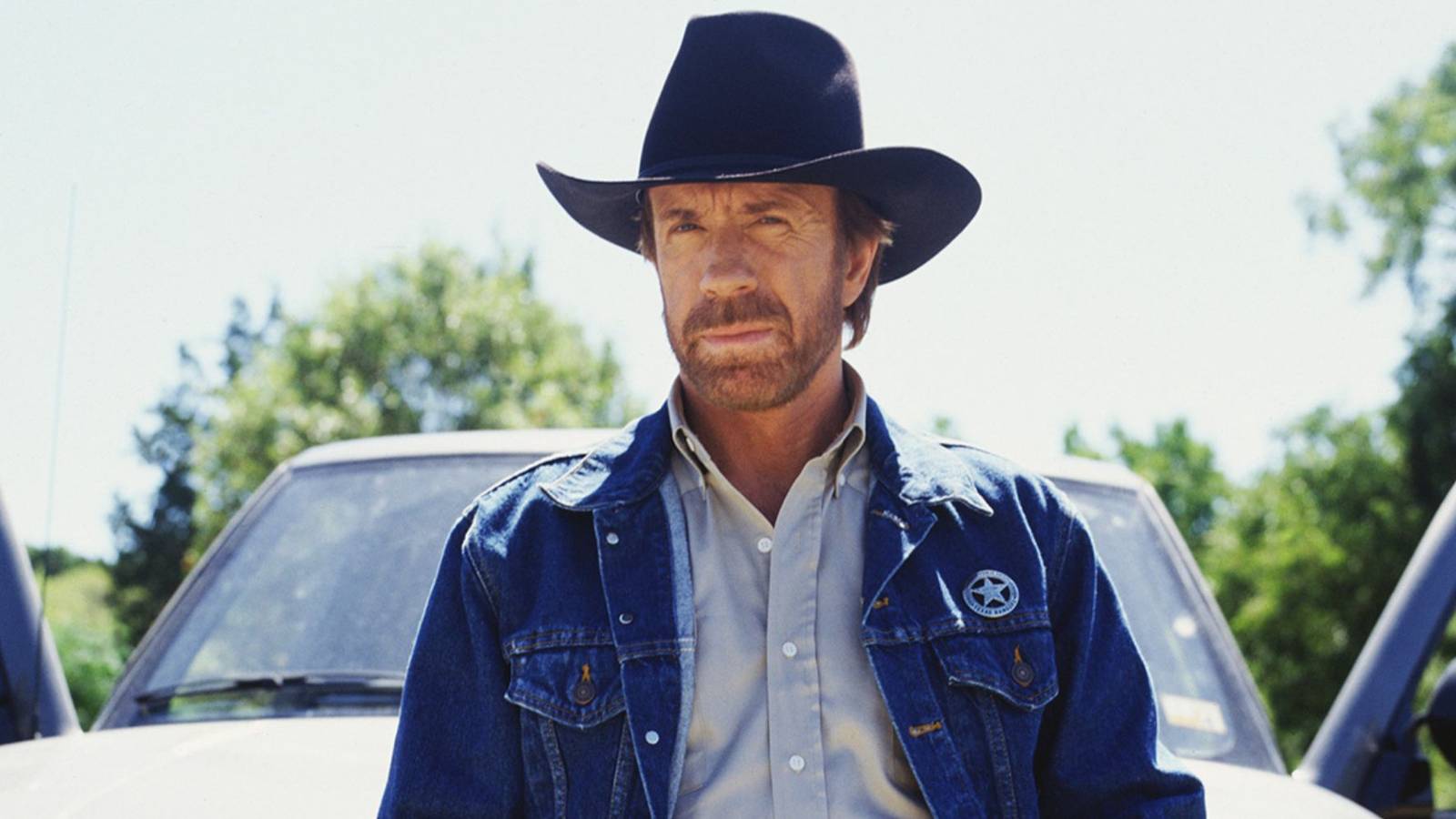
Chuck Norris's Cordell Walker was the ultimate 90s action hero: a near-invincible Texas Ranger who dispensed justice with roundhouse kicks and unwavering moral certainty. The show's charm was its straightforward, good-vs-evil simplicity. Today, that simplicity reads as simplistic. The production values look campy, the stunt doubles are glaringly obvious, and the "shoot first" philosophy feels dangerously simplistic. More critically, the show is now often viewed as a conservative fantasy of unchecked law enforcement power, where due process takes a backseat to righteous violence. Its nostalgic appeal remains for some, but its ethos feels disconnected from contemporary debates about policing.
'CSI: Crime Scene Investigation'
CSI didn't just spawn a franchise; it created the "CSI Effect," influencing how juries perceived forensic science. Its glossy, high-tech visuals and seemingly infallible science made crime-solving look like a quick, clean puzzle. The problem? Real forensics are messy, slow, and far from certain. The show's portrayal of instant, cinematic results created unrealistic public expectations for law enforcement and the justice system. While it made science cool, its legacy is a distorted view of criminal investigation that prioritizes style over the gritty, imperfect reality. If you're looking for a crime story that plays with perception and satire, American Vandal remains a sharp alternative.
'Law & Order' (Early Seasons)
The original Law & Order's "ripped from the headlines" approach felt urgent and relevant. Its classic format—half police procedural, half courtroom drama—has been endlessly imitated. Yet, early seasons often handled sensitive topics like sexual assault and mental illness with a blunt, sensationalistic touch that lacked nuance. The detectives' frequently abrasive interrogation techniques and the show's sometimes cynical view of the legal system can feel grating. While the franchise evolved, those foundational episodes can play more like time capsules of 90s network TV sensibilities than timeless drama.
'The Mentalist'
Simon Baker's Patrick Jane, a psychic medium turned police consultant, charmed audiences for seven seasons. His clever, manipulative tricks to solve crimes were the show's hook. However, the central premise—a man exploiting the grief of vulnerable people (as his former psychic persona) to now catch criminals—has a bitter aftertaste. Jane's methods often involved profound ethical breaches and emotional manipulation, framed as charming rogue behavior. In a modern context, a protagonist who casually violates consent and privacy for "the greater good" feels more problematic than playful.
'Cold Case'
This procedural stood out by focusing exclusively on solving old, unsolved crimes, often giving voice to victims from marginalized communities. Its use of period-specific music was powerful. The flaw in its aging is its structure: each episode neatly solved a decades-old mystery, providing cathartic closure. This formula can now feel overly simplistic, suggesting complex historical injustices and systemic failures can be neatly resolved by a dedicated detective team. It packaged painful history into digestible, hour-long parcels, which can feel reductive compared to today's more serialized and ambiguous crime storytelling found in shows like Narcos.
This isn't to say these shows lack merit or historical importance. They captured the anxieties and storytelling tastes of their time and entertained millions. But rewatching them today is a lesson in how cultural values evolve. What was once seen as edgy or exciting can, with time, reveal uncomfortable truths about the era that produced it. The best crime stories today strive for more moral complexity and social awareness—a standard these pioneers helped create, even as they themselves fail to meet it.