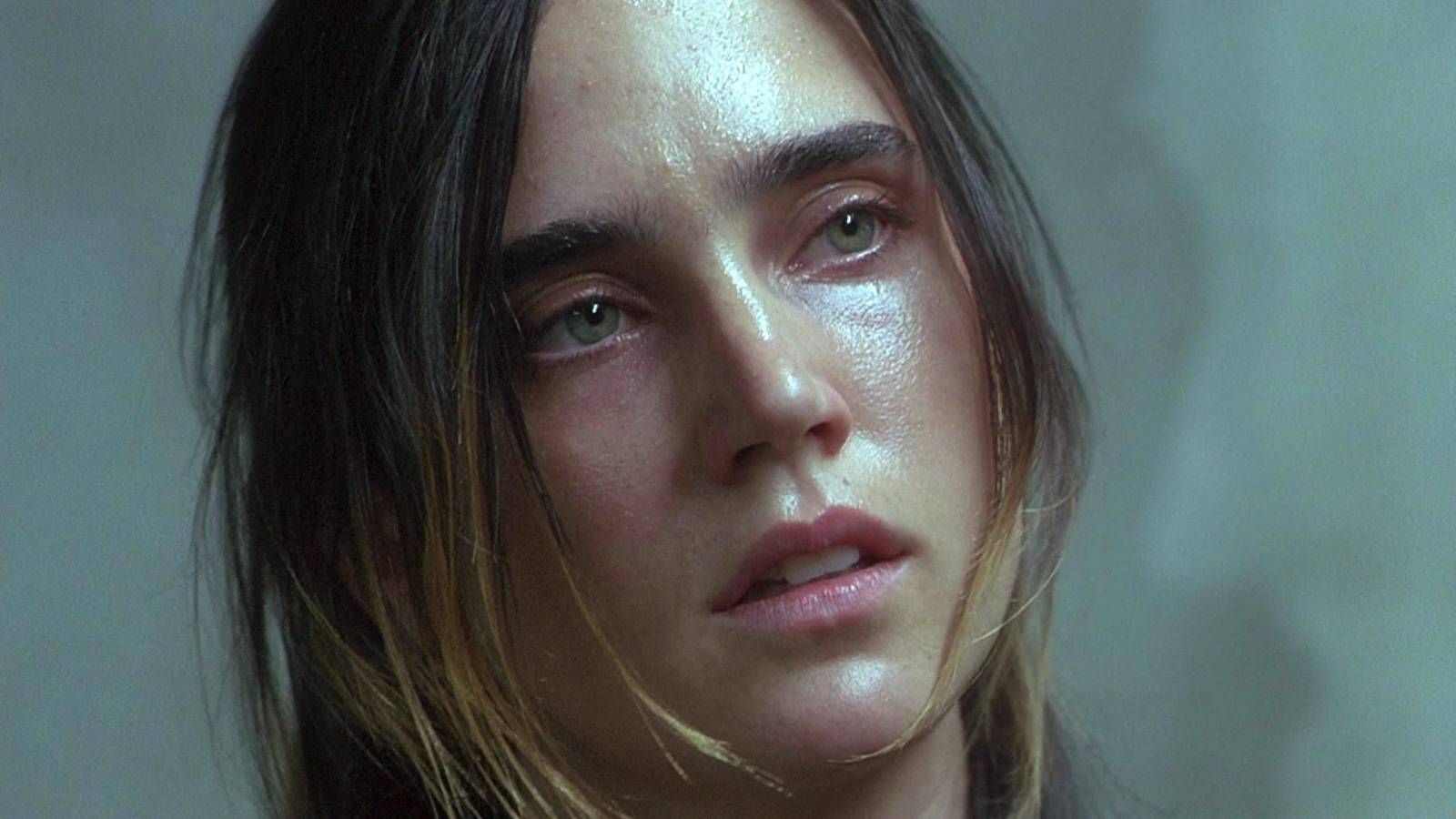
Some movies are designed to lift you up, to make you believe in the goodness of people or the possibility of a happy ending. And then there are the ones that do the exact opposite—films that stare into the abyss and refuse to look away. These are the most hopeless movies of the 21st century, a collection of stories that explore grief, addiction, cruelty, and the terrifying idea that some situations are simply beyond repair.
Whether set against the backdrop of a dying planet or focused on ordinary people watching their worlds collapse, these films aren't interested in offering comfort. They're often hard to watch, but they leave an unforgettable mark. So, if you're in the mood for something uplifting, you might want to look away. But if you're ready to confront the darker side of human existence, here are the 10 most hopeless movies of the 21st century, ranked.
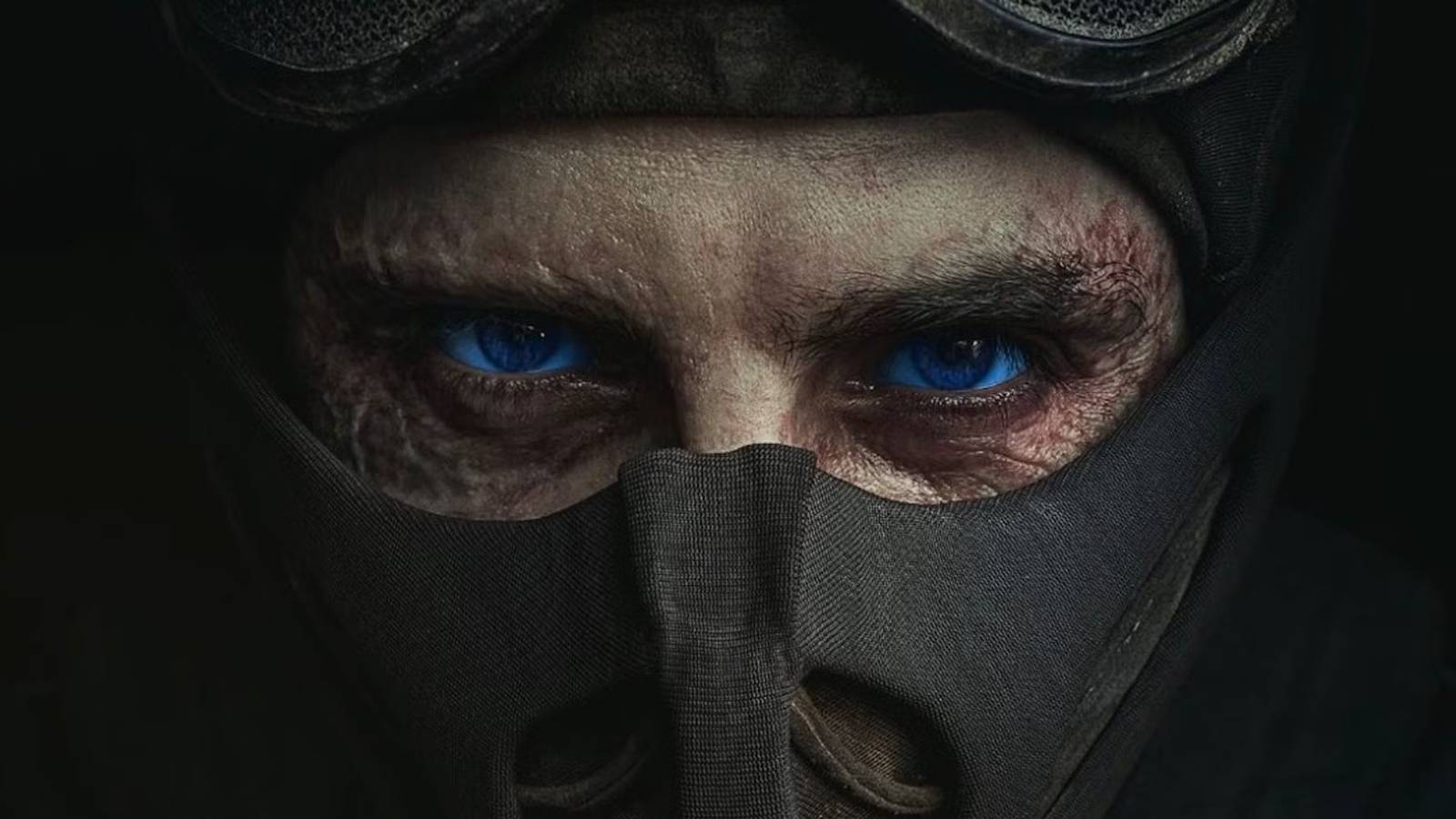
10. 'Aniara' (2018)
In a dystopian future where Earth is no longer habitable, a group of passengers boards a luxury spaceship for a routine trip to Mars. But when the ship collides with space debris and is knocked permanently off course, they're left drifting into the vast unknown, with no way to correct their trajectory. As the years pass, the passengers are forced to confront the terrifying possibility that they may never reach their destination.
Aniara is a chilling meditation on mortality, denial, and the human need to believe there's something waiting at the end of the journey. The survivors initially cling to distractions, relationships, and artificial comforts, but these gradually lose their meaning as the reality of their situation sets in. By the time the final moments arrive, the film has made the sheer indifference of the universe feel almost unbearable.
9. 'Synecdoche, New York' (2008)
After receiving a prestigious grant, theater director Caden Cotard (Philip Seymour Hoffman) begins an ambitious stage production that recreates an entire city inside a warehouse. But as the project grows increasingly elaborate, the boundary between production and reality begins to blur, and Caden becomes consumed by his own existential anxieties and relationships.
Few films capture the exhausting weight of simply being alive quite like Synecdoche, New York. Its surreal structure reflects Caden's inability to make sense of his existence, as time slips away and his grand artistic undertaking becomes a futile attempt to understand himself, those around him, and mortality itself. It's funny in places, but beneath the absurdity lies an overwhelming sadness, making this a stellar directorial debut by the visionary Charlie Kaufman.
8. 'No Country for Old Men' (2007)
When hunter Llewelyn Moss (Josh Brolin) stumbles upon the aftermath of a drug deal gone wrong, he makes the fateful decision to take a case filled with millions of dollars. That puts him in the crosshairs of Anton Chigurh (Javier Bardem), a ruthless hitman who will stop at nothing to retrieve the money. As Sheriff Ed Tom Bell (Tommy Lee Jones) tries to track them both down, he finds himself confronting a level of violence and cruelty that seems beyond his understanding.
The Coen brothers' adaptation of No Country for Old Men is a masterclass in tension, but its bleakness comes from something more unsettling than its brutal violence. Chigurh feels less like a conventional villain than an unstoppable force of chaos, while Bell's growing disillusionment reflects a world that no longer seems to operate by any moral code he recognizes. There are no easy victories or comforting explanations here, just people trying to make sense of a cruel and indifferent world.
7. 'The Road' (2009)
With civilization collapsed and most survivors reduced to desperate scavengers, an unnamed father (Viggo Mortensen) and his young son (Kodi Smit-McPhee) travel in search of warmer weather and a semblance of safety. Their journey is a constant struggle as they scramble for food, avoid hostile strangers, and hold on to the small sense of humanity that separates them from the surrounding horrors.
What makes The Road so crushing is that its bleak world is never just a backdrop for survival thrills. The father's determination to protect his son is deeply moving, but it also comes with the terrible knowledge that he may not be able to keep him safe forever. Their bond offers the film its only real source of warmth, making every encounter with the cruelty of the outside world feel that much more devastating. It's a story about love enduring in the worst possible circumstances, but one that never pretends love is enough to fix everything.
6. 'The Turin Horse' (2011)
Béla Tarr's The Turin Horse begins with a mysterious incident involving a famous philosopher, who is said to have broken down after witnessing a horse being beaten in the street. From there, the film follows the horse's owner, Ohlsdorfer (János Derzsi), and his daughter (Erika Bók) as they go about their daily lives on an isolated farm. But when the horse suddenly refuses to work, increasingly strange events suggest that even the natural order is collapsing.
This Hungarian masterpiece is a slow, hypnotic descent into despair. The film's stark black-and-white imagery and repetitive routines mirror the characters' dwindling hope, as the world outside their farm seems to be fading into nothing. It's a profound meditation on the end of things, and it leaves you with a sense of emptiness that's hard to shake.
5. 'Melancholia' (2011)
Lars von Trier's Melancholia is a film about the end of the world, but it's not a typical disaster movie. It's a psychological drama that follows two sisters, Justine (Kirsten Dunst) and Claire (Charlotte Gainsbourg), as they cope with the impending collision of a rogue planet with Earth. While Claire is consumed by fear and anxiety, Justine, who suffers from depression, becomes eerily calm as the end approaches.
The film's bleakness lies in its portrayal of depression as a kind of clarity—a recognition that everything is meaningless in the face of annihilation. The final act, as the planet looms ever closer, is a masterclass in dread, and the film's conclusion offers no hope, only the quiet acceptance of the inevitable. It's a devastating exploration of mental illness and the human condition.
4. 'Requiem for a Dream' (2000)
Darren Aronofsky's Requiem for a Dream is a harrowing look at addiction and its devastating consequences. The film follows four characters—Harry (Jared Leto), Marion (Jennifer Connelly), Tyrone (Marlon Wayans), and Harry's mother Sara (Ellen Burstyn)—as their lives spiral out of control due to drug use and obsession. Each one's descent is portrayed with unflinching intensity, and the film's famous montage sequences and haunting score only amplify the sense of doom.
What makes Requiem for a Dream so hopeless is that there is no redemption, no recovery, no light at the end of the tunnel. The characters' dreams are shattered, and the film ends with a series of devastating images that leave you feeling hollow. It's a powerful warning about the dangers of addiction, but it offers no comfort—only the stark reality of what happens when hope is lost.
3. 'Manchester by the Sea' (2016)
Kenneth Lonergan's Manchester by the Sea is a devastating portrait of grief and guilt. Lee Chandler (Casey Affleck) is a handyman living a solitary life in Boston when he learns that his brother has died, leaving him as the guardian of his teenage nephew Patrick (Lucas Hedges). Forced to return to his hometown, Lee is confronted with the tragic past that drove him away—a past that includes a terrible accident for which he blames himself.
The film is a masterclass in understated emotion, with Affleck delivering a career-best performance. What makes it so hopeless is that Lee's grief is not something that can be healed or overcome. He's a man who has lost everything, and the film refuses to offer him a path to redemption. The ending is not happy, but it's honest—a recognition that some wounds never fully heal.
2. 'Dancer in the Dark' (2000)
Lars von Trier's Dancer in the Dark is a musical tragedy that follows Selma (Björk), a Czech immigrant living in the United States in the 1960s. She works in a factory and is saving money for an operation to prevent her son from going blind, a condition she inherited. But when her savings are stolen, Selma's life takes a tragic turn that leads to a devastating conclusion.
The film's use of musical numbers as a form of escapism from the harsh reality of Selma's life makes the tragedy even more heartbreaking. Björk's raw performance and the film's unflinching portrayal of injustice and sacrifice make it one of the most emotionally draining films ever made. The ending is brutal and offers no hope, leaving you with a sense of profound sadness.
1. 'The Mist' (2007)
Frank Darabont's The Mist is a horror film that goes beyond the typical monster movie. When a mysterious mist envelops a small town, a group of people take refuge in a supermarket, where they must contend with both the creatures lurking outside and the growing paranoia and fanaticism inside. The film builds to a climax that is widely considered one of the most shocking and hopeless endings in cinema history.
Without giving away the ending, it's safe to say that The Mist offers no hope whatsoever. The protagonist's final decision, made in a moment of utter despair, is a gut-punch that stays with you long after the credits roll. It's a film that asks a terrifying question: what would you do when all hope is lost? And it answers it in the most devastating way possible.
These films are not for the faint of heart. They're difficult, challenging, and often leave you feeling drained. But they're also powerful works of art that explore the darkest corners of the human experience. If you're looking for a movie that will make you think, feel, and maybe even cry, these are the ones to watch. Just be prepared for a journey with no happy ending.