For years, the recipe for a successful Star Wars game seemed set in stone: grab a lightsaber, master the Force, and save the galaxy as a Jedi. Titles like Jedi: Fallen Order and Jedi: Survivor delivered exactly that, earning praise for their cinematic action. But 2026 has flipped the script. Two new releases—Star Wars Zero Company and Star Wars: Galactic Racer—have not only matched but surpassed those beloved adventures on Metacritic, and neither one features a Force-sensitive hero.
Released in August, Zero Company (co-developed by Bit Reactor and Respawn) scored an 86, while Galactic Racer (from Fuse Games) hit an 88 this month—the highest rating for a Star Wars game since Knights of the Old Republic in 2003. The kicker? Both are debut efforts from brand-new studios, and both lean into genres the franchise has rarely touched: tactical strategy and arcade racing.

Reviving Dead Genres in a Galaxy Far, Far Away
What makes these games so special is how they resurrect dormant franchises. Bit Reactor was founded by veterans of the modern XCOM series, while Fuse Games was built by former Criterion developers who worked on Burnout. Instead of forcing these teams to make another action-adventure, Lucasfilm Games let them do what they do best—and the results speak for themselves.
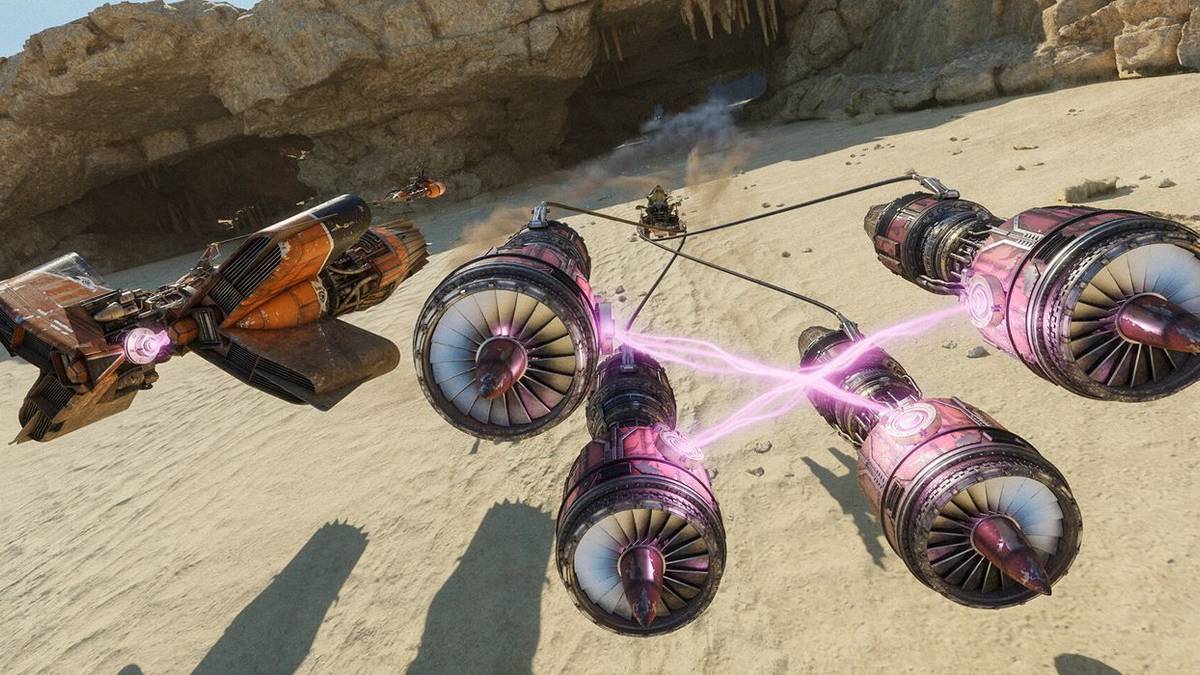
Zero Company brings the tactical, permadeath-heavy gameplay of XCOM to the Clone Wars, focusing on a mercenary squad where every loss feels permanent. Galactic Racer, meanwhile, channels the high-speed, crash-heavy thrills of Burnout into the lawless Outer Rim, where underground racing is a way of life. Both games prove that the Star Wars universe can thrive in genres beyond the usual action-adventure and FPS templates.
This isn't just a case of slapping a Star Wars skin on existing mechanics. The settings are a perfect match: Zero Company's gritty, costly warfare feels like a natural extension of the Clone Wars, while Galactic Racer's seedy underbelly is tailor-made for high-octane competition. The result is two games that feel both fresh and authentically Star Wars.
Standing Among Legends
An 88 and an 86 are remarkable scores for any franchise, but for Star Wars, they're historic. Only four games in the series' history have ever scored higher: Knights of the Old Republic (94), Jedi Knight: Dark Forces II (91), Rogue Squadron II: Rogue Leader (90), and Jedi Knight II: Jedi Outcast (89). Galactic Racer now sits just one point behind that legendary company, while Zero Company ties Knights of the Old Republic II at 86.
For two debut studios to land in that conversation is extraordinary. It also signals a shift in how Lucasfilm Games is approaching the franchise. After a decade of EA exclusivity that focused heavily on Jedi-centric action, the decision to open the door to other genres is paying off. As Galactic Racer's availability on Luna shows, these games are reaching audiences in new ways.
The success of Zero Company and Galactic Racer doesn't mean Jedi games are obsolete—Jedi: Survivor remains a standout, and future installments will likely continue to shine. But these two titles prove that Star Wars is vast enough to support stories that don't revolve around lightsabers or Skywalkers. As Lucasfilm Games continues to experiment, fans can look forward to even more genre-bending adventures. For those who love underrated sci-fi games, this is a golden era.
Whether you're a tactics fan or a speed demon, 2026 has delivered two of the best Star Wars games in decades—and neither needed the Force to do it.