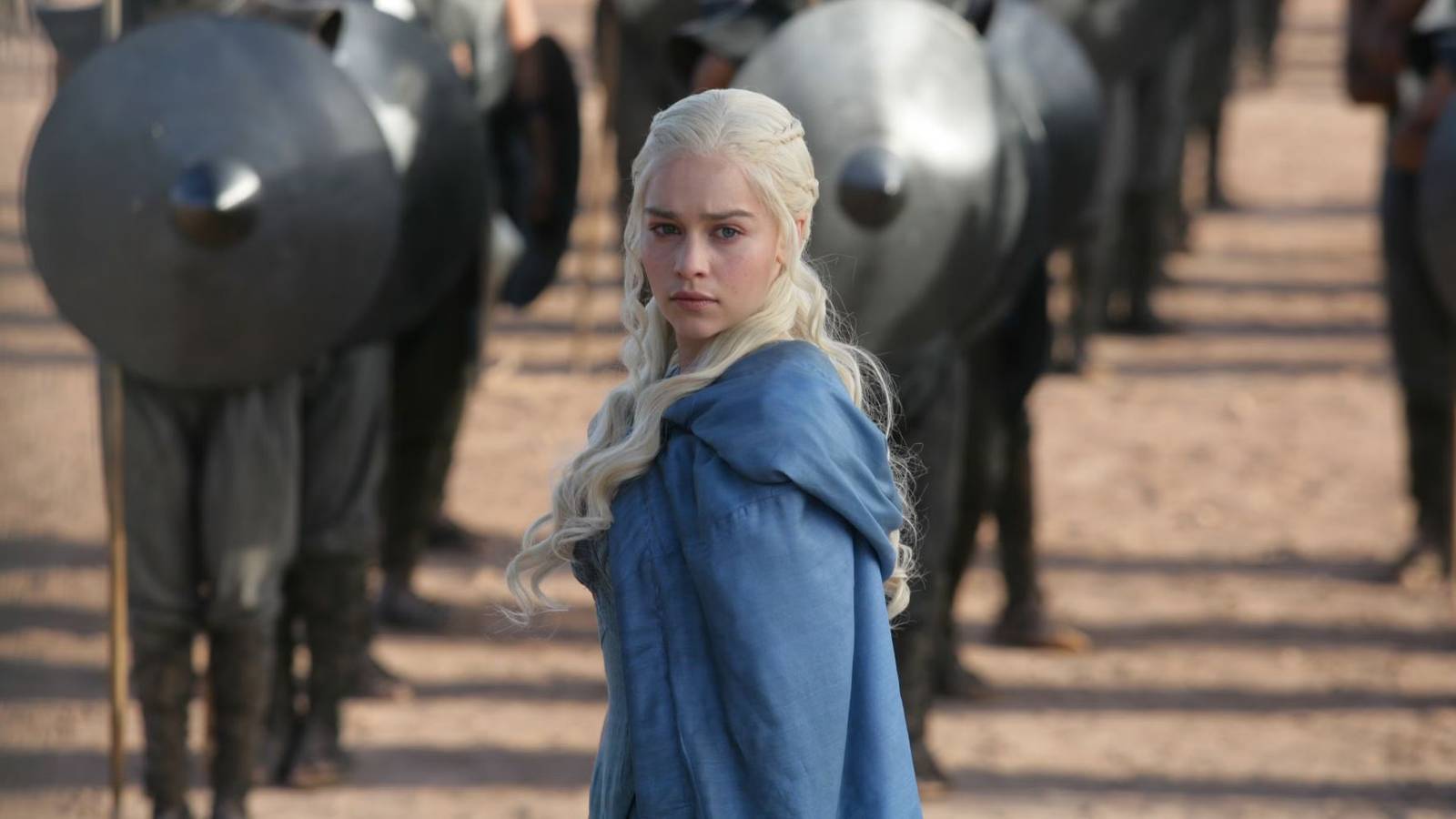
When Game of Thrones ended its eight-season run in 2019, it left a dragon-sized hole in the television landscape. The HBO epic didn't just dominate ratings—it rewrote the rules of what a fantasy series could be, blending political intrigue, brutal violence, and sprawling world-building into a cultural phenomenon. Naturally, every network and streaming service wanted a piece of that Iron Throne magic.
Over the past decade, we've seen everything from direct prequels to ambitious adaptations of beloved book series, all hoping to capture the same lightning in a bottle. Some came close. Others crashed and burned. Here are 10 shows that tried to be the next Game of Thrones—and whether they succeeded.
1. A Knight of the Seven Kingdoms (2026–Present)
HBO's latest trip to Westeros takes a radically different approach. Based on George R.R. Martin's Tales of Dunk and Egg, this prequel follows Ser Duncan the Tall, a humble hedge knight, and his squire Egg—secretly Prince Aegon Targaryen—as they wander the realm 90 years before the original series. Instead of epic battles and dragon fire, A Knight of the Seven Kingdoms offers a grounded, intimate story about honor and friendship. It's a lighter, charming detour that proves Westeros can thrive without constant bloodshed.
2. His Dark Materials (2019–2022)
Philip Pullman's trilogy finally got the adaptation it deserved in this BBC/HBO co-production. Dafne Keen stars as Lyra Belacqua, an orphan in a world where human souls manifest as animal companions called daemons. The series tackled big themes—growing up, loss, and the nature of consciousness—with stunning visuals and a stellar cast including Ruth Wilson and James McAvoy. While it never reached Thrones-level mainstream popularity, it delivered a satisfying ending, something the original series famously failed to do.
3. House of the Dragon (2022–Present)
The most obvious successor, this direct prequel chronicles the Targaryen civil war known as the Dance of the Dragons. Set 200 years before Game of Thrones, it brings back the political scheming, dragon battles, and family betrayals fans craved. With Emma D'Arcy's Rhaenyra and Paddy Considine's King Viserys, the series has earned its place as a worthy heir—even if it sometimes feels like a greatest hits remix. For those who missed the high-stakes power struggles of Westeros, House of the Dragon delivers exactly what you want.
4. The Wheel of Time (2021–Present)
Amazon's adaptation of Robert Jordan's massive fantasy series had the budget and ambition to rival Thrones. Rosamund Pike leads a sprawling cast in a world of magic, prophecy, and ancient evil. While the first season struggled with pacing and fan expectations, the show has found its footing in later episodes, proving that even the most complex source material can be tamed with patience.
5. The Witcher (2019–Present)
Henry Cavill's Geralt of Rivia became an instant icon, and Netflix's monster-of-the-week format mixed with a larger political conspiracy felt like a fresh take on fantasy. The show's nonlinear storytelling and rich lore drew comparisons to Thrones, but behind-the-scenes drama and Cavill's departure have left its future uncertain. Still, at its peak, The Witcher was the closest any non-Martin property came to capturing that cultural lightning.
6. Shadow and Bone (2021–2023)
Netflix's Grishaverse adaptation blended Leigh Bardugo's two series into one cohesive story, following a young mapmaker who discovers she can summon sunlight. With its magic system, warring nations, and charismatic anti-heroes, it had all the ingredients for a Thrones-style hit. Unfortunately, the show was canceled after two seasons, leaving fans hanging—a fate all too familiar in the post-Thrones era.
7. Foundation (2021–Present)
Apple TV+'s adaptation of Isaac Asimov's sci-fi epic takes a different approach: instead of swords and dragons, it offers galactic empires, psychohistory, and a cloned emperor. The show's scale is immense, and its visual effects are breathtaking. But its cerebral tone and time jumps make it a harder sell for viewers craving the visceral drama of Thrones. It's ambitious, but not quite the same beast.
8. The Last Kingdom (2015–2022)
Before Thrones ended, this historical drama was already carving its own niche. Set in 9th-century England, it follows Uhtred of Bebbanburg as he navigates the clash between Saxons and Danes. While it lacks dragons and magic, its gritty realism, complex characters, and brutal battles earned it a devoted fanbase. It's proof that you don't need fantasy to capture the Thrones spirit.
9. See (2019–2022)
Apple TV+'s post-apocalyptic drama starring Jason Momoa imagined a world where humanity has lost its sight. The show's unique premise and stunning action sequences drew early comparisons to Thrones, but its uneven writing and slow pacing kept it from reaching the same heights. Still, it's a fascinating experiment in world-building.
10. Rings of Power (2022–Present)
Amazon's billion-dollar gamble on J.R.R. Tolkien's Second Age is the most expensive TV show ever made. With its epic scope, multiple storylines, and deep lore, it's the closest any series has come to matching Thrones' scale. But divisive storytelling and fan backlash have kept it from achieving the same cultural dominance. It's a beautiful, sprawling epic—but the Iron Throne remains unclaimed.
For more on how fantasy series are evolving beyond Westeros, check out our analysis of 5 fantasy series that master storytelling where Game of Thrones stumbled. And if you're curious about Martin's latest projects, read about the upcoming Aegon's Conquest movie heading to theaters.