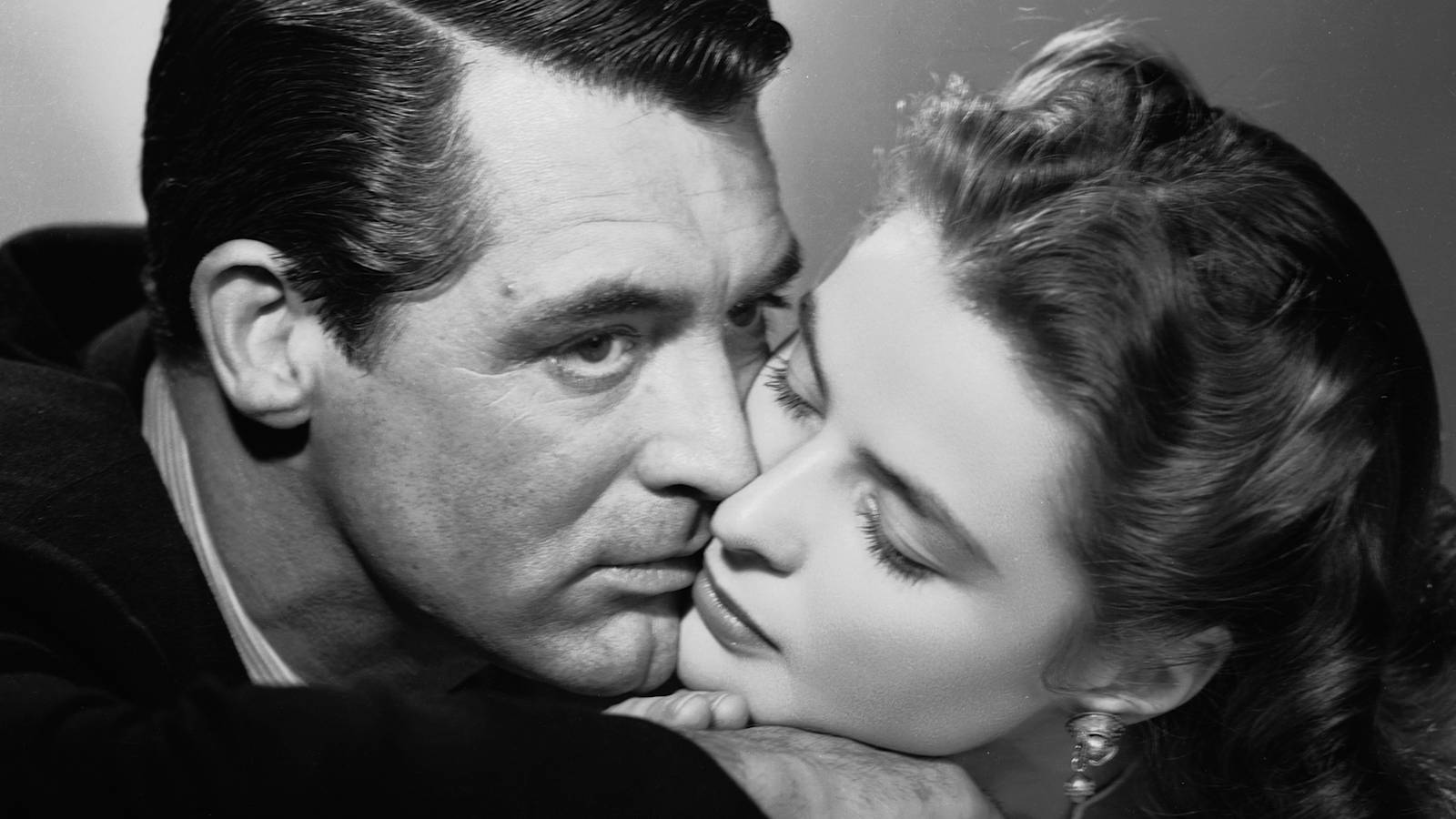
There was a period when Alfred Hitchcock seemed incapable of making a film that only worked in pieces. His movies had a rare kind of control: the opening already had a pulse, the middle kept finding new ways to tighten the problem, and the tension never flattened into a simple setup-payoff structure. A stranger walks in. A murder interrupts ordinary life. Someone sees too much, knows too little, or trusts the wrong person. From there, the pressure keeps changing shape, but it never disappears.
That is what separates these 10 Hitchcock movies from the rest of his filmography. These stay gripping all the way through. They keep moving, keep complicating, and keep the audience locked in from the first stretch to the last.

10. 'The 39 Steps' (1935)
The 39 Steps understands almost instantly how much fun can come from throwing an ordinary man into escalating absurd danger and never letting him settle. The film follows Richard Hannay (Robert Donat), who barely has time to process Annabella Smith (Lucie Mannheim) turning up in his apartment before it moves into murder, flight, misidentification, and an epic early innocent-man chase.
The best part? The momentum that builds from there is never one-note. The texture of the danger keeps changing. A political speech becomes cover. A farm becomes a trap. A train becomes escape and exposure at once. The handcuff material with Pamela (Madeleine Carroll) keeps turning irritation, attraction, and survival into the same scene. That is why the film still feels so alive. It keeps adjusting. It keeps finding new ways to be tense and playful at once. For a 1935 thriller, this film's movement almost feels unreal.
9. 'Shadow of a Doubt' (1943)
Shadow of a Doubt takes the most ordinary American space imaginable—family dinners, front porches, small-town routines—and poisons it scene by scene until even the warm moments feel contaminated. That is exactly why it was so relatable and pulled in roughly double its production budget of $1.5 million at the box office (~$3 million).
The film follows Uncle Charlie (Joseph Cotten)—hands down one of the smartest monsters in these movies. He is charming, glamorous, and the exciting relative who makes the house feel larger. That is exactly why young Charlie (Teresa Wright) starting to study him more closely becomes so upsetting. The dinner table conversations matter. The ring matters. His contempt for widows matters. The speech about fat, wheezing animals is so ugly, it tears away the last polite layer. Suspicion keeps deepening the same rooms and relationships. And the film keeps staining everything around it. That's the hook and it's brilliant.
8. 'The Lady Vanishes' (1938)
The opening stretch of The Lady Vanishes is almost rude in how lightly it plays things. A crowded inn, social irritations, cricket-obsessed Englishmen, Iris Henderson (Margaret Lockwood) being more inconvenienced than endangered. Then Miss Froy (May Whitty) disappears, and before you know it, you're hooked. It pulls you in like a whodunnit with undertones of espionage.
That is essentially how the movie really comes alive. A mystery on a train needs shifting loyalties more than elaborate mechanics, and the film knows it. Everybody becomes a possible liar, coward, accomplice, or fool. Gilbert (Michael Redgrave) starts as a nuisance and becomes essential without the shift ever feeling forced. The "did she exist or not?" angle works, and social pressure does most of the heavy lifting. These people do not want trouble. They want the journey to continue. They want the easy explanation. That makes Iris's insistence more isolating and more compelling. Then you get all of it at once—suspense, comedy, and action—without feeling like a different movie has taken over.
7. 'Dial M for Murder' (1954)
A lesser film would have let Dial M for Murder turn stagey in the worst way. Instead, thanks to Hitchcock, the confinement becomes the advantage. That apartment gets more dangerous the longer it is watched. The door, the desk, the key, the telephone, the layout itself—everything turns into part of the mechanism.
Tony Wendice (Ray Milland) is crucial. He is neat, controlled, smug, always thinking one move ahead, which makes the cruelty feel domestic rather than melodramatic. Margot (Grace Kelly) gives the story its vulnerability, while Mark Halliday (Robert Cummings) and Chief Inspector Hubbard (John Williams) keep it from closing up too tightly. The real pleasure is in the pressure extracted from tiny physical details. The murder attempt is brilliant—both carefully planned and terrifyingly messy. Then the film keeps finding new life in the cover-up, the framing, and the investigation. That is what puts it here: a structure that keeps squeezing tension out of every object in the room.
6. 'Vertigo' (1958)
Vertigo belongs on a list like this because it never stops tightening its hold. Even the stretches people call slow are doing active work. As Scottie Ferguson (James Stewart) investigates Madeleine (Kim Novak), he gets pulled into a pattern of looking, following, and wanting that grows more disturbing each time it repeats.
The restaurant, the flower shop, the museum, the bay—each stop makes Scottie's attention feel less romantic and more consuming. Then the film takes that huge structural turn and does not lose momentum. The pressure simply changes shape. It's a masterclass in psychological suspense that keeps you guessing until the very end.
For more classic film rankings, check out The Most Perfect Marilyn Monroe Movies, Ranked: 6 Timeless Classics and Robert Redford's Neo-Western 'An Unfinished Life' Finds New Life on Paramount+.